A complete guide to planning how many days to spend in Uzbekistan and which cities to visit along the Silk Road. Learn the best routes across Tashkent, Samarkand, Bukhara, and Khiva.
For a classic Silk Road journey through Uzbekistan, plan for 7 to 10 days to explore the core cities of Tashkent, Samarkand, and Bukhara. If you want to include the remote oasis of Khiva or venture into desert canyons and mountain ridges, a 12 to 14-day itinerary allows you to travel at a steady pace without rushing. First-time visitors should focus on the central transport corridor connecting the capital to the historic architectural hubs.
How Many Days Do You Need in Uzbekistan?
Seven days is the practical minimum for Uzbekistan. In one week, you can travel from Tashkent to Samarkand and Bukhara, relying on the fast rail network. This duration lets you visit the key monuments, madrasas, and trade domes.
Ten days offers a much more comfortable trip. With ten days, you can add Khiva in the west or take day trips out to Shakhrisabz across the mountain passes. It leaves time to browse bazaar stalls and sit by historic water basins without a packed schedule.
Two weeks opens up regional contrasts beyond the turquoise domes. With 14 days, you can branch out to the art collections in Nukus, petroglyphs in Nurata, or alpine valleys in the Chimgan range.
Where to Go: The Core Silk Road Route
Tashkent: The Modern Capital
Most international flights arrive in Tashkent. Spend one or two days here taking in broad avenues, leafy parks, and Soviet-era urban planning. Key sights include:
- Chorsu Bazaar, an active market under an expansive blue dome where vendors sell dried fruits, nuts, and flatbread.
- The ornate underground stations of the Tashkent Metro, built to double as civil shelters.
- Broad open civic spaces including Independence Square and the imposing facade of the Navoi Theatre.
Samarkand: The Imperial Monument
Samarkand is defined by the grand architectural scale of the Timurid era. Allocate at least two full days here to wander between massive tiled facades:
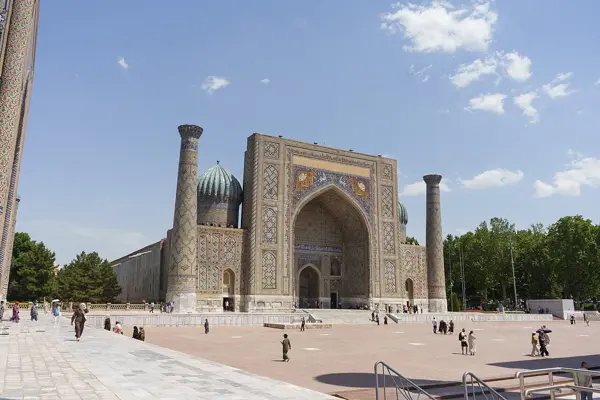
- Registan Square, the iconic complex framed by three monumental madrasas.
- Gur-e-Amir Mausoleum, the domed tomb of Timur and his descendants.
- The sprawling Bibi-Khanym Mosque, conceived as an imperial congregational hall.
- Shah-i-Zinda, an uphill avenue of ceramic-tiled mausoleums that display intricate majolica.
Bukhara: The Preserved Trading Oasis
Bukhara is more intimate and walkable than Samarkand, with narrow alleys connecting historic residential quarters and active trading domes. Plan for two to three days to see:
- The grand Po-i-Kalyan Complex and its 12th-century Kalyan Minaret.
- The massive mud-brick walls of the Ark Fortress, ancient seat of the Bukhara Emirate.
- Lyabi-Hauz, the communal square set around a tranquil stone pool.
- The brick patterns of the 10th-century Ismail Samani Mausoleum and the four towers of Chor Minor.
Khiva: The Desert Citadel
Located in western Uzbekistan, Khiva feels like an open-air museum. The walled inner town of Itchan Kala holds centuries of preserved earthen structures:
- The unfinished, turquoise-tiled stump of the Kalta Minor Minaret.
- The hypostyle hall of the Juma Mosque, supported by carved wooden columns.
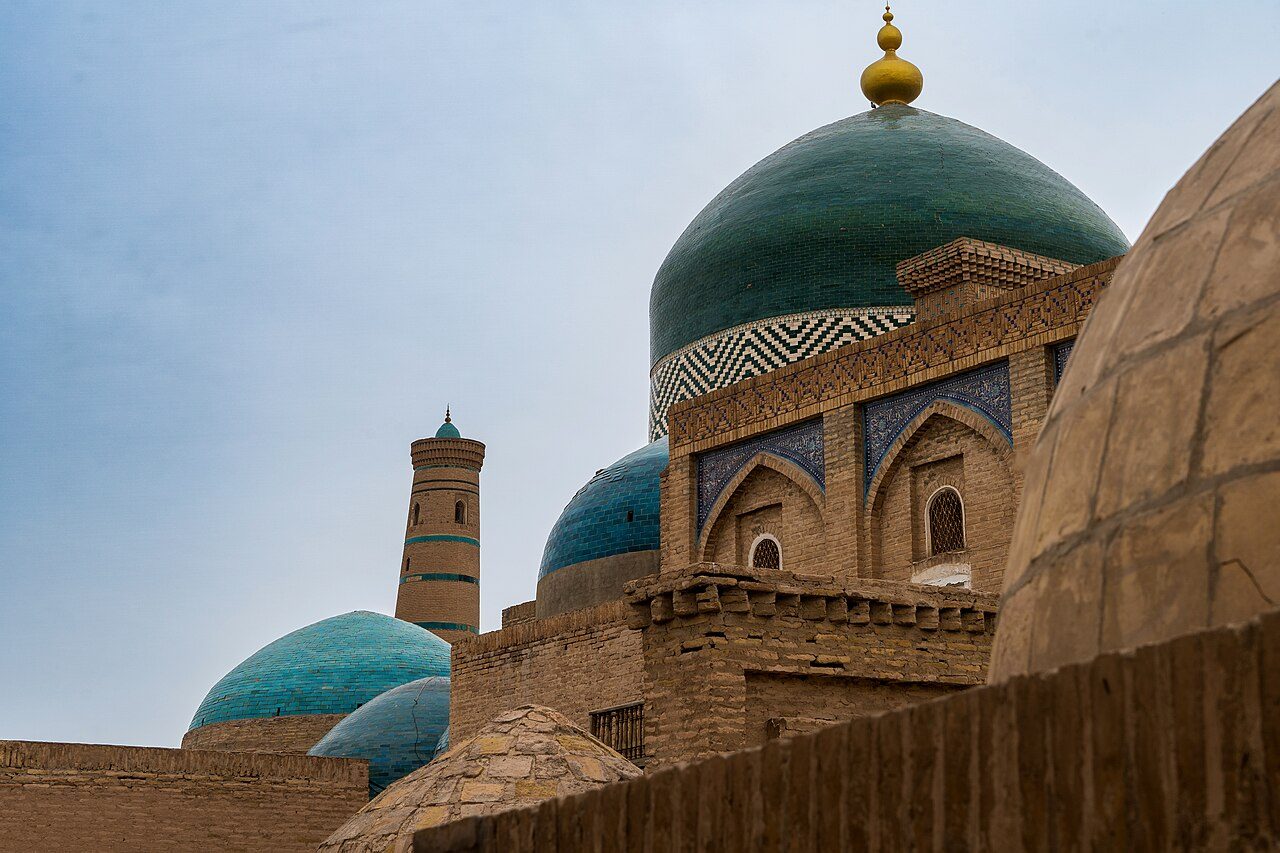
- The tranquil courtyard of the Pahlavon Mahmud Mausoleum.
Beyond the Classic Route: Nature and History
Travelers with more than ten days can easily customize their route with side trips. From Samarkand, head south into Shakhrisabz to view the colossal ruins of Timur's Ak-Saray Palace.
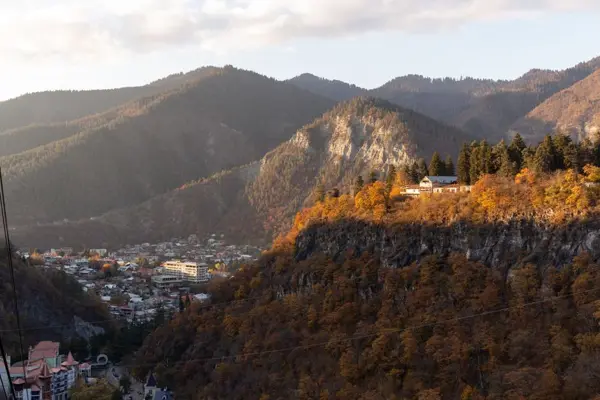
Nature lovers can head east from Tashkent to the western Tian Shan. The limestone peak of the Chimgan Mountains and the azure waters of the Charvak Reservoir provide a mountain retreat within day-trip distance of the capital.
Further west between the Kyzylkum Desert and ancient settlements, Nurata provides access to the Nuratau Mountains and the ancient rock art of Sarmishsay Gorge. For modern art in the desert, continue past Khiva to Nukus, home to the avant-garde works of the Savitsky Museum and the historic Mizdakhan Necropolis.
Sample 10-Day Uzbekistan Itinerary
This balanced 10-day route covers the four main Silk Road centers while limiting unnecessary back-and-forth travel:
- Day 1: Arrive in Tashkent. Walk through Independence Square and ride the Tashkent Metro to Chorsu Bazaar.
- Day 2: Morning train to Samarkand. Spend the afternoon exploring Gur-e-Amir and the Registan Square.
- Day 3: Full day in Samarkand. Visit Bibi-Khanym Mosque and walk through Shah-i-Zinda.
- Day 4: Morning transfer to Bukhara. Settle near Lyabi-Hauz and stroll the covered trading domes.
- Day 5: Full day in Bukhara. Explore the Po-i-Kalyan Complex, Ark Fortress, and Ismail Samani Mausoleum.
- Day 6: Second day in Bukhara. Visit Chor Minor and take a relaxed pace through the Jewish quarter.
- Day 7: Travel across the desert to Khiva by train or private road transfer.
- Day 8: Full day exploring Itchan Kala, including Kalta Minor Minaret and the Juma Mosque.
- Day 9: Fly or take an overnight train from Urgench/Khiva back to Tashkent. Visit the Navoi Theatre.
- Day 10: Final shopping in Tashkent and departure.
How to Get Around
Traveling between major destinations in Uzbekistan is straightforward. High-speed rail lines link Tashkent, Samarkand, and Bukhara, reducing journey times to just a few hours. For journeys to Khiva or remote locations like Shakhrisabz and Nurata, private drivers offer flexibility.
On Tour & Car, travelers can book private drivers, intercity transfers, and guided local tours directly to navigate desert routes or mountain roads smoothly. You can also organize day trips out into the Chimgan foothills without navigating regional bus stations.
Trip Costs and Accommodations
Daily expenses in Uzbekistan remain manageable compared to many travel destinations. Local transport and market meals are budget-friendly. Accommodation varies from family-run guesthouses inside historical centers to modern city hotels.
For lodging options on Tour & Car, stays are available from $65 per night. Booking your base early helps secure prime locations within walking distance of central monuments like Lyabi-Hauz or Itchan Kala.
Best Time to Visit
Uzbekistan experiences an arid continental climate with cold winters and very hot summer months.
- Spring (April to May): Warm, comfortable weather with blooming fruit trees across the oases. Ideal for walking around historic districts.
- Autumn (September to early November): Clear skies and pleasant daytime temperatures, making it the most popular time for Silk Road sightseeing.
- Summer (June to August): Temperatures regularly rise into intense desert heat. If visiting in summer, schedule monument visits for early morning and late afternoon.
- Winter (December to February): Cold weather with occasional snow dusting the turquoise domes. Public holidays include Constitution Day on 08 Dec 2026 and New Year's Day on 01 Jan 2027.