Savitsky Museum
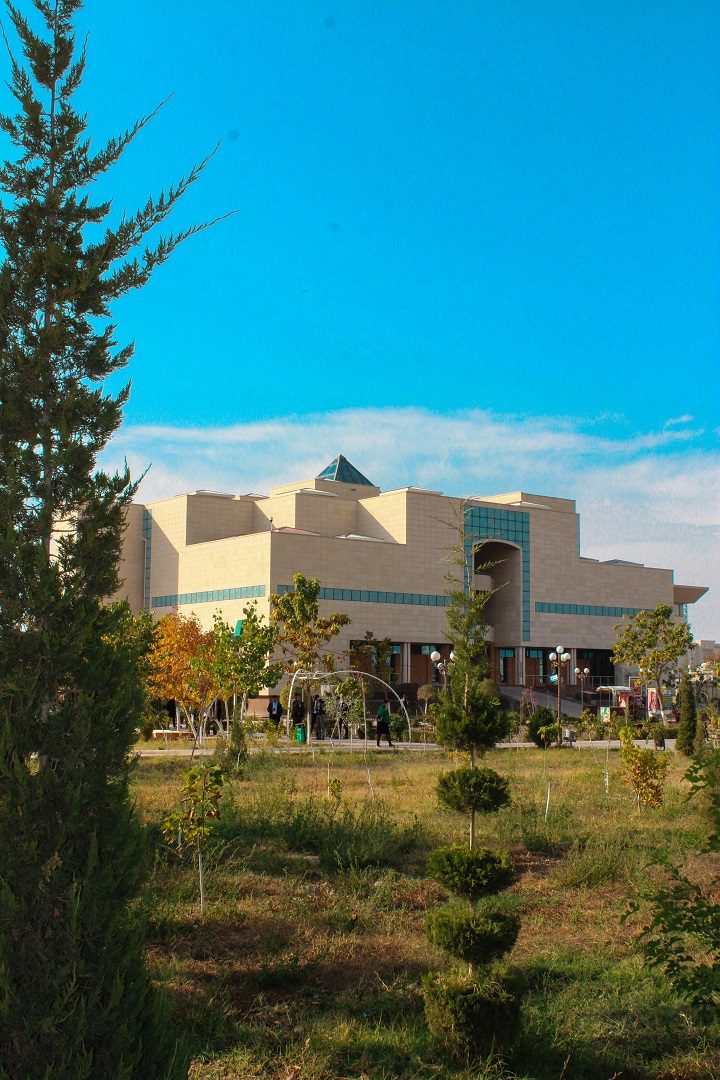
Rising out of the windswept sands of Karakalpakstan, this desert repository owes its existence to Igor Savitsky, a visionary artist who arrived during the 1950 Khorezm archaeological expedition. Defying the lethal censures of Socialist Realism, Savitsky spent decades covertly rescuing works condemned by the Kremlin as "bourgeois decadence." By the time the museum opened its doors in 1966, he had orchestrated one of history’s most audacious cultural rescues, assembling an extraordinary collection of over 80,000 banned Russian and Turkestan avant-garde canvases alongside rare Central Asian ethnographic treasures, hidden safely 1,000 miles from Moscow's apparatchiks. Inside the climate-controlled, sand-colored pavilions, visitors step from the harsh glare of the Kyzylkum Desert into a startlingly modern sanctum of color and form. The lower galleries showcase the tactile nomadic heritage of the Aral Sea basin: heavy silver pectoral ornaments inlaid with carnelian, vibrant yurt bands (*aq-baskur*), and indigo-dyed bridal gowns. Upstairs, the ambiance shifts dramatically toward radical modernist experimentation. Visitors stand face-to-face with the fragmented geometries and sun-drenched pigments of Alexander Volkov and Ural Tansykbaev, or freeze beneath the hypnotic gaze of Vladimir Lysenko’s *The Bull*—its crimson, unblinking eyes radiating visceral defiance from the canvas. The stillness of the galleries magnifies the sheer improbability of encountering such rebellious genius isolated in the Uzbek steppe.