
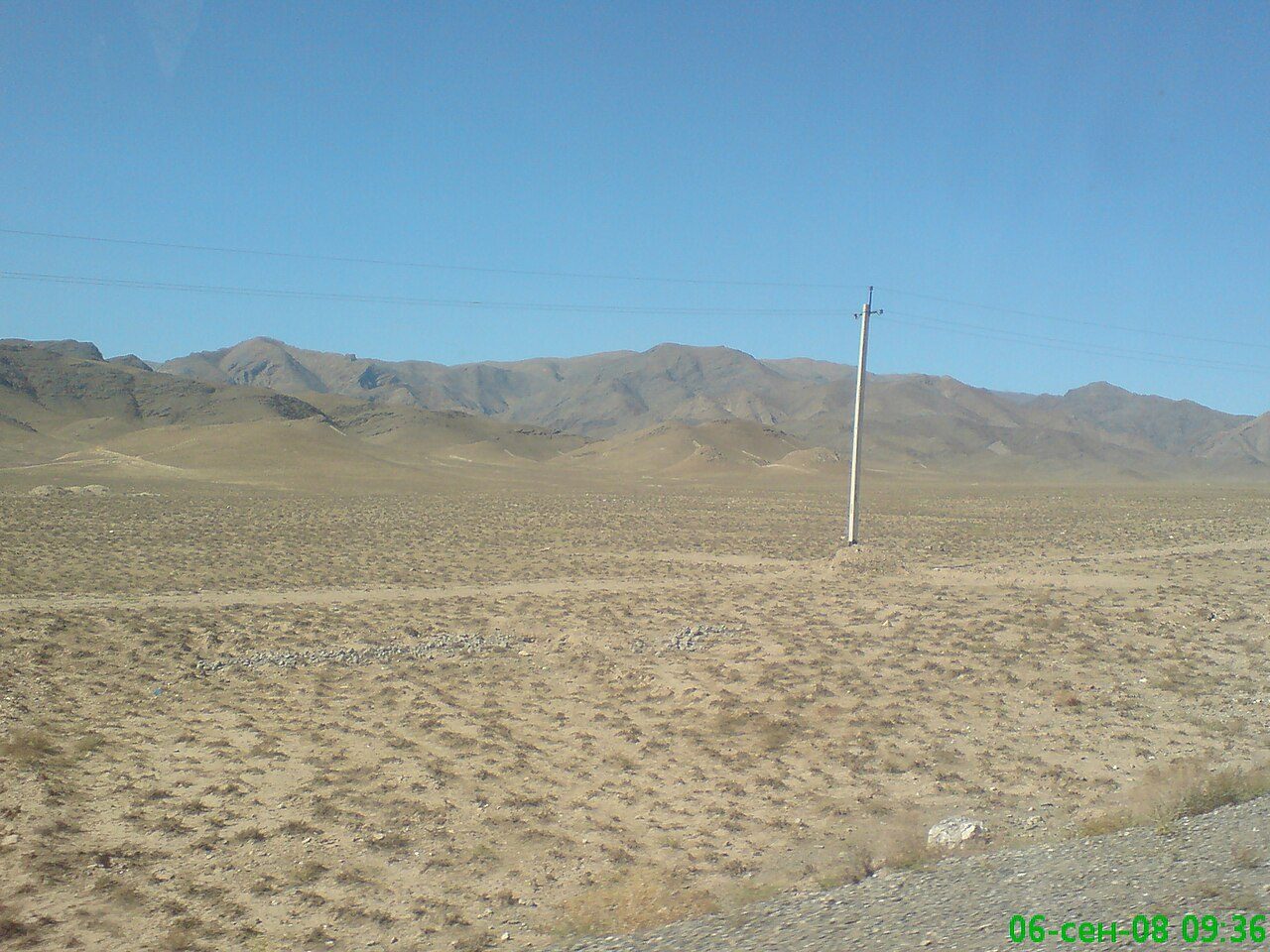
Nuratau Mountains
Rising like a rugged spine between the Kyzylkum Desert and the ancient oases of Sogdiana, the Nuratau Mountains bear the indelible imprint of empires and antiquity. In 327 BC, Alexander the Great recognized this strategic limestone-and-shale barrier, establishing the fortress of Nur at its southern threshold to secure his marches against northern steppe nomads. Deep within the range's folded ravines, such as the nearby Sarmyshsay Gorge, a prehistoric gallery of over 4,000 petroglyphs etched into polished black basalt records Bronze and Iron Age scenes of horned ibex, hunters, and enigmatic shamans. Tucked into these steep valleys, centuries-old Tajik-speaking villages like Sentob and Uhum showcase vernacular architecture, where flat-roofed houses crafted from local river stone and mud mortar step organically up the canyon walls beneath canopies of walnut and mulberry trees. Traversing the ridgelines, travelers encounter an abrupt transition from arid scrubland to sheltered microclimates alive with the scent of crushed wild thyme and mountain mint. Footpaths follow narrow streams fed by snowmelt springs, leading hikers past terraced pomegranate orchards and vertical scree slopes. In the protected crags of the Hayat sector, patient observers can catch glimpses of the endangered, spiral-horned Severtzov’s argali sheep grazing along sheer precipices. Reaching a high mountain pass reveals an immense geographic contrast: to the north, the turquoise waters of Lake Aydarkul shimmer across the salt flats, while below, smoke curls from outdoor clay *tandir* ovens, grounding this dramatic wilderness in deep-seated pastoral tradition.
More in Nurata
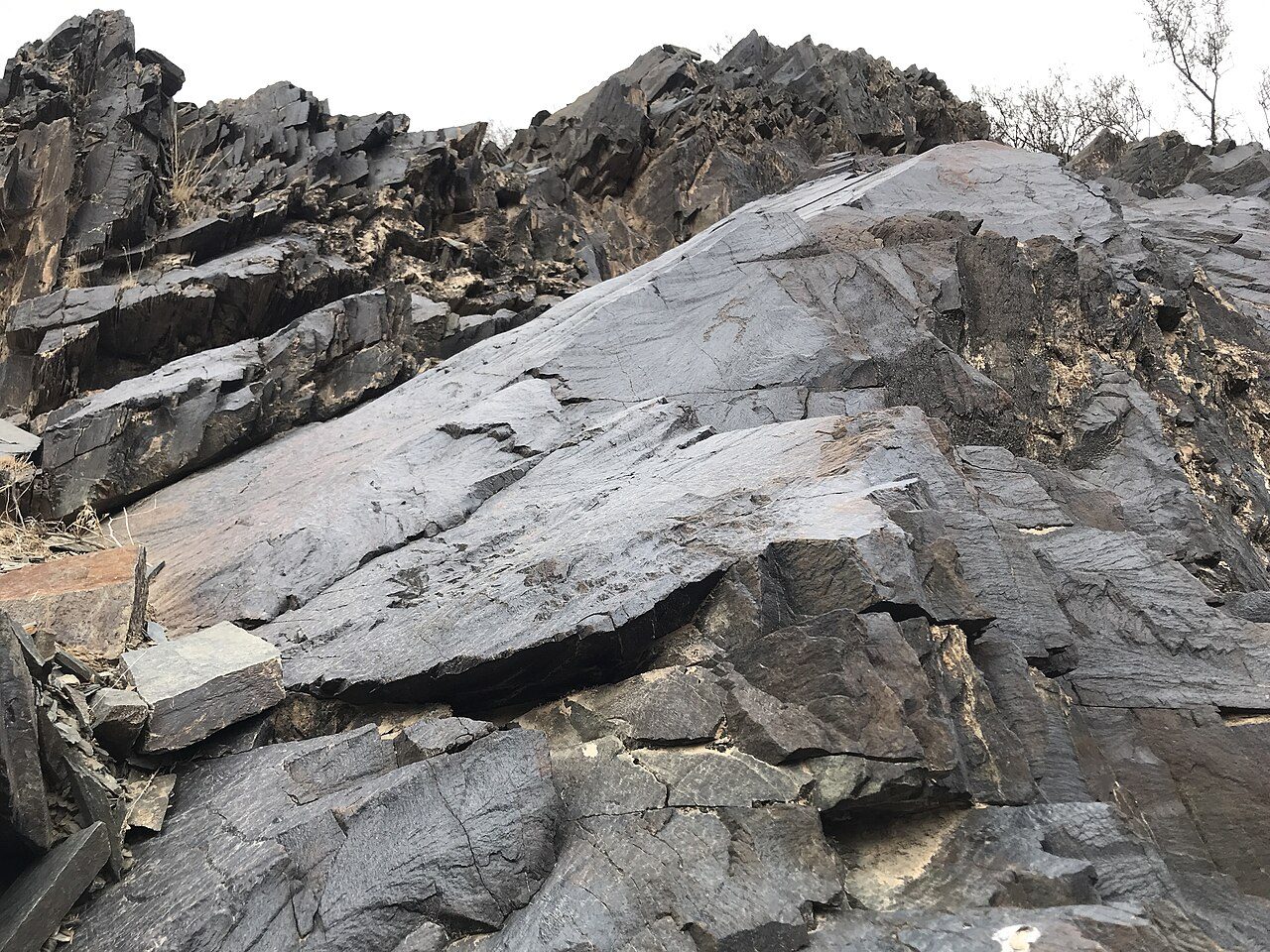
Photo credits (2)
- Carpodacus, CC BY-SA 3.0, via Wikimedia Commons
- Alpasli, CC BY-SA 4.0, via Wikimedia Commons