
Nurata
Nurata rests at the rocky threshold where the Nuratau Mountains meet the scrubby expanses of the Kyzylkum Desert in Navoiy Region. Walking its unhurried lanes feels like stepping into an ancient oasis shielded from the rush of modern Uzbekistan, shaded by walnut trees and mudbrick courtyard walls. Alexander the Great founded a military outpost here in 327 BC, known as Fortress Nur, whose weathered earthen ramparts still crest the jagged southern ridge above the houses. Below the ruined garrison lies the Chashma complex, a revered pilgrimage destination centered on a natural spring brimming with sacred, dark-scaled marinka fish that swim untouched. Next to the pool rise the sixteenth-century Chilustun Mosque, supported by forty carved timber pillars, and the domed Panjvakhta Mosque from the seventeenth century. In the surrounding fields, travelers can still trace the stone shafts of ancient kariz, underground irrigation channels engineered centuries ago to pull mountain groundwater into desert orchards. The morning pulse of the town centers on a small open-air bazaar where traders arrange mounds of dried apricots, walnut kernels, and tandir kabob roasted on skewers inside subterranean clay ovens. On Fridays, families gather by the holy waters to pray and drop breadcrumbs into the pool for good fortune. April, May, September, and October provide the most pleasant temperatures for exploring the ruins and hillside paths on foot. Nurata is compact enough to navigate entirely by walking, with shared taxis running regularly from the rail hub of Navoiy, thirty-five miles south.
Read more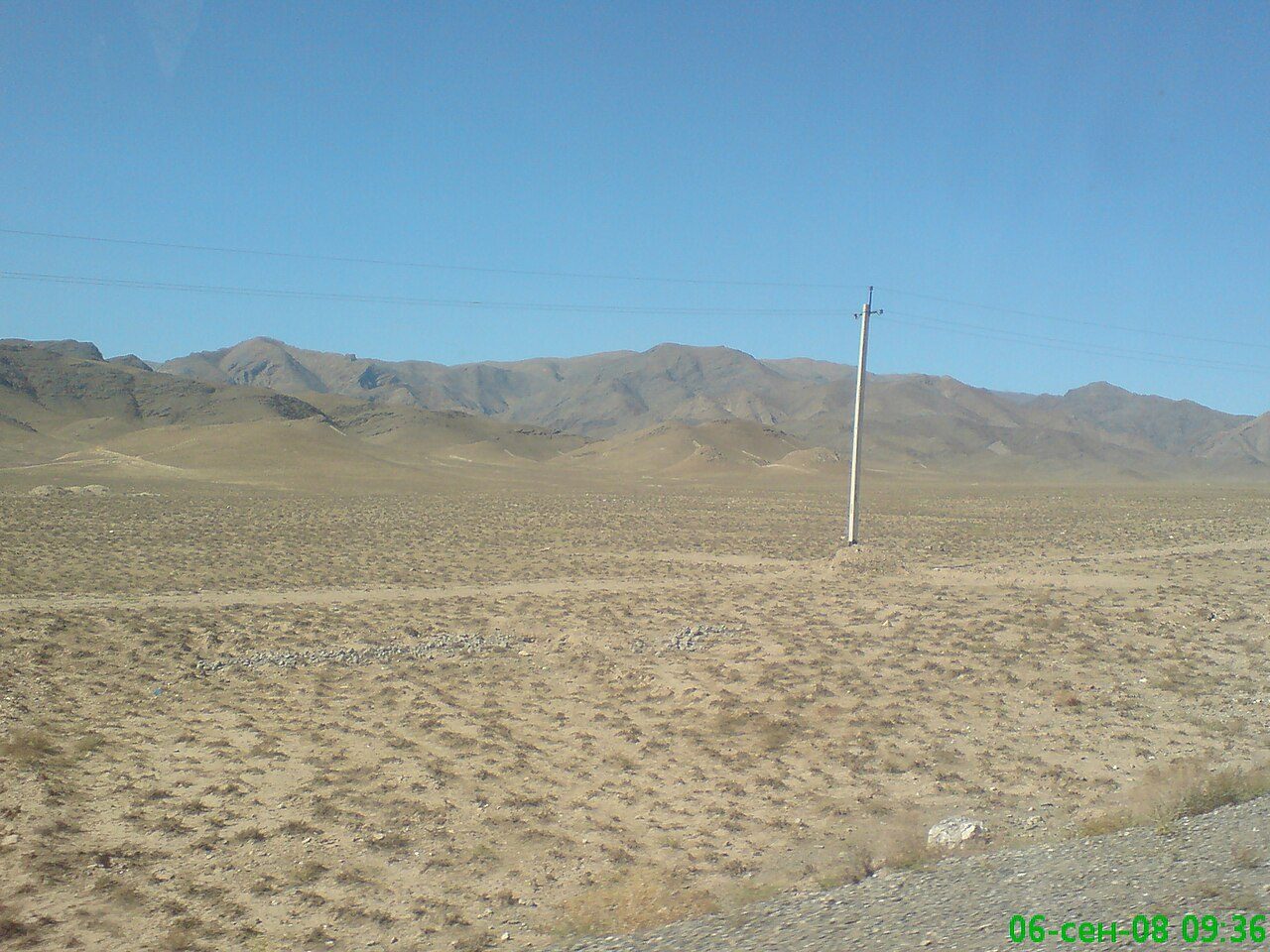
What to see in Nurata
Photo credits (2)
- Carpodacus, CC BY-SA 3.0, via Wikimedia Commons
- Alpasli, CC BY-SA 4.0, via Wikimedia Commons