
 New added
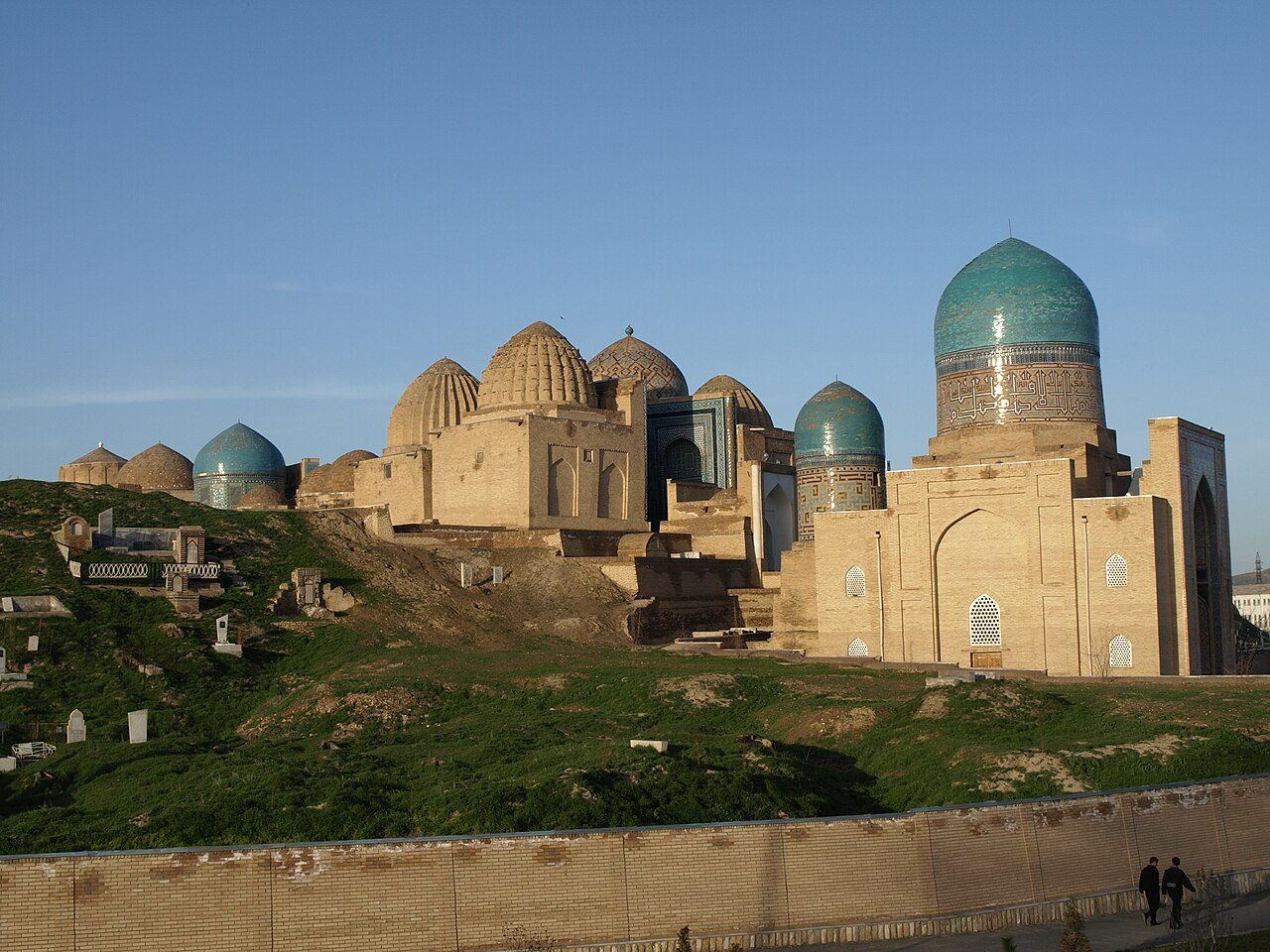
Shah-i-Zinda
Clambering up the ancient slopes of Afrasiyab on the northern edge of Samarkand, the Shah-i-Zinda necropolis centers upon the sacred 11th-century shrine of Kusam ibn Abbas—the "Living King" and cousin of Prophet Muhammad who introduced Islam to Sogdia. Over the 14th and 15th centuries, the conqueror Timur and his astronomer-grandson Ulugh Beg transformed this revered pilgrimage site into an imperial corridor of mausoleums. Master ceramicists and architects from across Persia, Azerbaijan, and Transoxiana were commissioned to build soaring resting places for Timur’s favorite generals, wives, and kin, turning the burial ground into the pinnacle of Timurid decorative arts. Visitors begin by ascending the thirty-six steep steps of the brick staircase before emerging into a narrow, open-air alleyway flanked by towering tomb facades. Ribbed, bulbous domes and vaulted iwans explode in shades of lapis lazuli, turquoise, and deep cobalt. Walking between tombs like the 1372 Mausoleum of Shadi Mulk Aga, travelers pass beneath intricate *muqarnas* stalactite vaults adorned with carved glazed terracotta, gold leaf, and vibrant *haft-rangi* (seven-color) majolica. The desert sun reflects off the geometric arabesques and looping Thuluth calligraphy, casting a brilliant azure glow that illuminates the cool, shaded alcoves where centuries of royal history quietly rest.
More in Samarkand
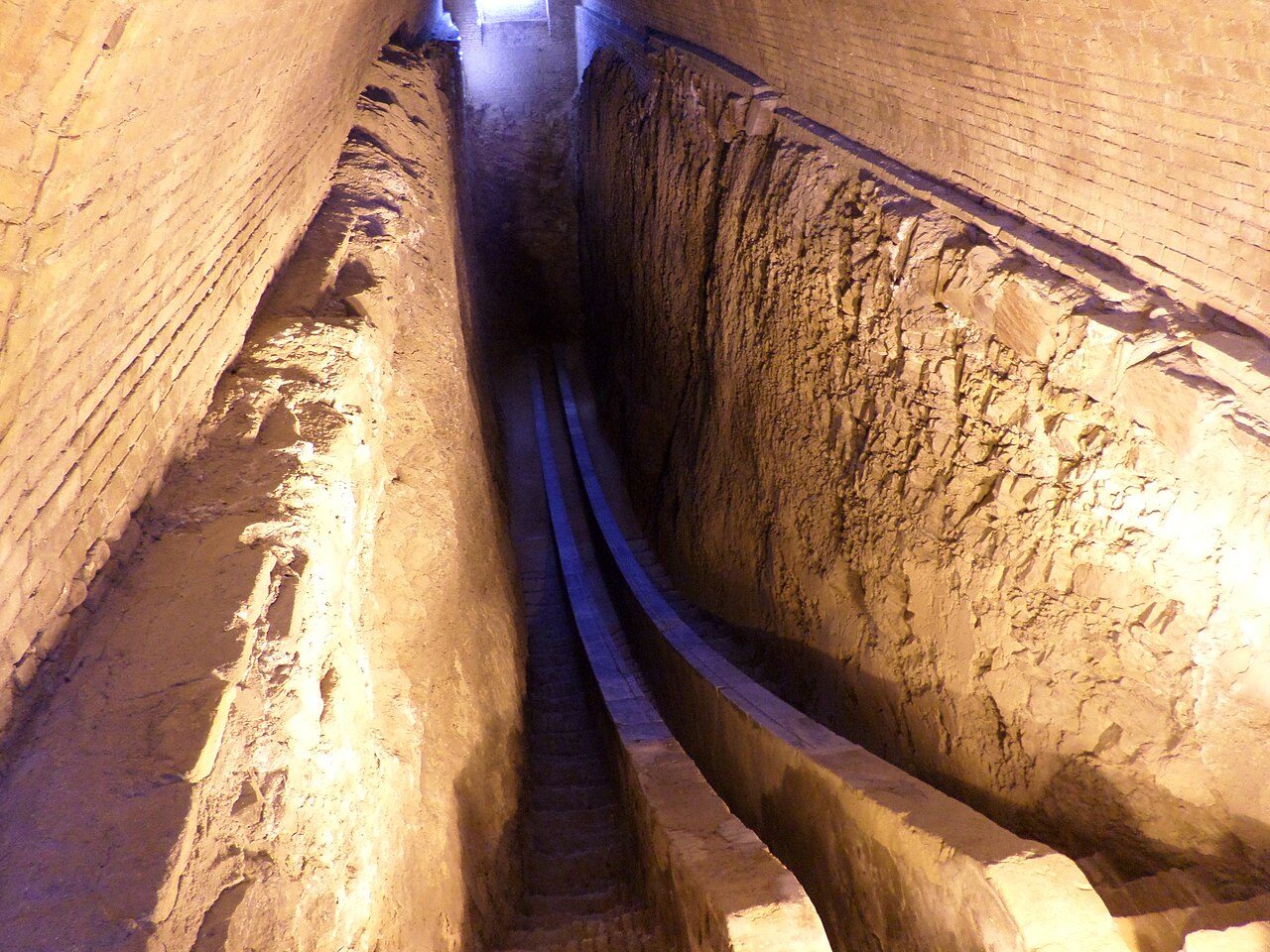
Photo credits (5)
- Vaurien, CC BY-SA 3.0 de, via Wikimedia Commons
- David Stanley from Nanaimo, Canada, CC BY 2.0, via Wikimedia Commons
- Arina Pan, CC BY-SA 4.0, via Wikimedia Commons
- Koshkinhome, CC BY-SA 4.0, via Wikimedia Commons
- Bobyrr, CC BY-SA 4.0, via Wikimedia Commons