Planning a first trip to Greece involves balancing iconic mainland history with relaxing island escapes. This guide highlights top destinations, travel logistics, and practical planning advice for an unforgettable journey.
Greece Travel Guide for First-Time Visitors
Planning a first trip to Greece requires balancing the monumental ancient landmarks of the mainland with relaxed days on the Aegean and Ionian islands. For an ideal introduction, spend two to three days in Athens exploring Classical antiquity before ferrying or flying to one or two diverse islands such as Santorini or Crete. Moving between historical highlights and seaside towns gives you an authentic feel for the country without rushing through transit.
Greece sits where the azure waters of the Aegean and Ionian seas meet dramatic mainland peaks and sun-bleached archipelagos. Across the mainland and islands, you encounter the Greek spirit of philotimo, a cultural hospitality that welcomes travelers warmly. Discover more regional options and travel planning resources on the Greece country hub.
Top Destinations for Your First Trip
First-time visitors often try to see too much, resulting in long travel days instead of relaxed exploration. Focusing on two or three base areas creates the most rewarding initial journey.
Athens: The Classical Heartland
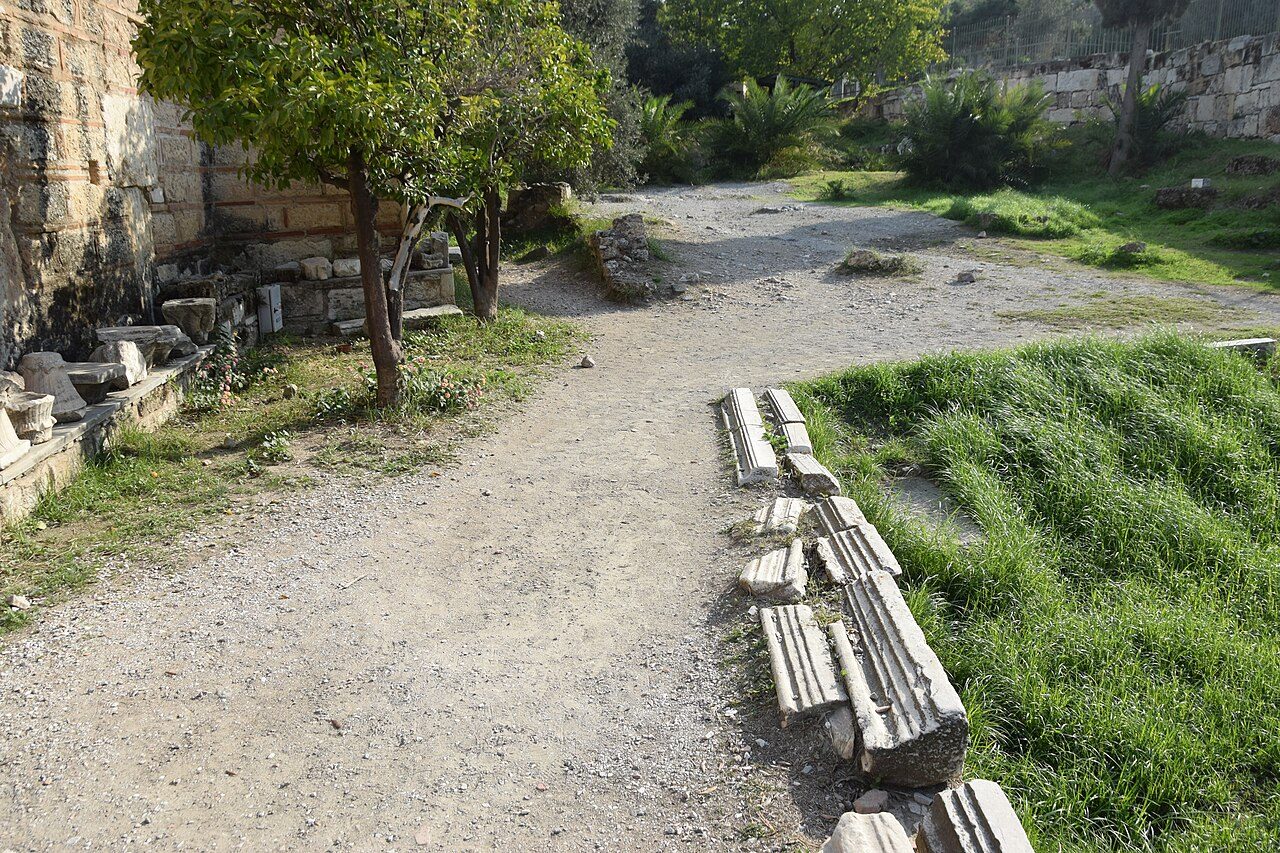
Every first-time journey should anchor in Athens, the cradle of Western democracy. The limestone citadel of the Acropolis commands the Attic plain, crowned by the celebrated Doric architecture of the Parthenon. Just below, the Ancient Agora of Athens marks the historic civic core where Socrates questioned fellow citizens, while the neoclassical National Archaeological Museum preserves masterworks from prehistoric through late antique Hellas.
The Cyclades: Santorini and Mykonos
The volcanic rim of Santorini delivers dramatic caldera vistas. Walk the high cliffside avenues of Fira Town, or visit the maritime alleys of Oia to watch evening light paint the whitewashed architecture. At the southern tip of the island, the Bronze Age excavations at Akrotiri reveal well-preserved multistory buildings preserved under volcanic ash.
Nearby in the Cyclades, Mykonos combines labyrinthine island paths with coastal history. Explore the captain houses of Little Venice right on the waterline, stroll the maze-like Matoyianni Street, or take an offshore excursion to Delos Island, the sacred mythological birthplace of Apollo and Artemis.
Crete and the Peloponnese
For travelers who appreciate deep antiquity and broad landscapes, Crete offers a vast territory of its own. Based in Heraklion, you can explore the Minoan labyrinth at Knossos Palace and view delicate Bronze Age frescoes inside the Heraklion Archaeological Museum. The island also features coastal beauty, such as the pink-tinted waters of Elafonissi Beach.
On the mainland, Nafplio serves as an accessible base for the Argolid peninsula. Ascend the Venetian ramparts of Palamidi, walk through the prehistoric Lion Gate at Mycenae, and test the remarkable acoustics at Epidaurus.
How to Get Around Greece
Navigating Greece is straightforward once you understand how mainland transit connects with the island ferry networks.
- Domestic flights: Flying between Athens and distant islands like Rhodes or Crete saves valuable time if your trip is ten days or shorter.
- Ferries: High-speed catamarans and conventional car ferries connect the port of Piraeus with the Cyclades. Conventional ferries take longer but handle windy sea conditions better.
- Mainland trains and driving: The mainland rail line connects Athens with central Greece. To reach northern sites like the rock pinnacles of Meteora near Kalambaka, hire a car or book regional transit.
- Private drivers: For complex mainland loops through the Peloponnese or custom day excursions on island roads, you can book local drivers and transfers on Tour & Car.
Costs and Budgeting
Your overall budget will depend largely on how many islands you visit and what season you travel. Ferry tickets, domestic flights, and private transfers add to transit totals, so limiting island hops helps manage overall expenses.
Mainland destinations and large islands like Crete often provide lower dining and accommodation costs than high-profile boutique islands like Santorini or Mykonos. Daily dining remains a great value across Greece if you frequent family-run seaside tavernas serving local olive oil, fresh salads, grilled meats, and seafood. Using local guides on Tour & Car allows you to design days that suit your personal spending priorities without unexpected group tour fees.
Best Time to Visit
Choosing the right month ensures pleasant weather, reliable ferry schedules, and manageable crowds.
- May to early June: Spring offers blooming landscapes, comfortable temperatures for walking archaeological ruins, and lighter foot traffic at major landmarks.
- July and August: The peak summer months bring high temperatures, full ferry manifests, and lively coastal nightlife. Early morning sightseeing is essential to avoid mainland heat.
- September to October: Early autumn provides warm sea temperatures ideal for swimming, stable weather, and fewer crowds across both mainland sites and island towns.
- Winter (November to March): An excellent period for city breaks in Athens or Thessaloniki, offering quiet museums and crisp hiking weather, though many island tourist services pause operations.
Recommended 10-Day Itinerary for First-Timers
A 10-day trip provides ample time to combine the central ancient monuments with a taste of island culture.
- Days 1–2: Athens. Settle into your hotel and explore the historic districts of Plaka and Monastiraki. Spend day two touring the Acropolis and the Ancient Agora, followed by a visit to the National Archaeological Museum.
- Days 3–4: Nafplio & the Peloponnese. Travel southwest to Nafplio. Tour the citadel at Mycenae and the ancient theater at Epidaurus, then climb the stone stairs of Palamidi fortress for sweeping bay views.
- Days 5–7: Santorini. Return to Athens to catch a morning ferry or flight to Santorini. Explore the winding lanes of Fira, walk through the prehistoric excavations of Akrotiri, and view the sunset from Oia.
- Days 8–9: Crete or Mykonos. Ferry to Crete for Minoan palaces and coastal excursions, or head to Mykonos to explore Delos and the paths of Little Venice.
- Day 10: Return to Athens. Travel back to Athens for an evening farewell meal in the city before your departure.
Essential Tips for First-Time Visitors
Keep these simple cultural and practical tips in mind to ensure a smooth trip across Greece.
- Carry cash for small purchases: While cards are widely accepted across cities, smaller bakeries, taxis, and family stalls on rural islands often prefer cash.
- Dress modestly for monasteries: When visiting active monastic complexes such as Meteora, wear clothing that covers your shoulders and knees. Many monasteries provide wrap skirts at the entrance.
- Wear sturdy footwear: Marble walkways around the Acropolis and cobblestone steps across Cycladic villages become extremely slick underfoot.
- Pre-book peak transport: Reserve high-speed ferry passages and private airport transfers ahead of time when traveling during midsummer.
- Embrace late dining: Greeks traditionally sit down for dinner after 8:30 PM, making tavernas vibrant social centers well into the night.