
Crete
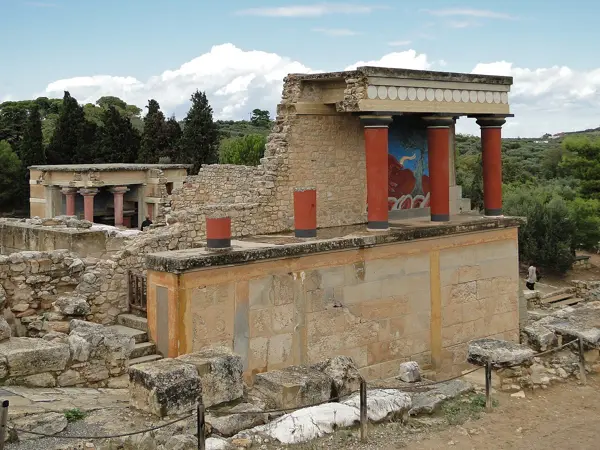
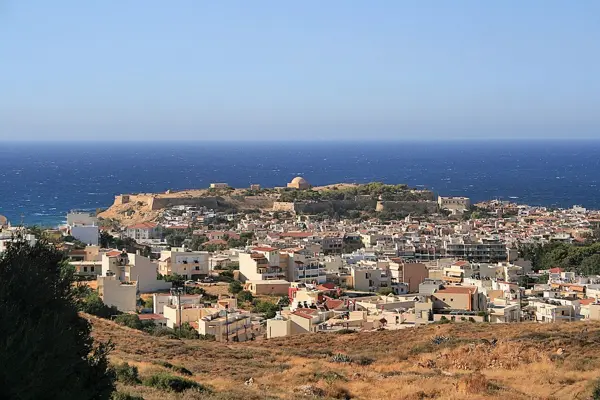
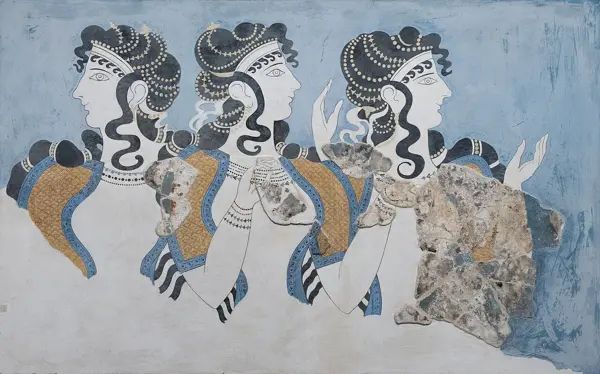
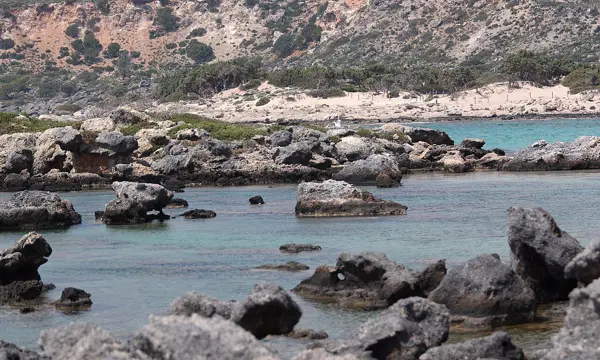
Crete rises from the southern Aegean Sea toward North Africa, anchored by the jagged limestone massifs of the White Mountains and Mount Ida. Stepping through the harbor alleys or climbing into the foothill villages, you immediately catch the sharp scent of wild oregano mixed with salty sea air, accompanied by the steady clatter of worry beads and backgammon dice outside shaded coffee shops. The island was the heart of the Minoan civilization, which dominated the Mediterranean from roughly 2000 BC until its collapse around 1450 BC. Today, travelers can explore the vibrant frescoes and labyrinths of the Palace of Knossos near Heraklion. In Chania, the Venetian quarter features a 14th-century stone seawall and pastel facades, while Rethymno holds a 16th-century star-shaped Fortezza citadel layered with Ottoman minarets. Further inland, the 16th-century Arkadi Monastery preserves tragic, heroic battle scars from an 1866 uprising against Turkish rule. Evenings revolve around neighborhood tavernas serving dakos, a regional staple of barley rusks topped with crushed tomatoes, sheep milk mizithra, and local olive oil, finished with carafes of grape-based tsikoudia. Late summer brings village panigiria, festive patron-saint feasts marked by live lyra music and fast-paced circle dancing that runs until dawn. The best way to reach the mountain settlements is by hiring a car, and traveling in May or October avoids midsummer midday heat and crowded coastal roads.
Read more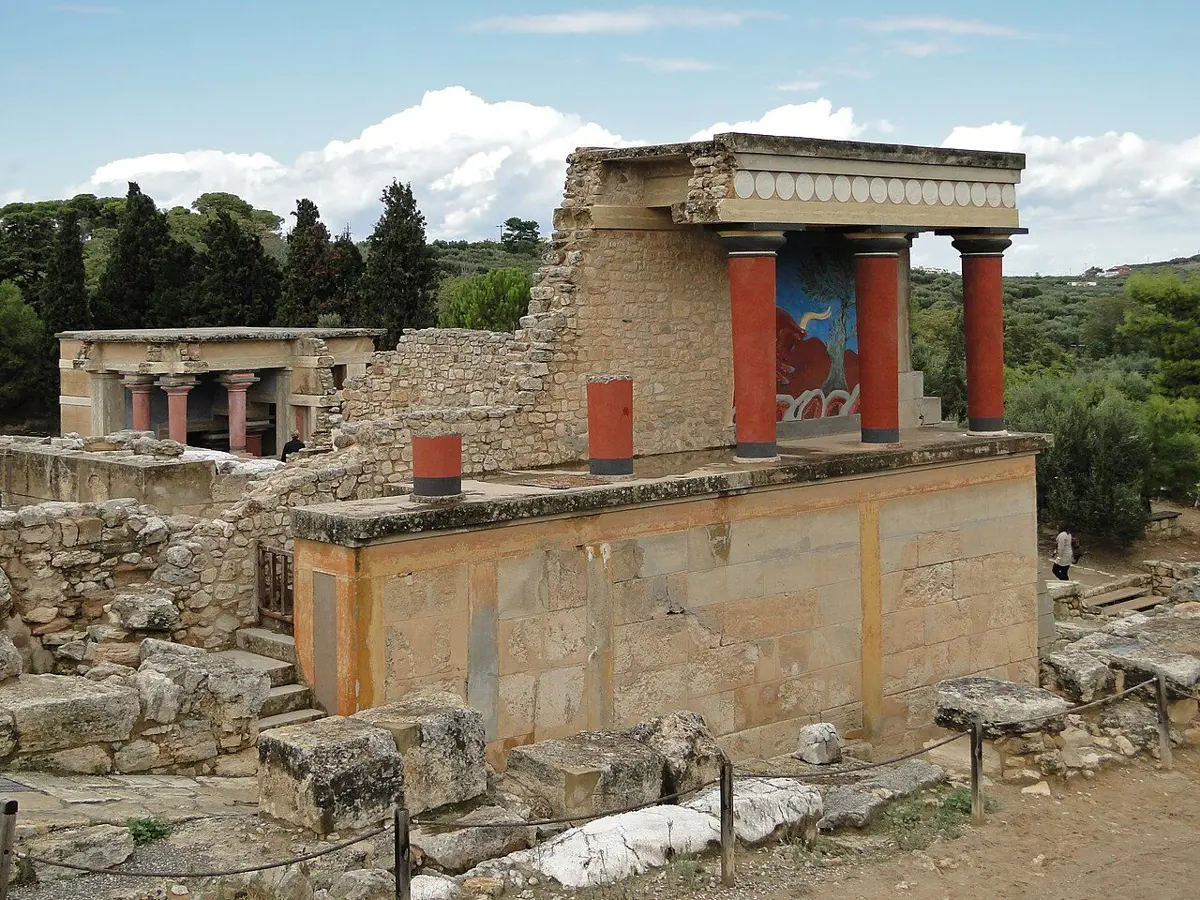
What to see in Crete
Travel guides for Crete
Photo credits (4)
- Bernard Gagnon, CC BY-SA 3.0, via Wikimedia Commons
- Lapplaender, CC BY-SA 3.0 de, via Wikimedia Commons
- Gleb Simonov, Public domain, via Wikimedia Commons
- Jerzy Strzelecki, CC BY-SA 3.0, via Wikimedia Commons