
 New added
Heraklion Archaeological Museum
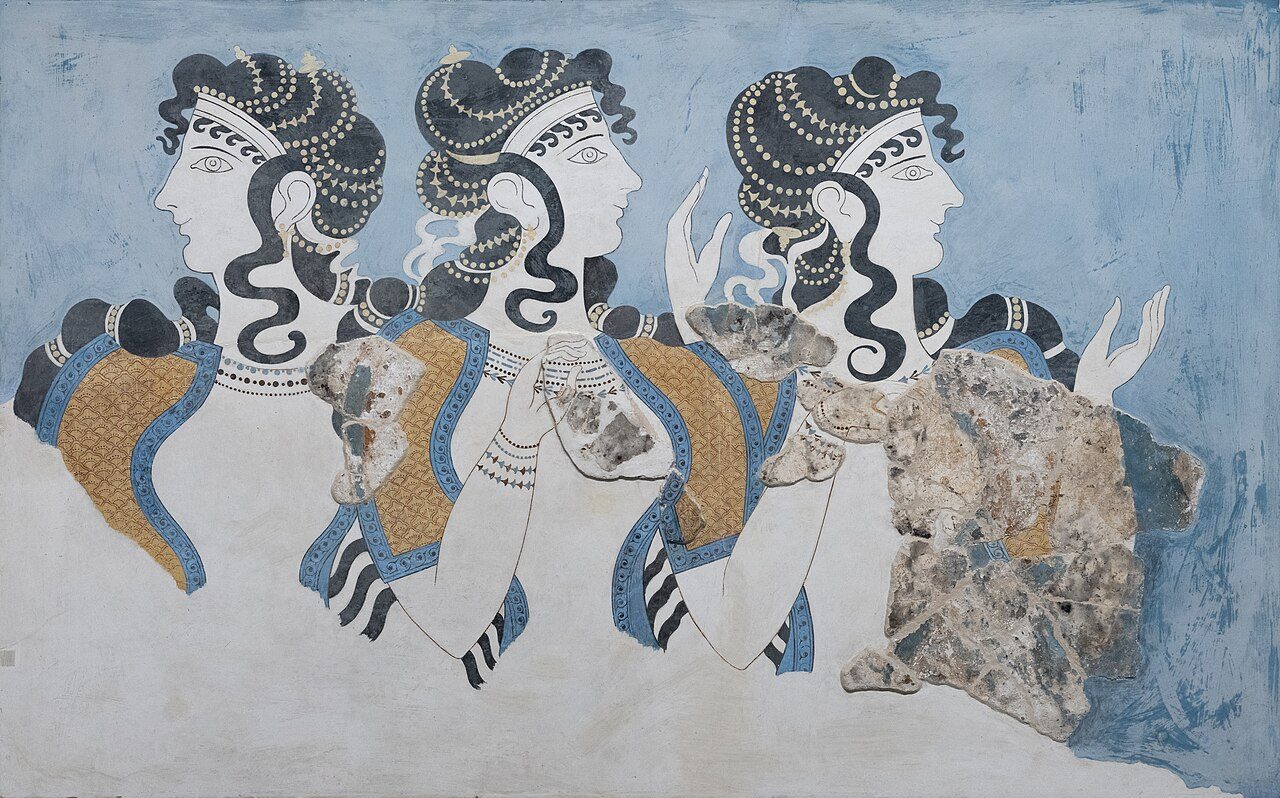
Housed within a modernist structure conceived by architect Patroklos Karantinos in the 1930s—erected directly over the earthquake-shattered remains of a Venetian monastery—this institution serves as the world’s definitive sanctuary of Minoan antiquity. Across twenty-seven light-drenched galleries, the building pairs Bauhaus functionalism with Mediterranean warmth to chronicle over five millennia of Aegean history. Chronological halls guide visitors from Neolithic obsidian blades to the zenith of Bronze Age palatial culture, where museum cases gleam with the micro-granulated gold bees of Malia and sacred steatite rhytons carved into the likeness of snarling bulls. Standing within these cool, reverberant spaces, ancient Mediterranean life appears strikingly vibrant. You come eye-to-eye with the wide-eyed faience Snake Goddesses brandishing serpents in upraised fists, their bare-breasted bodices and flounced skirts captured in exquisite ceramic glaze. Steps away, the still-undeciphered stamped symbols of the clay Phaistos Disc invite intense contemplation under focused gallery spotlights. Ascending to the upper floor, visitors are enveloped by restored wall paintings lifted from Sir Arthur Evans’s excavations at Knossos; dynamic original fragments of the *Bull-Leaping Fresco* blaze in vivid terracotta, chalk white, and Egyptian blue, capturing airborne acrobats frozen in eternal, breathless suspension.
More in Crete
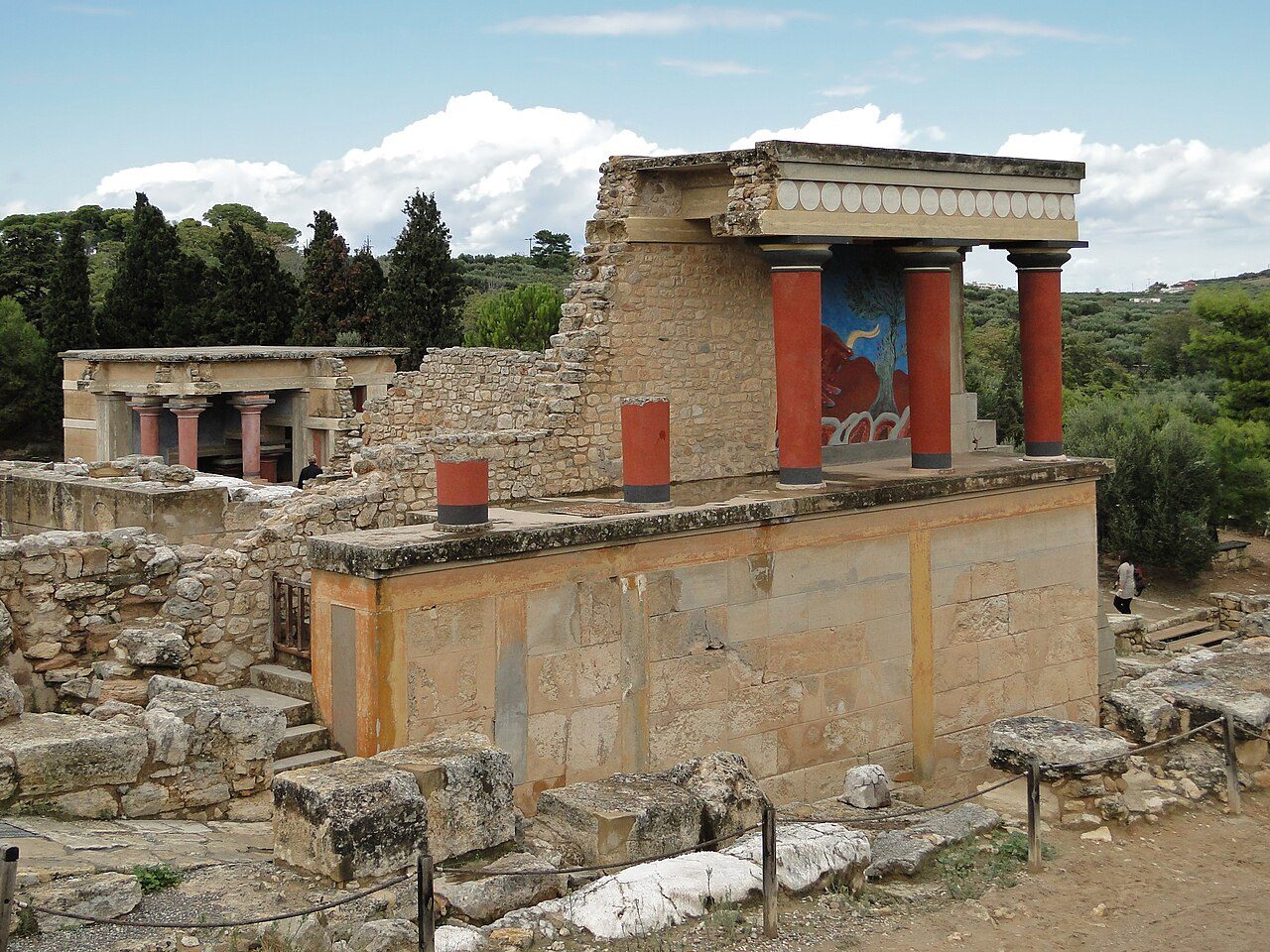
Photo credits (4)
- Gleb Simonov, Public domain, via Wikimedia Commons
- Bernard Gagnon, CC BY-SA 3.0, via Wikimedia Commons
- Lapplaender, CC BY-SA 3.0 de, via Wikimedia Commons
- Jerzy Strzelecki, CC BY-SA 3.0, via Wikimedia Commons