Mykonos
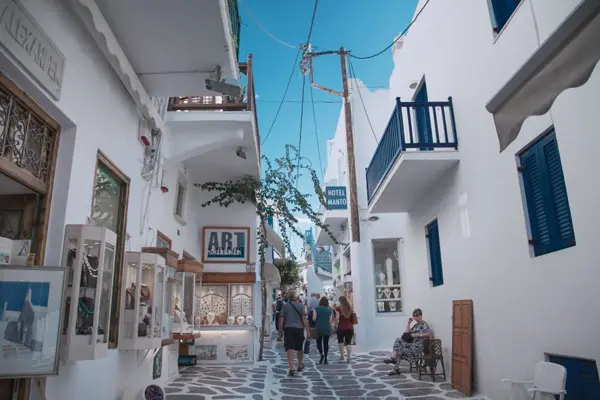
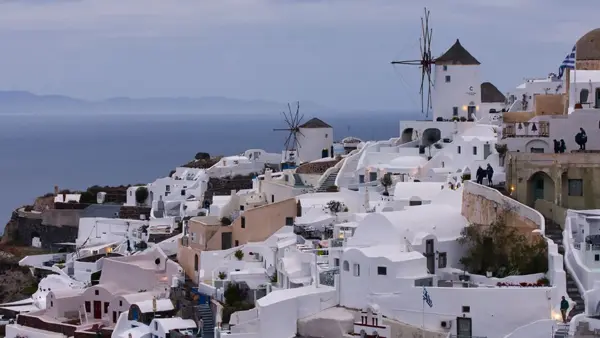
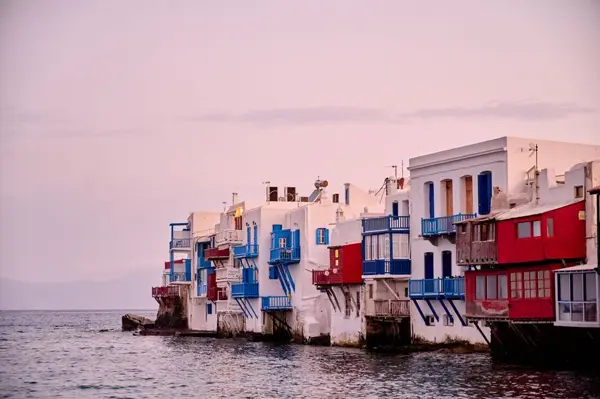
Set amid the sapphire expanses of the central Aegean Sea, Mykonos rises as a sun-scoured mass of granite in the Cyclades archipelago. Walking through Chora, the main harbor town, pulls you into a deliberately disorienting maze of whitewashed cubic houses, scarlet shutters, and flagstone pathways outlined in fresh lime. Fierce meltemi winds blow steadily across the shoreline, carrying sea spray and the scent of bougainvillea between quiet residential courtyards and open waterfront promenades. The island reflects centuries of Aegean trade and Venetian maritime governance established after 1207. Near the old harbor edge, the church of Panagia Paraportiani stands as an asymmetrical architectural wonder constructed between 1425 and the seventeenth century, its five fused chapels resembling a sculptural wave of lime. Just south along the headland, the sixteenth-century Kato Mili windmills mark where wheat was once milled for passing merchant fleets. Below them, the eighteenth-century quarter of Little Venice features captains houses with timber balconies cantilevered directly above the crashing surf. Island traditions endure inland in the quiet village of Ano Mera, where communities gather for summer panigiri festivals celebrated with open-air feasts, fiddle music, and barrels of local wine. Tavernas serve pungent kopanisti, a spicy fermented cheese, alongside thin slices of cured louza pork and honeyed almond amygdalota pastries. To experience the town without heavy crowds, walk the stone alleys in the quiet hours after sunrise, and schedule your trip for May or late September. Chora remains entirely pedestrian, while public KTEL buses provide the most reliable way to traverse the rocky hills toward outlying beaches.
Read more