A complete United Arab Emirates itinerary covering how many days to spend and where to travel across the country. Plan your route from modern skylines to desert oases and ancient coastal forts.
For a comprehensive United Arab Emirates trip, spend 7 to 10 days to balance modern architecture, historic forts, and mountain landscapes. A quick introductory visit takes 4 to 5 days split between Dubai and Abu Dhabi, while 10 to 14 days allows you to venture inland to Al Ain and north to Ras Al Khaimah and Fujairah.
Planning where to go depends on your pace and transport preferences. The country has modern highways connecting the emirates, making road trips straightforward between towering urban centers, quiet coastal towns, and desert ridges.
How Many Days to Spend in the UAE
- 4 to 5 Days (The Highlights): Spend two to three days exploring central Dubai and two days in Abu Dhabi. This schedule covers signature towers, grand civic landmarks, and waterfront strolls.
- 7 to 8 Days (Classic Journey): Add a day trip to the garden city of Al Ain or explore the cultural venues along the coast of Sharjah and Ajman.
- 10 to 14 Days (Grand Emirates Route): Travel across all seven emirates. You can spend unhurried days in the northern mountains of Ras Al Khaimah, discover historical defense redoubts in Fujairah, and soak in calm beaches away from major city traffic.
Where to Go: Essential Emirates and Regions
Dubai: Architectural Feats and Historic Souks
Dubai serves as the primary arrival hub for most travelers. The central downtown district features the 828-meter Burj Khalifa, the expansive Dubai Mall, and the synchronized choreographies of the Dubai Fountain. Nearby, the Dubai Frame provides sweeping views separating the historic quarters from the newer high-rises.
To understand the maritime trade routes that anchored early merchant settlements, head to Dubai Creek. Cross between the banks to browse Deira's historic Gold Souk, established in the early twentieth century. Further down the coast, you can view the sail-shaped Burj Al Arab and stroll along the promenades of Dubai Marina, while seasonal open-air floral exhibits await at the Dubai Miracle Garden.
Abu Dhabi: Capital Architecture and Entertainment
An easy drive southwest along the coast leads to Abu Dhabi. The capital balances monumental civic developments with cultural institutions. Stroll or cycle the landscaped seaside path of the Corniche, visit the opulent interiors and grounds of the Emirates Palace, or spend an afternoon exploring high-speed indoor rides and exhibits at Ferrari World on Yas Island.
Al Ain: UNESCO Heritage and Desert Peaks
Known as the Garden City of the eastern desert interior, Al Ain preserves ancient falaj irrigation channels under thick date canopies at the Al Ain Oasis. Guarding the surrounding agricultural plots stands the mud-brick Al Jahili Fort, completed in the late nineteenth century. South of the city center, the road winds up Jebel Hafeet, a 1,249-meter limestone formation with ancient beehive tombs dotted along its foothills.
Sharjah and Ajman: Culture, Lagoons, and Gulf Shores
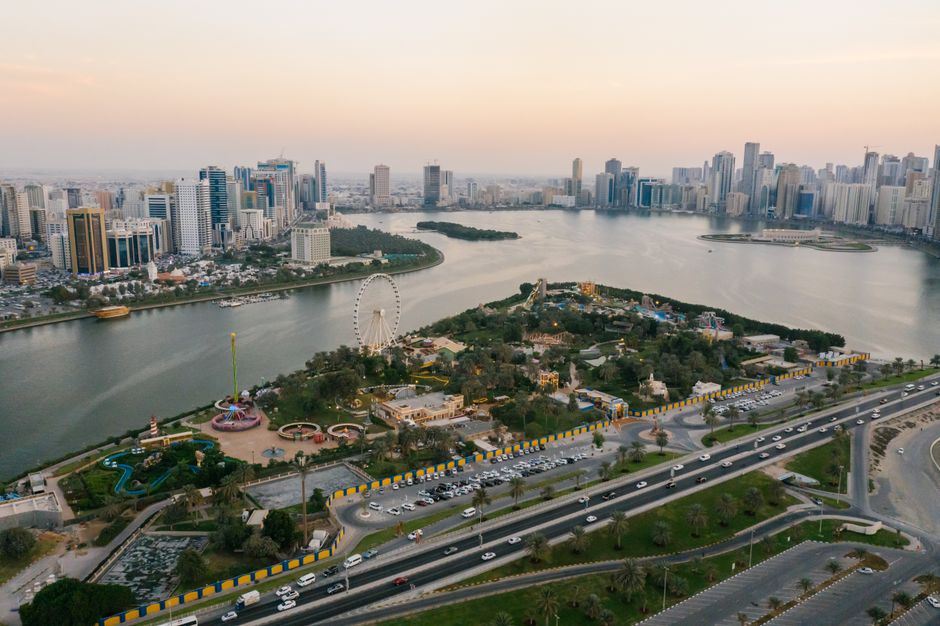
Bordering Dubai to the northeast, Sharjah is celebrated for its preservation of heritage arts. Spend an evening walking the shores of Khalid Lagoon at Al Majaz Waterfront. Immediately adjacent sits Ajman, the smallest emirate. Visit the coral-stone Ajman Museum, housed within an eighteenth-century fortress, before relaxing along the Corniche or the calm Beaches.
Ras Al Khaimah and Fujairah: Mountains and Arabian Coastlines
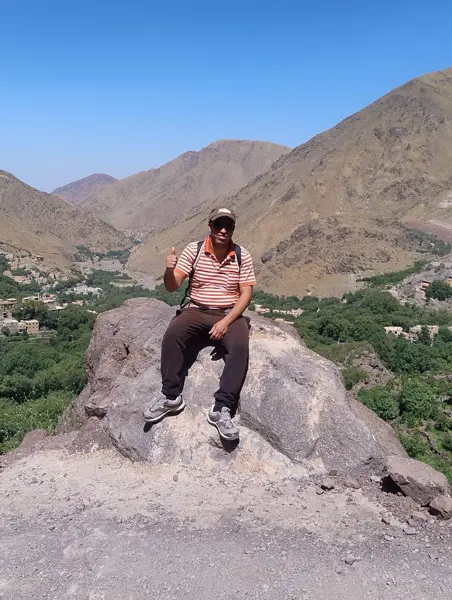
In the northern tip of the peninsula, Ras Al Khaimah offers dramatic topography. Hike or drive the winding switchbacks of Jebel Jais, the country's highest peak within the Hajar range. History enthusiasts can climb the stairs to Al Dhayah Fort, the UAE's sole remaining hilltop military defense work, or unwind along Ras Al Khaimah's coastal Beaches.
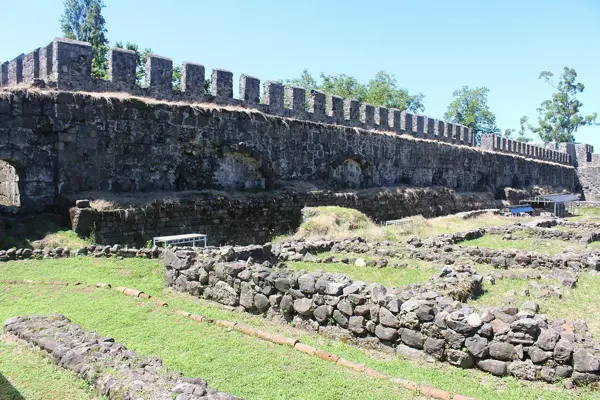
Crossing over to the Gulf of Oman coastline brings you to Fujairah. Here, date palm groves shelter Fujairah Fort, dating back to the sixteenth century. Further north along the coast stands Al Bidya Mosque, constructed around 1446 CE and recognized as the country's oldest surviving house of prayer.
7-Day Classic UAE Itinerary
This week-long route introduces you to the country's most renowned urban and cultural landmarks:
- Day 1: Modern Dubai. Arrive and orient yourself in Downtown Dubai. Tour the Dubai Mall, view the Burj Khalifa, and watch the Dubai Fountain shows in the evening.
- Day 2: Old Dubai and the Marina. Wander the narrow alleys of the Gold Souk by Dubai Creek. In the late afternoon, take the metro or drive south to the waterfront walkways of Dubai Marina.
- Day 3: Dubai to Abu Dhabi. Travel southwest to Abu Dhabi. Spend the midday hours along the Abu Dhabi Corniche, followed by a visit to Emirates Palace.
- Day 4: Abu Dhabi Highlights. Dedicate your morning to Yas Island entertainment at Ferrari World, followed by an evening sunset drive along the waterfront.
- Day 5: Inland to Al Ain. Head east into the desert interior. Explore the shaded walkways of Al Ain Oasis, tour Al Jahili Fort, and drive up Jebel Hafeet for panoramic views.
- Day 6: Northern Heritage. Drive north through Sharjah, pausing at Al Majaz Waterfront, before examining maritime and local history exhibits at Ajman Museum.
- Day 7: Mountain Drive and Departure. Take a scenic morning route into Ras Al Khaimah to see Jebel Jais or Al Dhayah Fort before returning to Dubai or Abu Dhabi for your onward flight.
How to Get Around the Emirates
Intercity public buses connect major bus stations across Dubai, Abu Dhabi, and Sharjah, while modern metro systems operate within Dubai. However, public transport options thin out significantly once you head into mountain ravines or the southern desert.
Highways throughout the United Arab Emirates are well maintained, with clear bilingual signage in Arabic and English. Speed limits are strictly monitored through automated radar cameras, so always observe posted signs on highway stretches.
Best Time to Visit and Annual Events
The most comfortable travel window spans from November through March, when daytime temperatures hover around mild, comfortable levels suitable for walking tours, outdoor souks, and mountain hiking. Summer months from June through September bring intense heat and humidity, which limits activities to air-conditioned malls and indoor venues.
Several major events take place during the winter season across the country. In late November, sports fans gather for the Emirates Dubai 7s, while cultural showcases such as Frieze Abu Dhabi and the Mother of the Nation Festival take over the capital. Motorsport enthusiasts travel in early December for the Formula 1 Etihad Airways Abu Dhabi Grand Prix, followed by the endurance races of the ADNOC Abu Dhabi Marathon and the desert rallies of the Liwa International Festival. Shoppers can also take advantage of citywide discounts during the Dubai Shopping Festival through December and January.
Practical Tips for Your Trip
- Dress Code: While metropolitan areas are cosmopolitan, modest dress covering shoulders and knees is appreciated in government buildings, heritage sites, and traditional markets.
- Currency and Payments: The local currency is the UAE Dirham (AED). Credit cards and digital payments are accepted almost everywhere, though keeping small cash bills is handy for souk purchases or water taxis.
- Navigation: Download offline navigation maps before heading into the winding mountain roads of Ras Al Khaimah or Fujairah, as cellular reception can occasionally drop between steep ridges.