
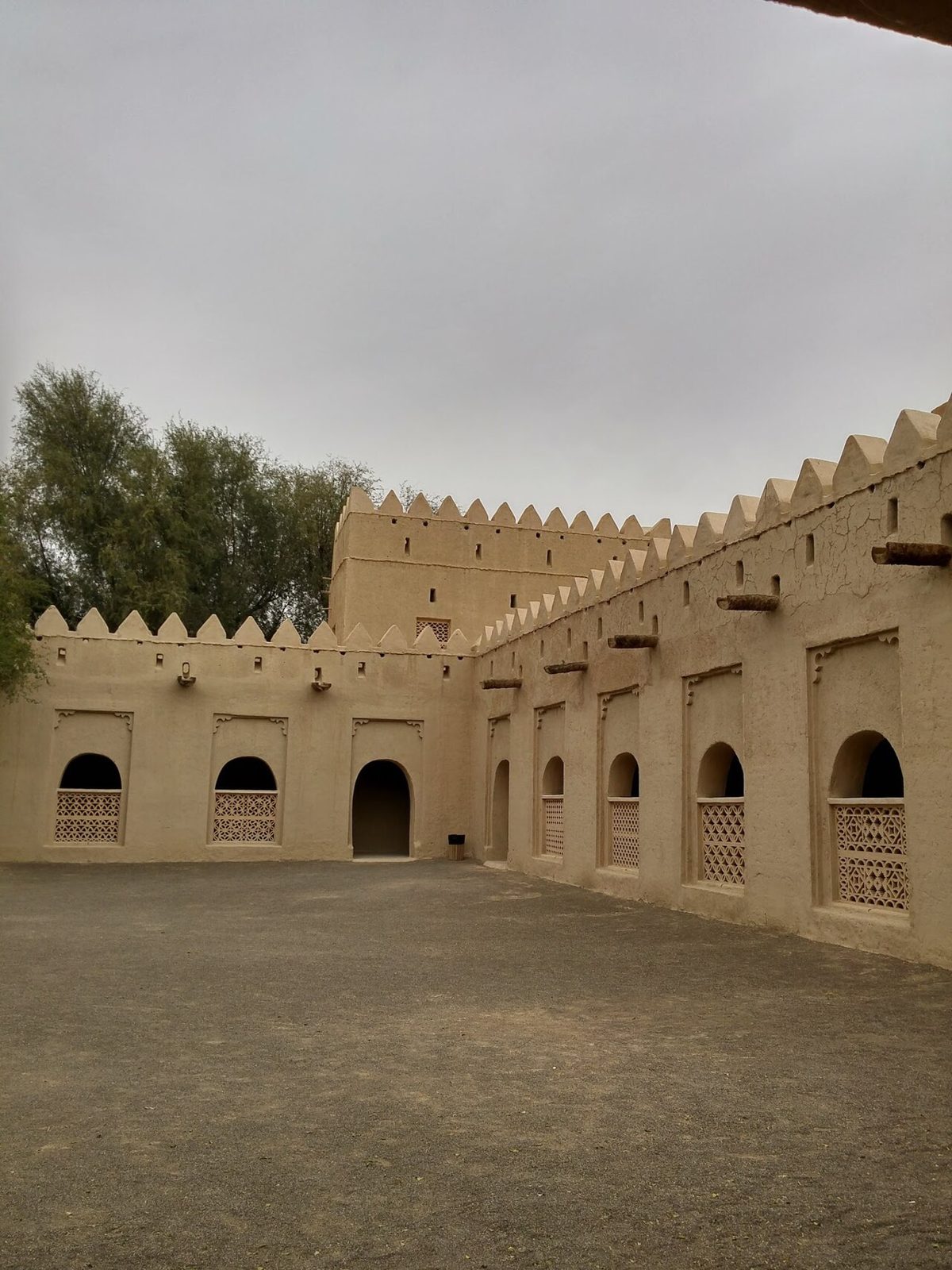
Al Jahili Fort
Rising from the desert floor in warm tones of dried clay and straw, Al Jahili Fort was commissioned in 1891 by Sheikh Zayed the First and completed in 1898 to defend the precious date groves and falaj irrigation networks of the Al Ain oasis. Crafted from traditional mud-brick and palm timber, the fortress stands as a triumph of climate-adaptive vernacular architecture, engineered to deflect the brutal heat of the Empty Quarter. Its most captivating structural marvel is the separate, multi-tiered circular watchtower, which steps upward in four concentric terracotta-hued rings, echoing defensive styles seen in regional fortifications since the third millennium BCE. Later serving as a military post for the Trucial Oman Scouts in the 1950s, the compound remains a powerful monument to desert sovereignty. Stepping through the studded timber gates, travelers leave behind the desert glare for the sudden calm of a sun-bleached central courtyard bordered by crenellated ramparts. The air inside the thick earthen rooms cools noticeably, carrying the faint, dry scent of baked clay. In the renovated western wing, visitors encounter an evocative permanent exhibition dedicated to British explorer Sir Wilfred Thesiger, whose 1940s monochrome photographs capture the vanished nomadic world of the Rub' al Khali. Climbing along the parapet walkways reveals a panoramic contrast between the fort's weathered adobe battlements and the distant, craggy purple silhouette of Jebel Hafit rising above the surrounding palm canopy.
More in Al Ain
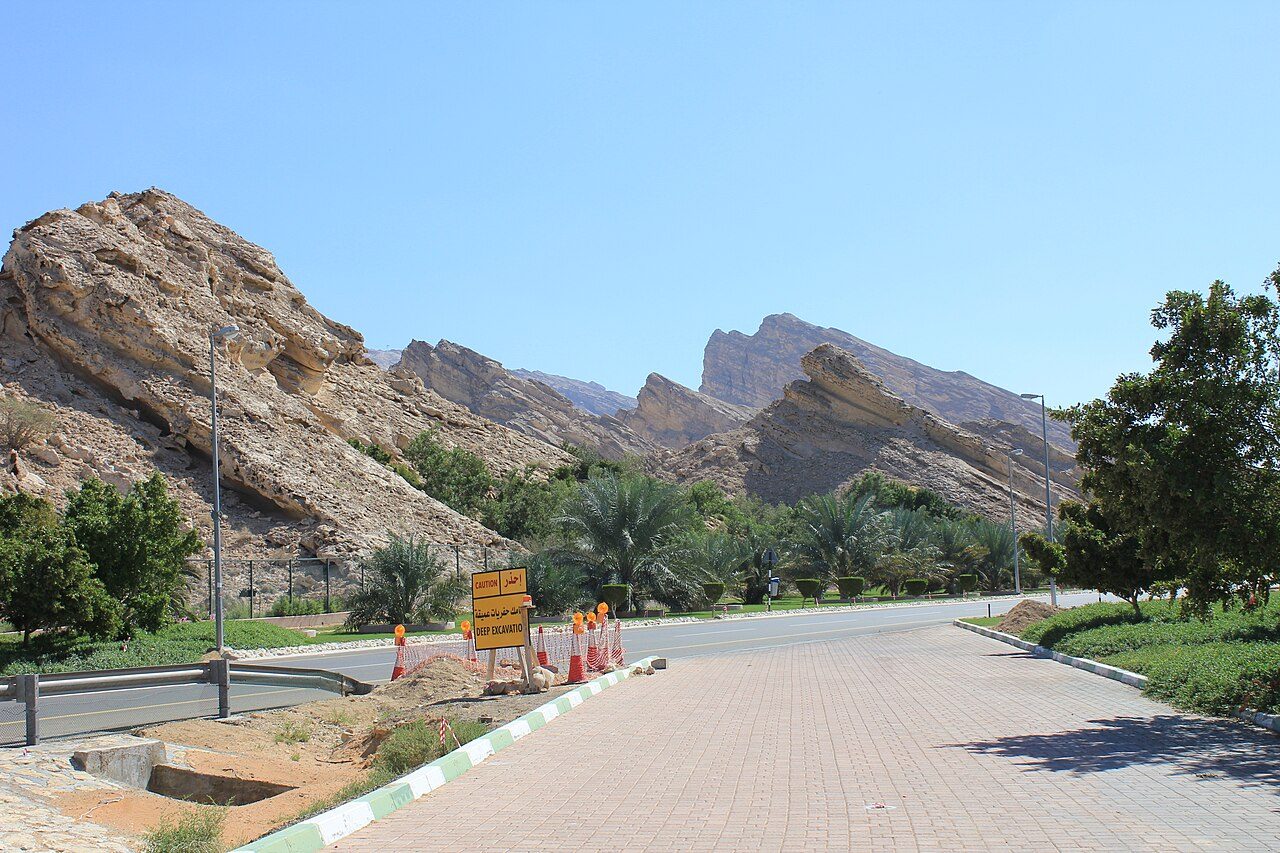
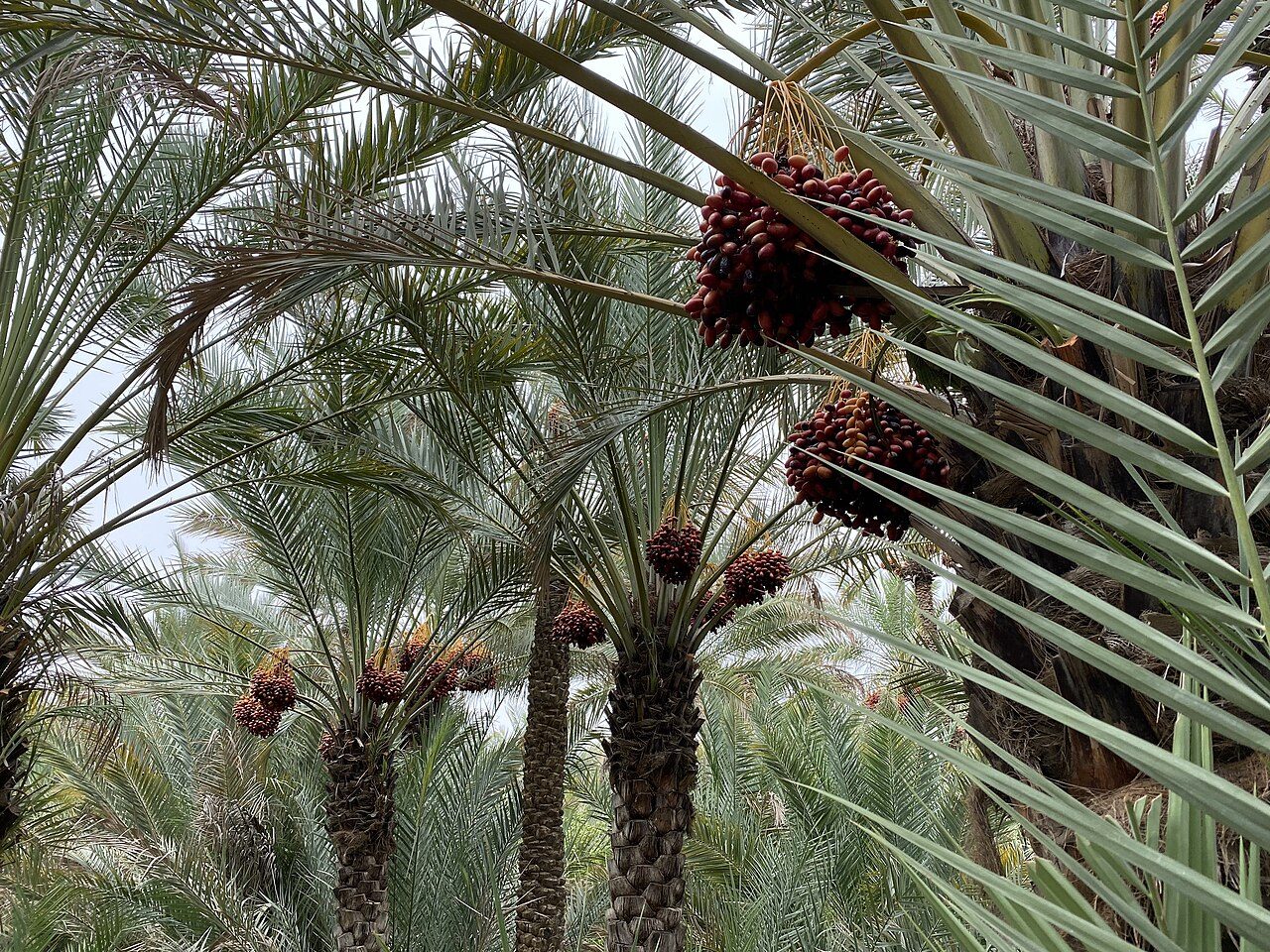
Photo credits (3)
- Kaulike2b, CC BY-SA 4.0, via Wikimedia Commons
- Xiaotong Gao, CC BY-SA 3.0, via Wikimedia Commons
- Slywire, CC BY-SA 4.0, via Wikimedia Commons