
Al Ain
Sprawled across the inland desert along the Omani border, Al Ain rests in the shadow of Jebel Hafeet. Unlike the coastal cities, this green enclave maintains strict low-rise building codes, keeping sightlines open to wide skies and dense date palms. Strolling through the central districts feels unhurried; quiet neighborhoods connect through shaded lanes where the dry desert air carries the scent of damp earth from gravity-fed falaj irrigation channels. Settled continuously since the Bronze Age, Al Ain was the ancestral base of the ruling Al Nahyan family and the birthplace of Sheikh Zayed bin Sultan Al Nahyan. At its heart, Al Ain Oasis protects twelve hundred hectares of working palm farms. Nearby stands Al Jahili Fort, raised in 1891 from sun-baked mudbrick to defend the groves, while Qasr Al Muwaiji preserves early twentieth-century royal quarters. To the north, the stone tombs of Hili Archaeological Park date to 2500 BCE. Daily trade thrives at the bustling livestock market, the last of its kind in the Emirates, and Souq Al Qattara, where merchants sell Khalas dates, spices, and dried camel milk. The community gathers in autumn for the date harvest, sampling varieties straight from the trees. Winter, from November to March, provides the coolest temperatures. Because sights spread across multiple separate oases, renting a car offers the easiest way to travel between forts, markets, and mountain viewpoints.
Read more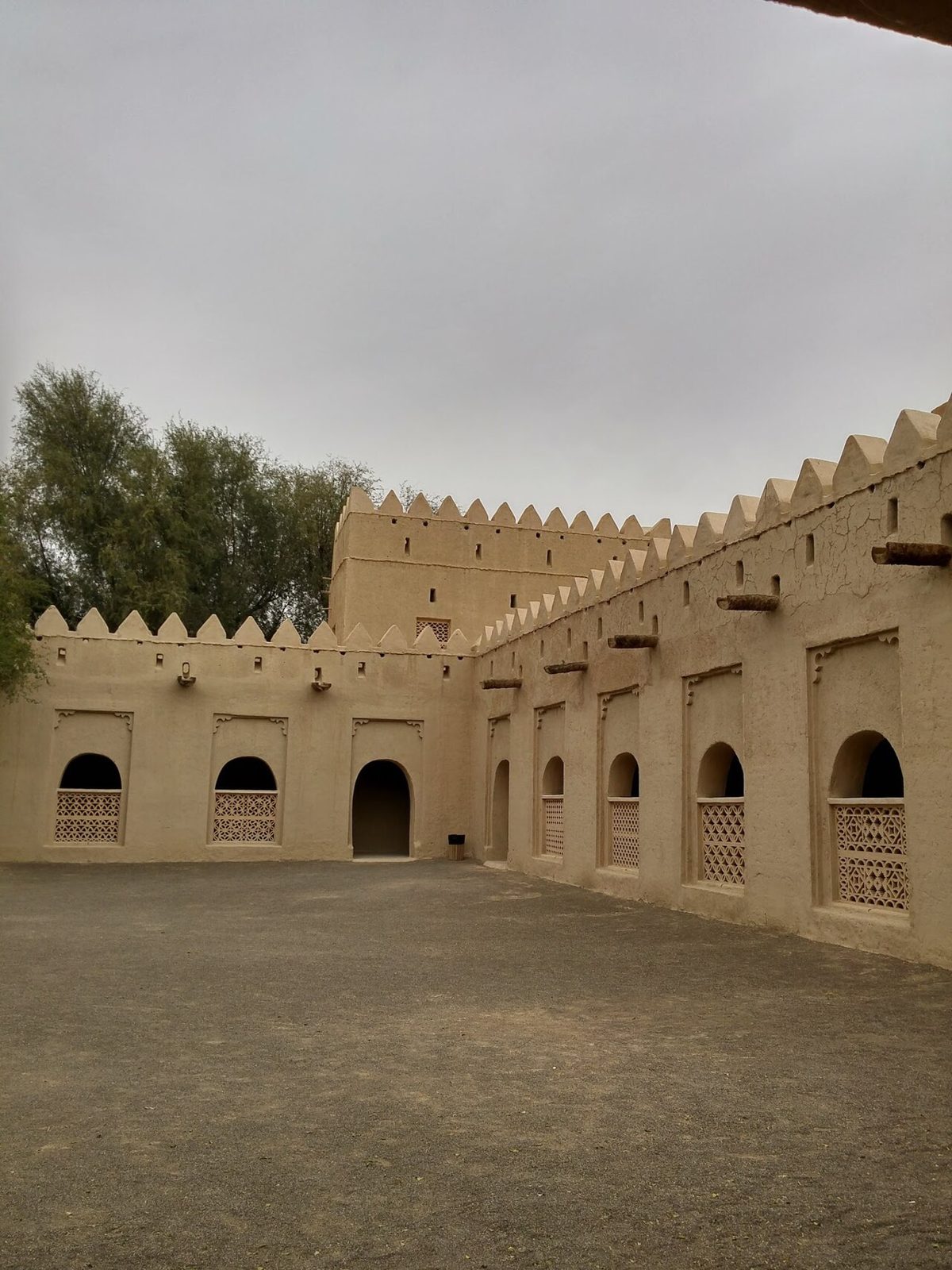
What to see in Al Ain
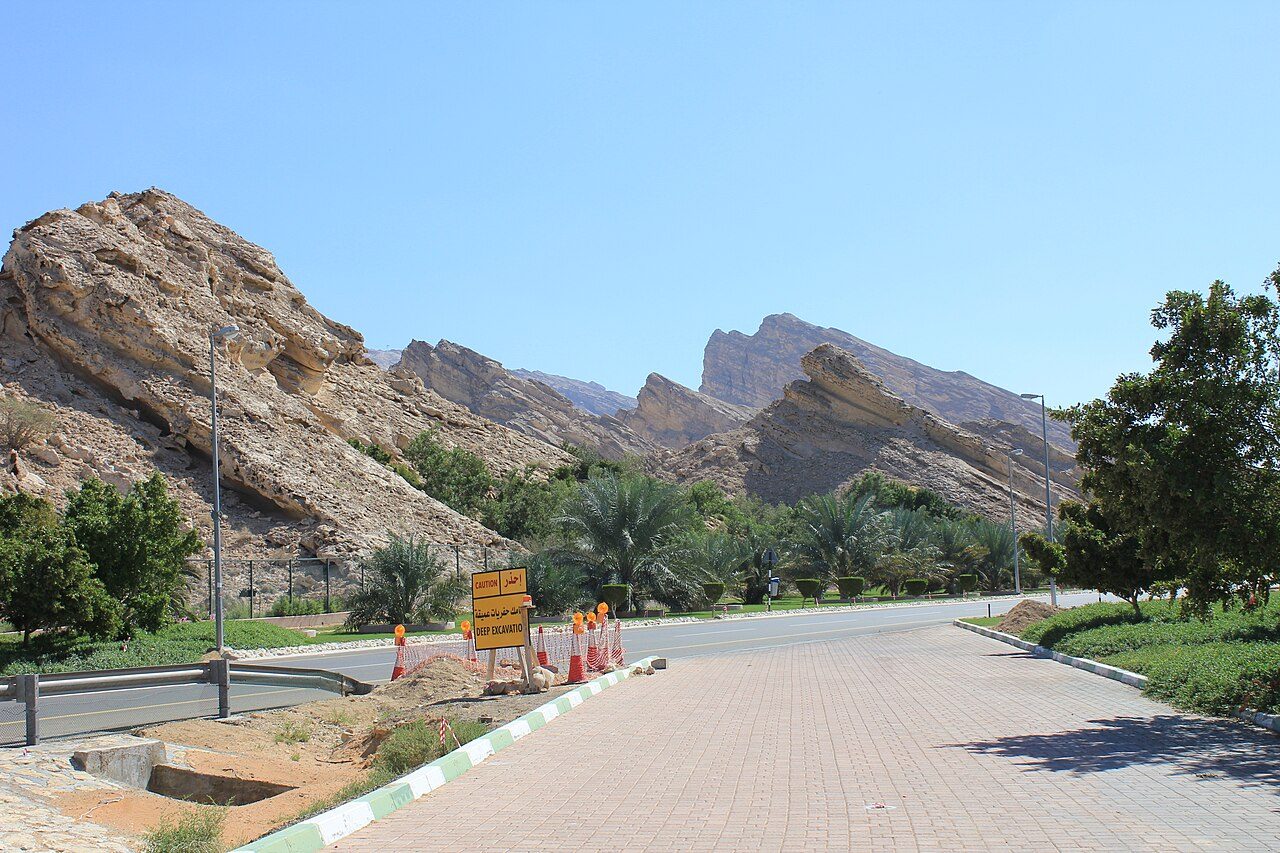
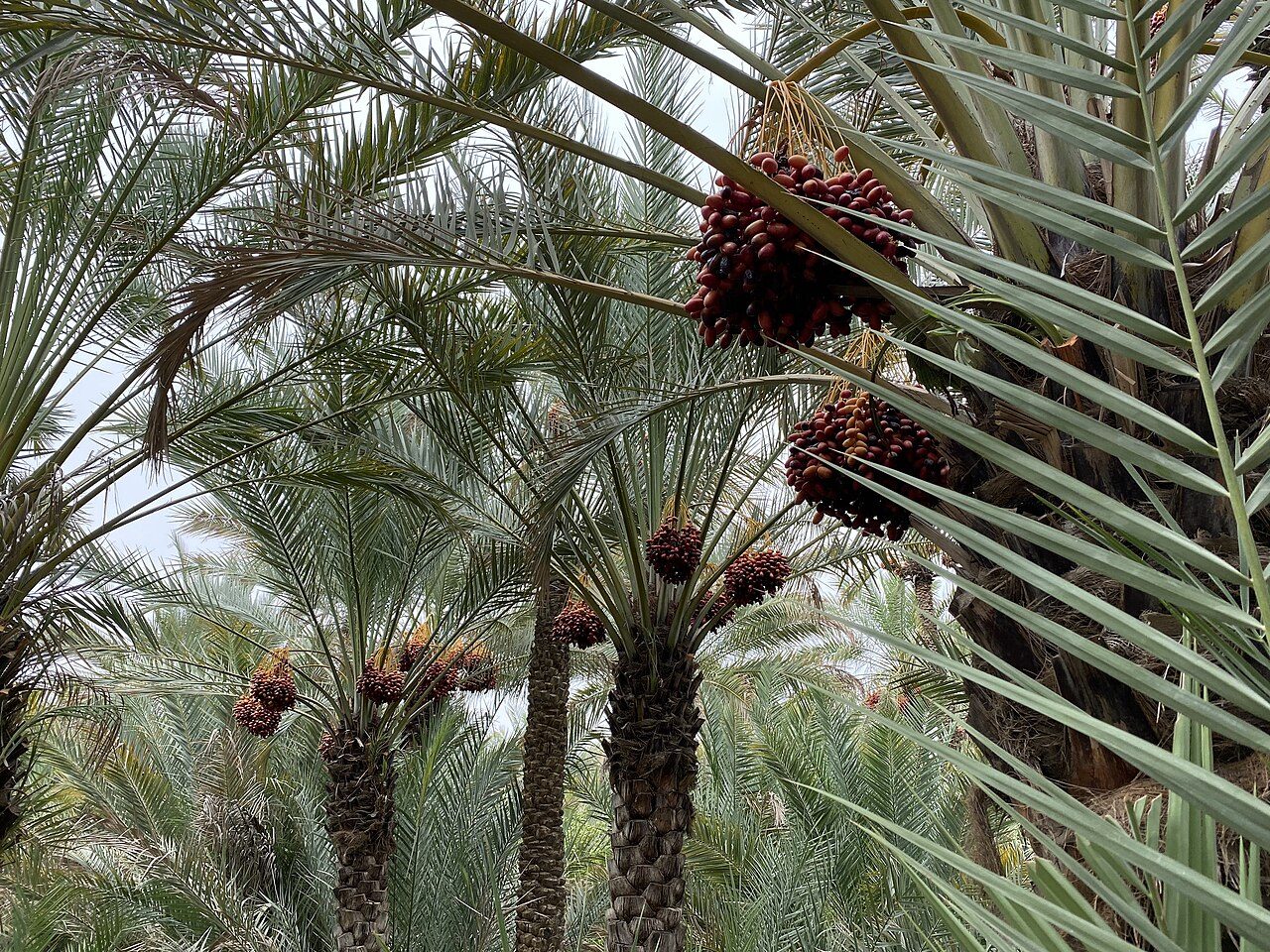
Photo credits (3)
- Kaulike2b, CC BY-SA 4.0, via Wikimedia Commons
- Xiaotong Gao, CC BY-SA 3.0, via Wikimedia Commons
- Slywire, CC BY-SA 4.0, via Wikimedia Commons