
Sharjah
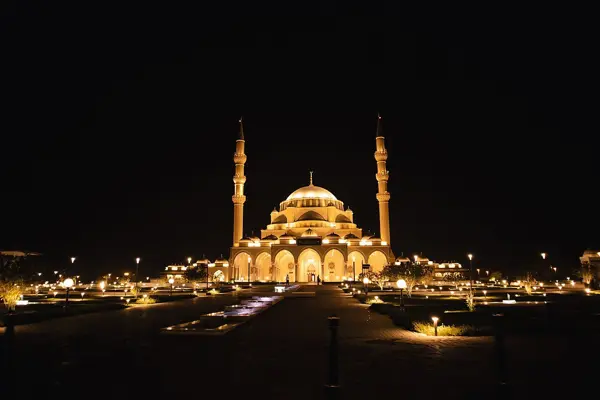
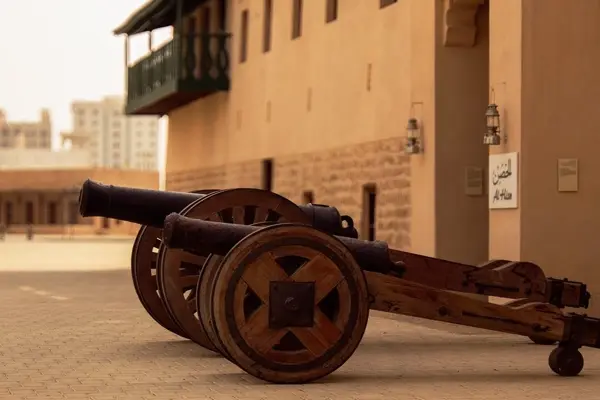
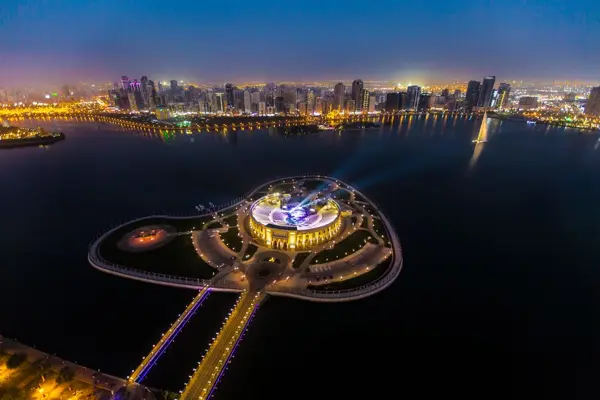
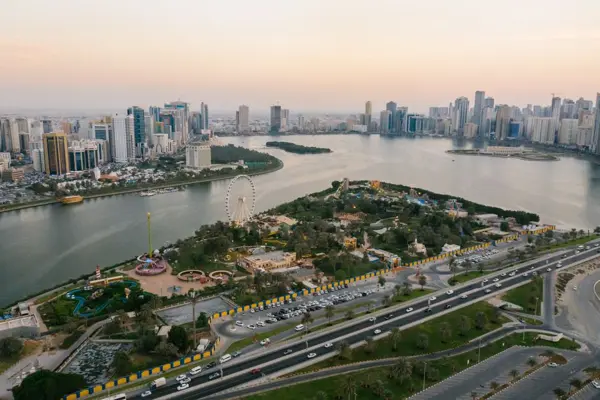
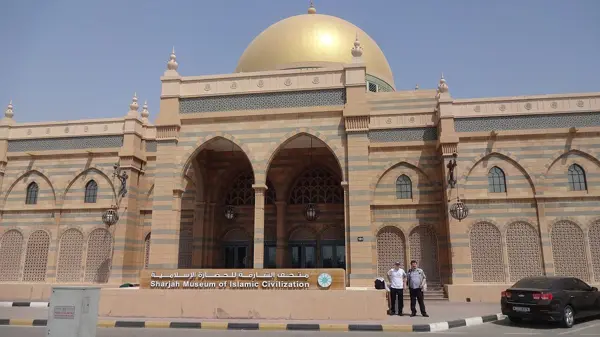
Sharjah edges the shallow turquoise waters of the Arabian Gulf, tucked immediately northeast of Dubai with quiet lagoons cutting deep into its downtown. Walking along the waterfront corniches, you encounter an unhurried, scholarly rhythm distinct from neighboring cities. Breezes carry salt air past restored coral-stone windtowers, while call-to-prayer melodies echo across open squares where families gather beneath the shade of date palms and date vendors arrange their stalls. Ruled by the Al Qasimi dynasty since the eighteenth century, the emirate built its foundation on maritime trade and pearling before prioritizing arts and heritage. In the Heart of Sharjah district, restored coral-and-gypsum lanes preserve historic merchants’ dwellings like Bait Al Naboodah. Just inland, the Sharjah Art Museum displays major twentieth-century Arab painting collections, while the blue-tiled vaults of the Central Souq, completed in 1978, hold vendors trading Bedouin silver and handwoven carpets. Across the lagoon, the contemporary Rain Room installation allows visitors to walk through a constant indoor downpour without getting wet. Daily life centers on Souq Al Jubail, where fishmongers auction the morning Gulf catch alongside mounds of fresh saffron and dried limes. Every February, the Sharjah Light Festival illuminates historic mosques and government facades with kinetic projections, drawing residents to the promenade along Khalid Lagoon. The most comfortable travel window runs from November through March, and because broad expressways separate the cultural quarters, hail the local cream-colored taxis for quick transfers between sights.
Read more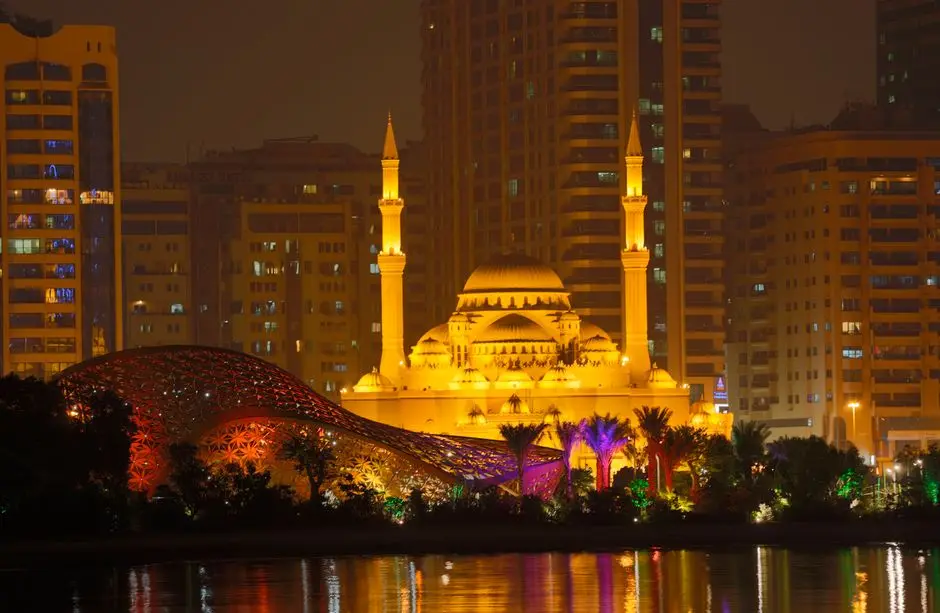
What to see in Sharjah
Travel guides for Sharjah
Photo credits (2)
- Samer.zeton, CC BY-SA 4.0, via Wikimedia Commons
- Soul Train (Oleg Abarnikov), CC BY-SA 3.0, via Wikimedia Commons