Ras Al Khaimah
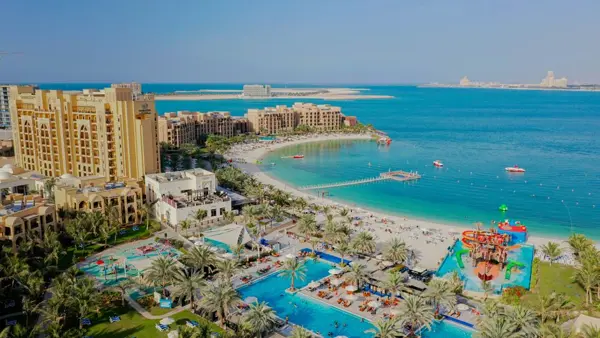
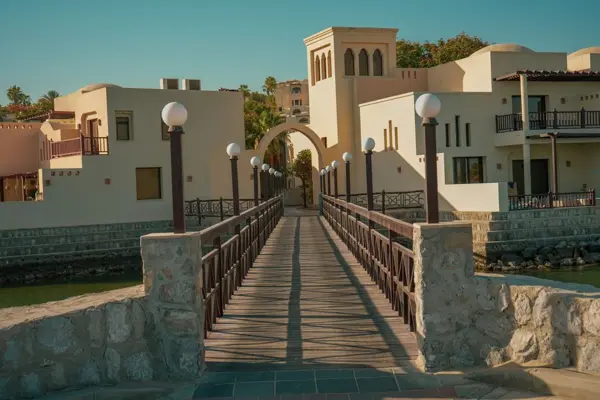
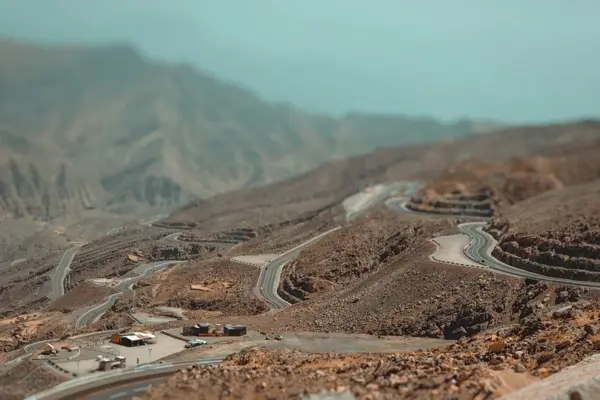
Ras Al Khaimah sits at the northern tip of the United Arab Emirates, pressed between the Arabian Gulf and the jagged limestone wall of the Hajar Mountains. Walking through the older districts along the natural creek, the air smells of brine and dried lime, and wooden dhows rock gently against the stone quays. The pace here runs far slower than in the southern emirates, grounded by date palm oases and terracotta desert dunes that roll down toward the coast. Once known as the trading port of Julfar, the territory preserves deep roots across its rugged terrain. In 1819, British troops stormed Dhayah Fort, a mud-brick hilltop bastion that still looks out over lush date groves toward the sea. South along the coast, Al Jazirah Al Hamra remains an intact ghost town of coral-stone courtyards, abandoned by pearling families during the 1968 oil boom. In town, the National Museum occupies the former fort of the ruling Al Qasimi family, while inland, a paved road ascends Jebel Jais, winding through sheer, barren gorges to the highest point in the country. Evenings center on the old Kuwaiti Souq, where merchants sell cardamom, fabrics, and dried fish. Portside diners order spiced hammour machboos and crisp regag bread with cheese and date syrup. On crisp winter mornings, trainers exercise camels along the red sand tracks of Digdaga. Renting a car is essential, as sights span coastal flats and remote peaks; aim to visit between November and March, when mountain temperatures drop low enough for daylight hiking.
Read more
What's on in Ras Al Khaimah
A fast, flat, world-record-breaking half marathon attracting international distance running stars and passionate enthusiasts along scenic Al Marjan Island.
Official infoEvents are collected automatically from the web. Dates can change, so please check the official information before you travel.