
 New added
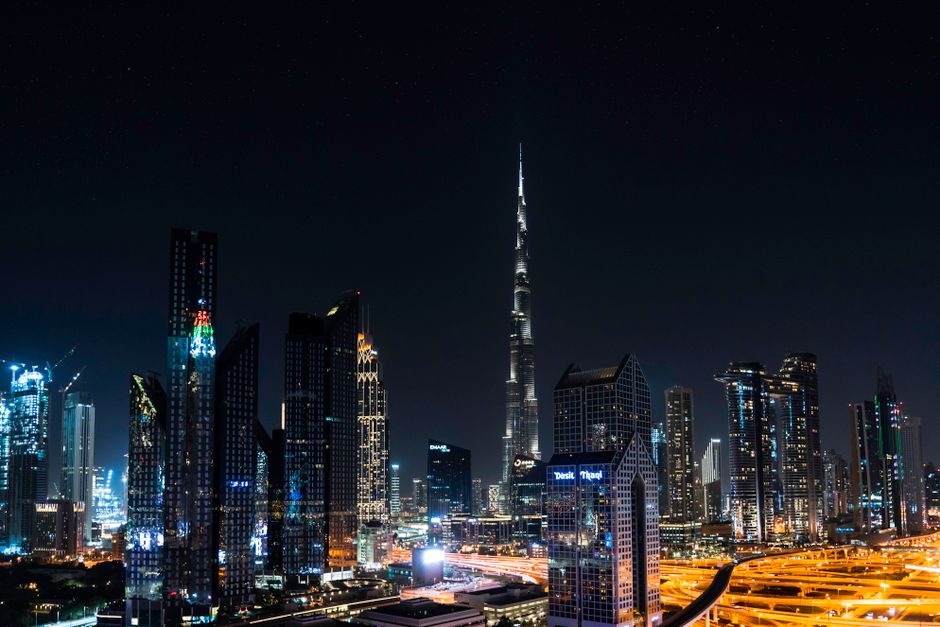
Burj Khalifa
Soaring 828 meters above the Arabian desert, the Burj Khalifa pierced the skyline upon its official inauguration on January 4, 2010, fundamentally redefining high-altitude engineering. Conceived by architect Adrian Smith of Skidmore, Owings & Merrill, the neo-futuristic monolith takes inspiration from the regional spider lily (*Hymenocallis*). Its tripartite, Y-shaped footprint and tiered setbacks temper wind shear as the tower climbs across 163 habitable floors. Wrapped in more than 103,000 square meters of silver reflective glass, embossed stainless-steel panels, and vertical aluminum fins, the tapered spire catches the glare of the desert sun while subtly echoing the spiraling geometry of historic Islamic minarets. Within the tower, double-decker elevators rocket upward at ten meters per second, delivering visitors to the open-air observation terraces on levels 124 and 148. Stepping onto the deck, travelers encounter a disorienting sensation of suspended weightlessness, accompanied by the muffled hum of the sky-high winds. Through floor-to-ceiling glass, the vibrant metropolis beneath collapses into an intricate architectural map: the turquoise jets of the Dubai Fountain resemble miniature ribbons, while the urban highway grid quickly dissolves into the vast, rust-colored dunes of the Arabian Desert on one side and the calm expanse of the Persian Gulf on the other. At dusk, the altitude affords a rare optical luxury: watching the sun vanish beneath the horizon twice within an hour.
More in Dubai
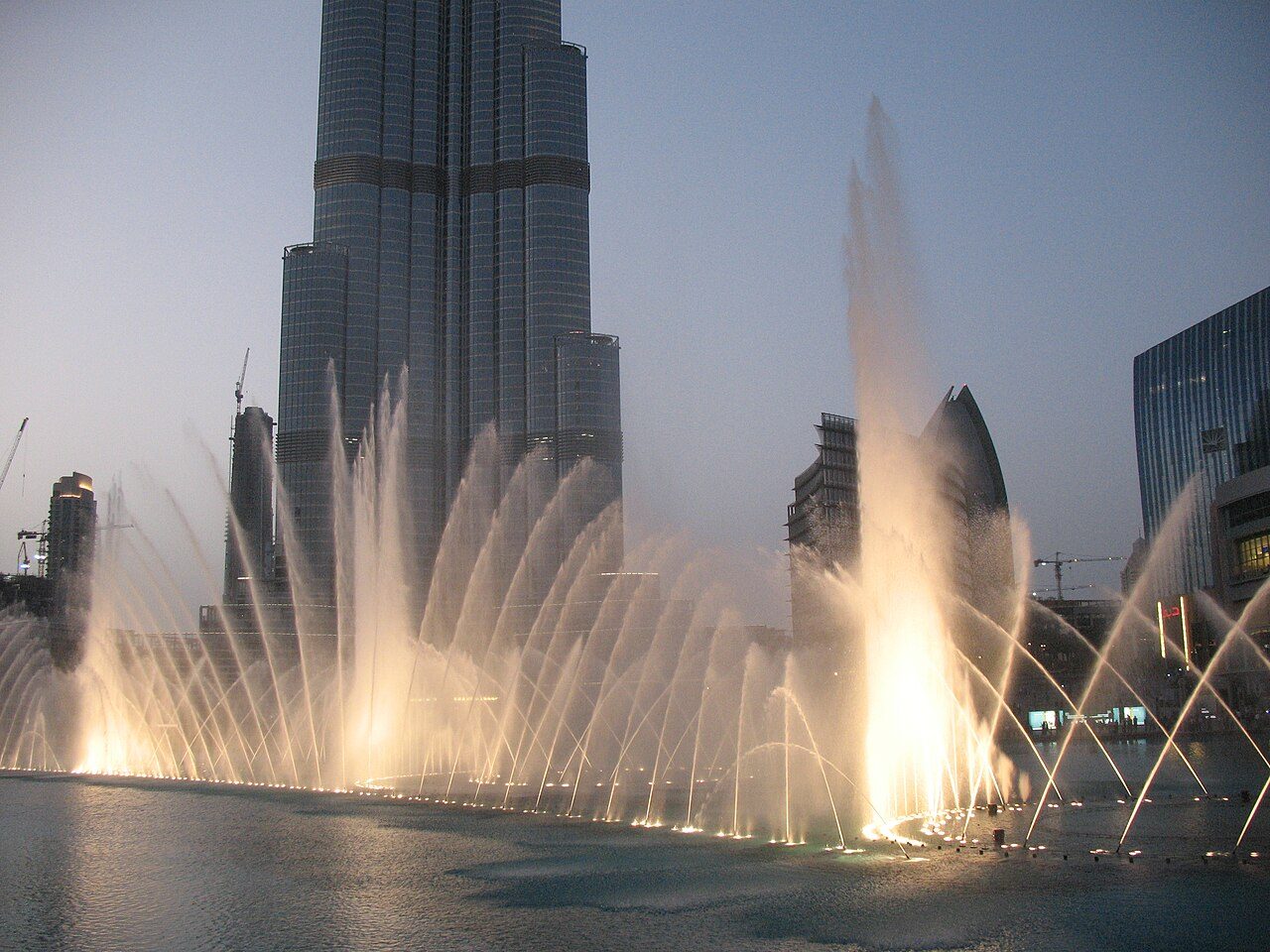
Photo credits (4)
- Renek78, CC0, via Wikimedia Commons
- Nealt, CC BY-SA 3.0, via Wikimedia Commons
- Phil6007, CC BY-SA 4.0, via Wikimedia Commons
- Sachimo, CC BY-SA 4.0, via Wikimedia Commons