Planning a trip to Spain requires balancing historic cities, art capitals, and scenic coastlines. This guide outlines how many days you need and the top routes connecting Madrid, Andalusia, and Barcelona.
An ideal trip to Spain requires between 10 and 14 days to experience the primary highlights without spending your vacation in transit. A 10-day route allows you to comfortably connect Madrid, Andalusia, and Barcelona using high-speed rail lines. If you have only 7 days, it is better to focus strictly on two destinations, whereas 14 to 21 days gives you ample room to add Cordoba, Malaga, or Valencia to your journey.
How Many Days Do You Need in Spain?
Deciding how many days to allocate depends on how deeply you wish to explore each region and how frequently you want to change hotels.
- 7 Days: A week allows for a quick glimpse of Spain. Focus on two central hubs, such as Madrid and Barcelona, or pair Madrid with Seville. Trying to add a third major city in seven days often leads to travel fatigue.
- 10 Days: This is the sweet spot for a classic first-time itinerary. You can spend three days in Madrid, three days exploring Andalusia, and four days soaking in the architecture and coastal atmosphere of Barcelona.
- 14 Days: Two weeks provides a balanced, comprehensive introduction. You can trace a complete arc from central Spain through the historic southern gems of Andalusia, then travel along the coast up to Catalonia.
- 21 Days or More: Three weeks lets you expand into regional exploration. You can add coastal retreats, detour to northern provinces, or spend multiple days discovering smaller cultural centers at a relaxed pace.
Classic 10-Day Itinerary: Madrid, Seville, Granada, and Barcelona
This 10-day route remains the most popular path for travelers who want to absorb Spain's varied architecture, art, and regional traditions.
Days 1 to 3: Madrid
Begin your trip in Spain's capital, a city defined by grand avenues and expansive green spaces. Dedicate your first afternoon to exploring the historic core around Puerta del Sol and walking along the prominent boulevard of Gran Via. Take time to admire the historic civic architecture and sample regional tapas in traditional taverns.
On your second day, focus on the arts. Spend the morning at the Prado Museum, viewing works by Velázquez, Goya, and El Greco. Afterward, take a leisurely stroll through the shaded walkways of Retiro Park. On your third day, book a local guide on Tour & Car to uncover historic neighborhoods or arrange a day excursion to nearby royal towns.
Days 4 to 5: Seville and Cordoba
Board an early high-speed train south into Andalusia. Make Seville your base for two nights. Spend your first afternoon admiring the dramatic tilework and grand semicircular canal at Plaza de España, followed by an evening wandering the winding streets of the old quarters.
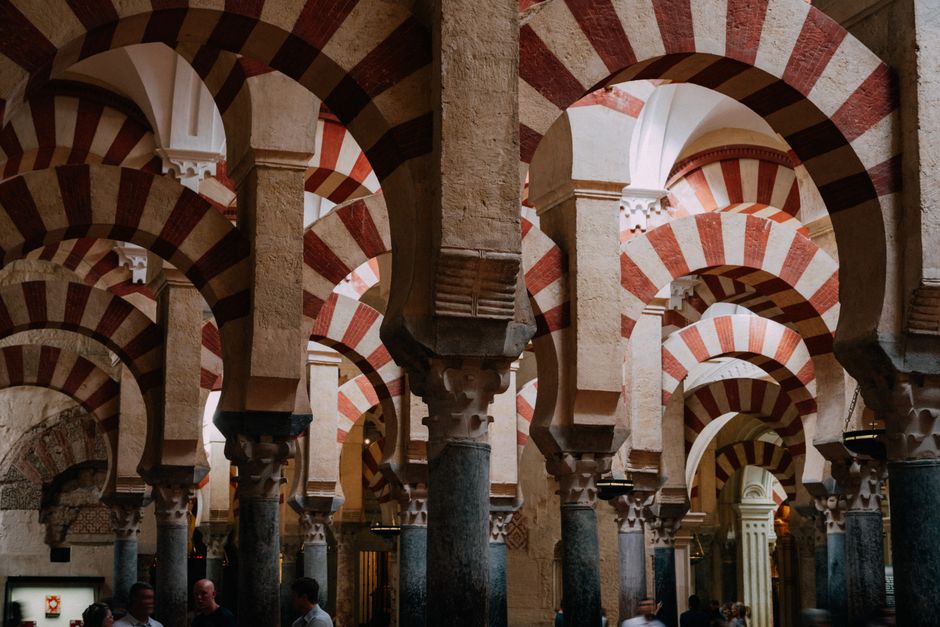
The next morning, tour the ornate Mudéjar halls and lush courtyards of the Real Alcázar. Before leaving Seville, visit the modern wooden canopy of Metropol Parasol for elevated panoramic views across the tiled rooftops. You can also incorporate a stop in Cordoba to visit the Mezquita and walk the whitewashed alleys of the historic Jewish Quarter.
Days 6 to 7: Granada
Travel east to Granada, set against the slopes of the Sierra Nevada. Begin by wandering the hillside lanes of the Albaicín, the historic medieval quarter that looks across the valley to the fortress towers. Visit Granada Cathedral and the adjacent Royal Chapel, where Catholic monarchs Ferdinand and Isabella are interred.
Devote significant time to touring the Nasrid palatial complexes and the tranquil water courts of the Generalife Gardens. The intricate plasterwork, archways, and reflecting pools offer an extraordinary look at Moorish palace design.
Days 8 to 10: Barcelona
Conclude your itinerary by taking a domestic flight or high-speed rail connection to Barcelona. Begin your visit along the tree-lined pedestrian spine of La Rambla before heading into the Eixample district to see the imaginative facade of Casa Batlló.
Spend your ninth day exploring the colorful mosaics and stone viaducts of Park Güell, then admire the illumination at the Magic Fountain. Use your final day to soak in the Mediterranean atmosphere along the waterfront or discover the city's varied culinary markets.
Where to Go: Exploring Spain by Region
If you prefer to tailor your route beyond the classic path, consider focusing on distinct regions that fit your travel priorities.
Andalusia and the South
Southern Spain showcases centuries of overlapping Christian and Islamic heritage. Beyond Seville and Granada, Malaga makes a rewarding coastal base. You can visit the Moorish Alcazaba, walk up to the defenses of Gibralfaro Castle, view masterworks at the Picasso Museum, and relax along the shore at La Malagueta Beach. Nearby Cordoba also features the royal gardens of the Alcázar de los Reyes Cristianos and the archaeological ruins of Medina Azahara.
Eastern Coast and Valencia
Connecting Catalonia to southern Spain along the Mediterranean coast brings you to Valencia. Famed as the birthplace of traditional paella, the city seamlessly balances historic architecture with futuristic design, showcased at the sprawling City of Arts and Sciences.
How to Get Around Spain
Spain possesses one of the most efficient transportation networks in Europe, making multi-city travel fast and straightforward.
- High-Speed Trains: High-speed train lines connect Madrid directly to Barcelona, Seville, Cordoba, and Valencia in just a few hours. Stations are centrally located, minimizing airport transit time.
- Private Drivers: For countryside journeys, direct transfers between southern towns, or customized day trips, booking private drivers on Tour & Car provides door-to-door comfort and flexibility.
- Local Guides: Hiring local guides on Tour & Car in cities like Granada, Seville, and Madrid helps you navigate complex historical quarters and gain deep cultural context without navigating logistics on your own.
Best Time to Visit Spain
Spring (April to June) and autumn (September to November) offer the most pleasant weather across Spain. Southern regions experience intense heat during mid-summer, making sightseeing in July and August demanding in Seville, Cordoba, and Madrid.
Autumn and winter present fewer crowds and notable cultural programming. In autumn 2026, music enthusiasts can attend JAZZMADRID 2026 in the capital. Late autumn brings lively winter events, including the historic Fira de Santa Llúcia in Barcelona and the Mercado de Navidad de la Plaza Mayor in Madrid. Running enthusiasts can also target early December for the Valencia Marathon Trinidad Alfonso Zurich.
Practical Travel Tips for Your Spain Trip
- Adjust to the Daily Rhythm: Lunch is typically served between 1:30 PM and 4:00 PM, while dinner rarely begins before 8:30 PM or 9:00 PM. Many smaller shops still observe afternoon closures.
- Pack Comfortable Footwear: Spain's historic cores are paved with cobblestones and feature steep inclines, particularly in Granada's Albaicín and the old quarters of Toledo and Cordoba.
- Stay Centrally: Selecting stays near main train stations or historic centers will cut down on daily commute times and allow you to explore on foot.