 New added
Albaicín
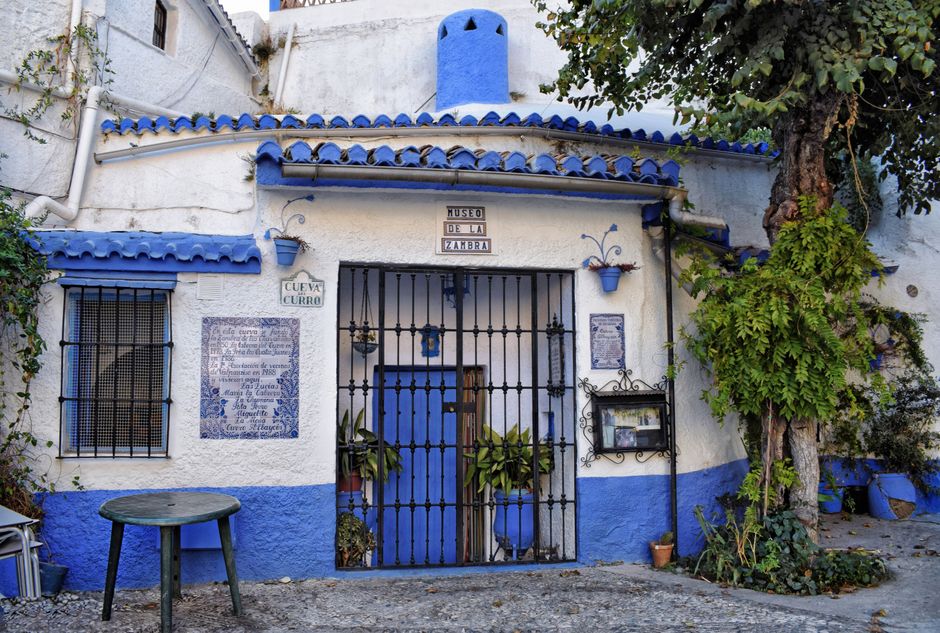
Cascading down the steep hillside opposite the Sabika hill, Granada’s Albaicín stands as the surviving medieval medina of the Zirid and Nasrid dynasties. Established in the eleventh century and expanding until the Catholic monarchs seized the city in 1492, this labyrinthine quarter retains its original Islamic urban topography: tight, angled alleyways engineered to deflect the searing Andalusian sun and confound invading cavalry. Behind stark, whitewashed exterior walls lie secluded *cármenes*—traditional villas framing private orchards and fountains fed by ancient *acequia* water channels. Relics of this Moorish capital punctuate the terrain, from the subterranean brick vaults and star-shaped skylights of the eleventh-century *El Bañuelo* bathhouse to the church of San José, which still incorporates a ninth-century minaret into its bell tower. Navigating the steep inclines, travelers tread upon *empedrado granadino*, tactile pavements crafted from smooth black and white river pebbles, while the aroma of bitter orange blossoms and jasmine spills over walled courtyards. The climb through the quiet, shaded corridors culminates at the vibrant flagstone plaza of the Mirador de San Nicolás. Standing before the church balustrade, visitors are met by the percussive resonance of busking flamenco guitarists and a dramatic panorama across the Darro gorge: the ochre ramparts of the Alhambra glowing red against the jagged, snow-dusted ridges of the Sierra Nevada.