Cordoba
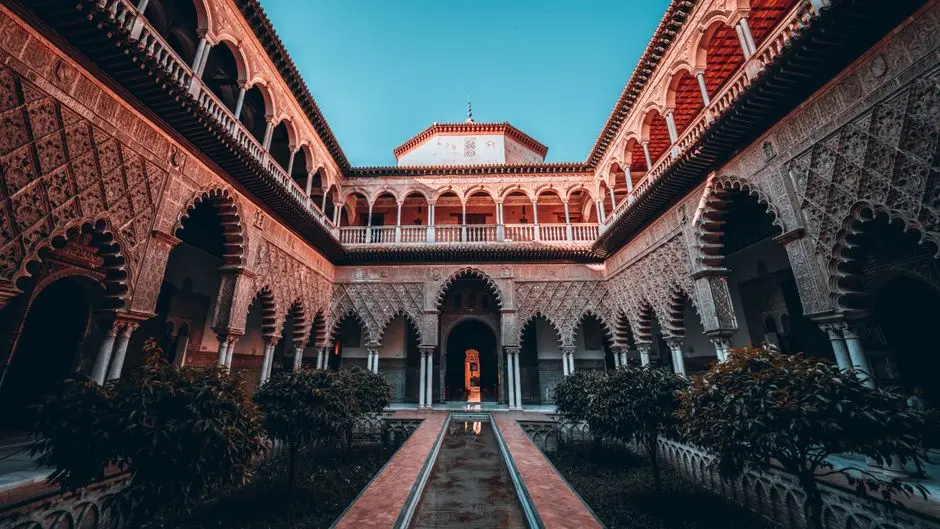
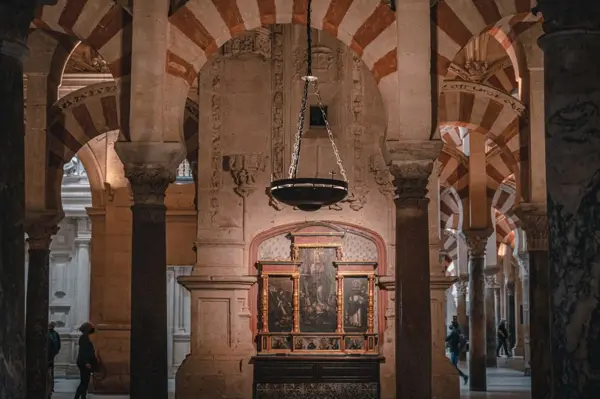
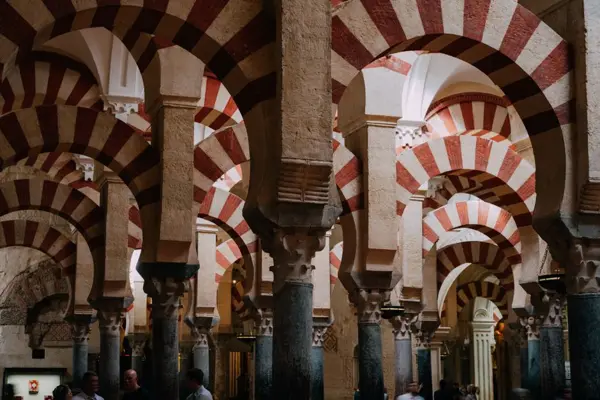
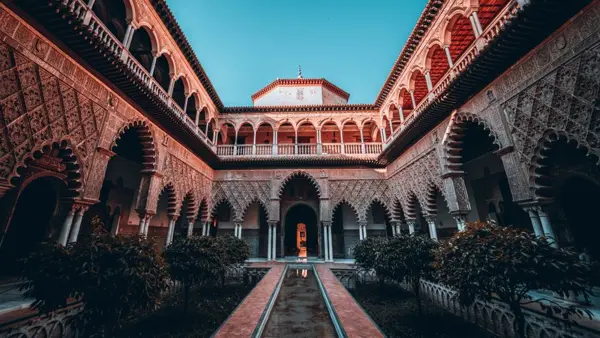
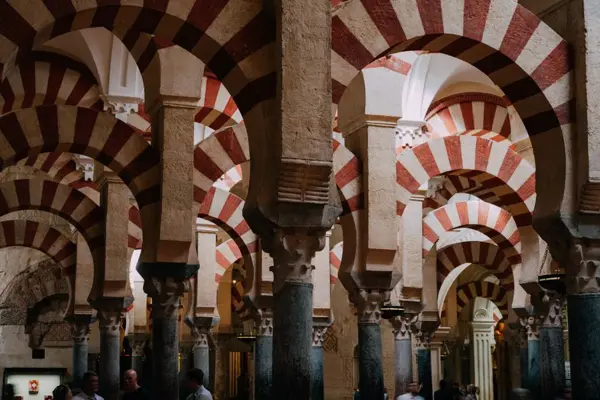
Resting along a wide bend of the Guadalquivir River beneath the foothills of the Sierra Morena, Cordoba embodies the quiet rhythm of inland Andalusia. Walking through its historic core feels intimate and shaded, guided by narrow, winding alleys surfaced with smooth river stones. Heavy wooden doors often stand ajar, revealing cool tiled hallways and secluded courtyards lined with terra-cotta pots of bright geraniums, while the scent of bitter orange blossoms drifts from quiet plaza corners. Established as a Roman colony before expanding into the intellectual center of Islamic Spain under the Umayyad Caliphate in 756, the city reflects layers of distinct cultures. At its center stands the Mezquita, founded by Abd al-Rahman I in 785, renowned for its expansive prayer hall of bicolored horseshoe arches enclosing a towering sixteenth-century Renaissance cathedral nave. Just west lies the Juderia, a medieval quarter preserving a rare fourteenth-century Mudejar synagogue, while the nearby Alcazar de los Reyes Cristianos features terraced water gardens beside ancient defensive ramparts. Down along the river, the Roman Bridge spans the water with sixteen stone arches connecting the center to the Calahorra Tower. Daily life revolves around the table, where taverns serve bowls of chilled salmorejo topped with cured serrano ham and boiled egg, alongside fried aubergine ribbons drizzled with cane honey. Every May, the city celebrates the Fiesta de los Patios, during which residents throw open their private floral courtyards to the public. Cordoba is best navigated entirely on foot, and travelers should visit in spring or autumn to avoid the intense summer heat, exploring the historic streets early in the morning.
Read more