
Seville
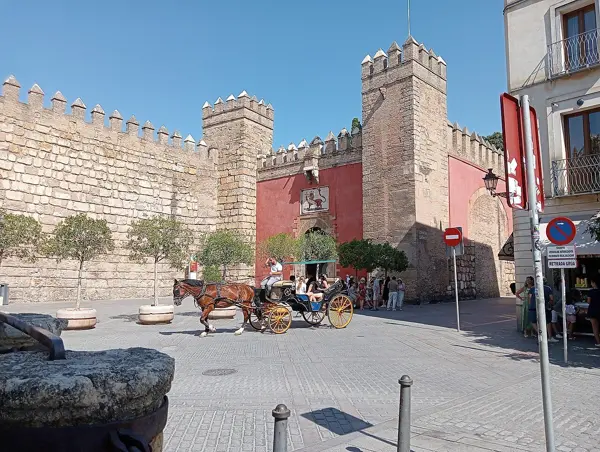
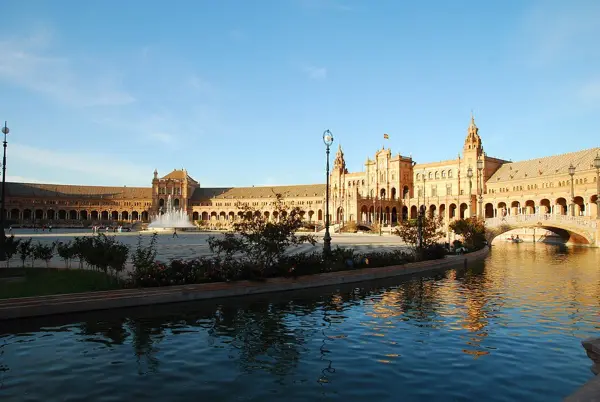
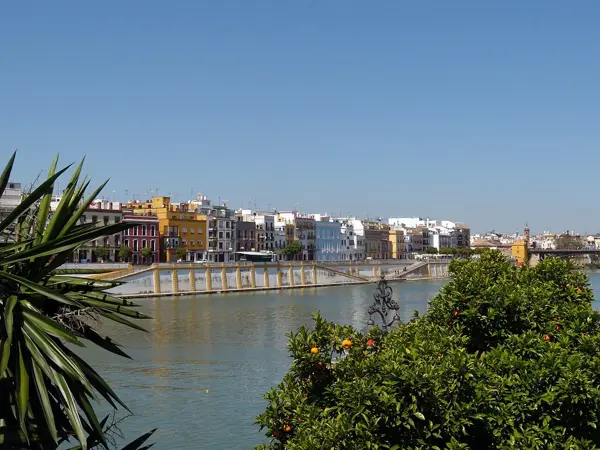
Spanning the fertile plain along the Guadalquivir River in southwestern Andalusia, Seville greets walkers with the scent of bitter orange blossoms and the welcome shade of lime-washed alleys. Sunlight reflects off ceramic tiles set into building facades, and quiet, stone-paved passages repeatedly open into neighborhood plazas cooled by central fountains and leafy canopies. Centuries of cultural exchange defined the urban core, especially after Ferdinand III captured the city in 1248 and sixteenth-century trade monopolies established it as the primary Spanish port to the Americas. The Real Alcázar showcases intricate Mudéjar plasterwork beside sunken water gardens, while the neighboring Gothic cathedral incorporates the Giralda, a twelfth-century Almohad minaret converted into a bell tower. Just east, the tangled lanes of Barrio Santa Cruz recall the medieval Jewish quarter, while the riverside neighborhood of Triana retains its independent identity built on artisan ceramics and flamenco heritage. Evenings revolve around neighborhood taverns, where locals stand at counters to share small plates of espinacas con garbanzos, paper cones of fried dogfish, and chilled glasses of manzanilla sherry. While spring brings the elaborate spectacles of Semana Santa and the tented celebrations of the Feria de Abril, the city is appealing throughout the cooler months from October to April. Summer afternoon heat routinely exceeds forty degrees Celsius, so travelers do best to explore early in the morning or late at night, covering the flat center easily on foot or by using the public Sevici bicycle network.
Read more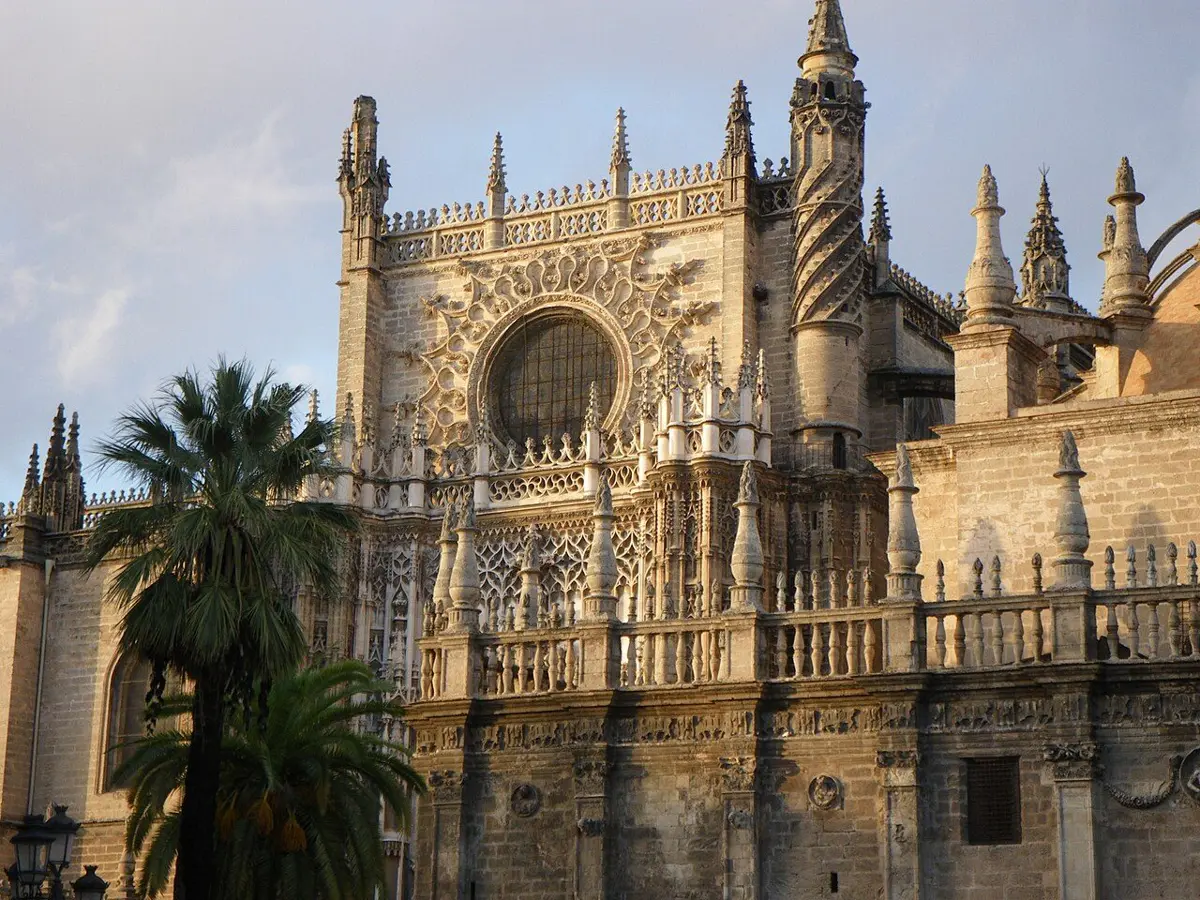
What to see in Seville
Travel guides for Seville
Photo credits (5)
- Weldon Kennedy from London, UK, CC BY 2.0, via Wikimedia Commons
- Holger Uwe Schmitt, CC BY-SA 4.0, via Wikimedia Commons
- BuzzerLone, CC BY 4.0, via Wikimedia Commons
- Andrei Dimofte from Stuttgart, Germany, CC BY 2.0, via Wikimedia Commons
- Gzzz, CC BY-SA 3.0, via Wikimedia Commons