This comprehensive guide for first-time visitors covers essential routes across Tokyo, Kyoto, and Osaka, along with practical navigation and cultural tips. Learn how to plan your itinerary, connect with local guides, and experience historic shrines, castles, and local cuisine.
For first-time visitors, planning a trip to Japan requires balancing the modern urban transit systems of Tokyo and Osaka with the preserved cultural centers of Kyoto. An ideal inaugural route focuses on the central corridor of Honshu before branching out to regional hubs like Hiroshima or Fukuoka. Navigating the country is straightforward thanks to punctual railway systems, walkable neighborhoods, and a hospitality culture rooted in omotenashi.
Nearly three-quarters of the Japanese archipelago consists of steep, forested mountains that plunge directly toward rocky coasts and inland seas. Between the volcanic plateaus of the north and subtropical southern islands lies the main island of Honshu. Here, high-speed rail lines bridge the gap between neon-lit commercial districts and ancient artisan towns where centuries-old traditions remain part of everyday life.
Key Cities to Visit on a First Trip
Most travelers begin their journey in Tokyo. The capital functions as an intricate expanse of high-rises and quiet residential lanes. You can walk among historic timber structures in the morning and navigate towering commercial avenues by evening.
A few hours west on the shinkansen brings you to Kyoto, the former imperial capital. Kyoto preserves the architectural legacy of the Heian court through classical wooden temples, moss gardens, and preserved entertainment quarters.
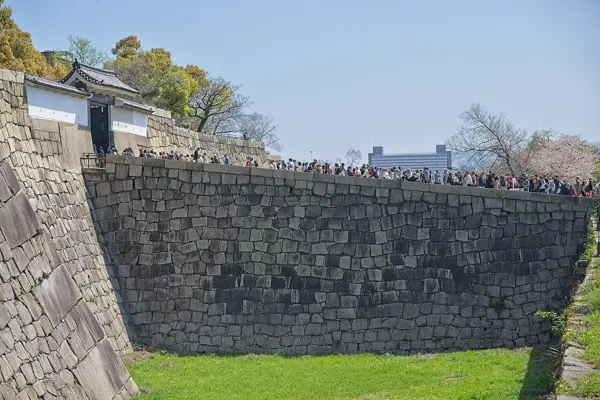
Directly southwest of Kyoto sits Osaka, renowned for its candid merchant heritage and vibrant food culture. Osaka offers an energetic counterpoint to Kyoto’s quiet temple grounds, featuring bustling canal districts and historic fortress walls.
If you have extra days, consider continuing west to Hiroshima to reflect on modern history and coastal shrines, or head south to Fukuoka, an ancient gateway to mainland Asia known for lively open-air food stalls.
Classic Sights and Historic Landmarks
Every prefecture in Japan features historical landmarks that highlight distinct eras, from the feudal Sengoku period to post-war reconstruction.
Architectural Icons of Tokyo
In the capital, visit the Imperial Palace, which stands on the site of the former Edo Castle, surrounded by moats and stone walls. Nearby in Shibuya, Meiji Shrine offers a calm stroll through the forest around a shrine dedicated in 1920 to Emperor Meiji and Empress Shōken. To view the vast urban sprawl from above, Tokyo Tower rises above the Minato district as a classic landmark of Japan’s mid-century economic resurgence.
Palaces and Shrines of the Kansai Basin
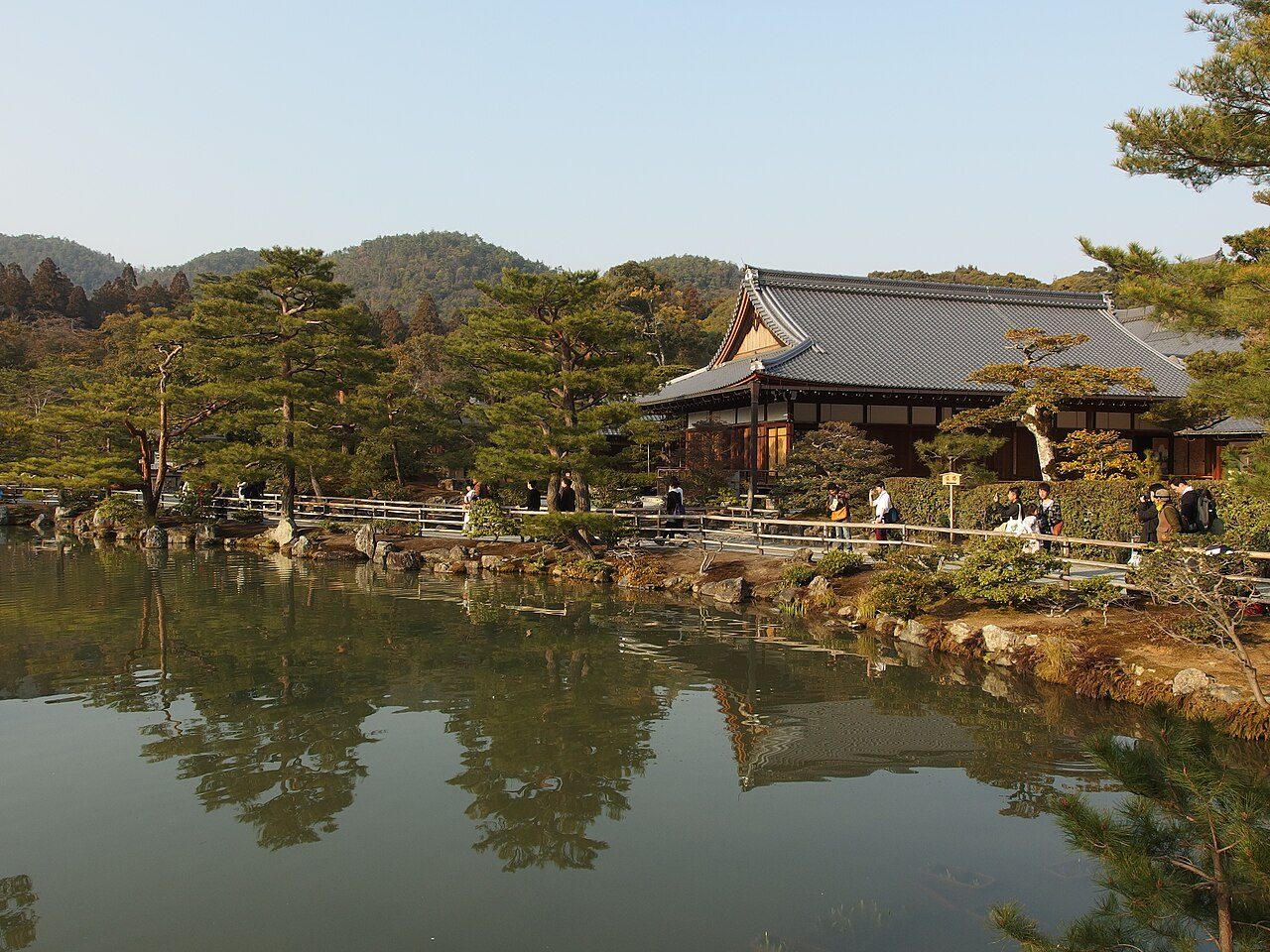
In Kyoto, Kinkaku-ji, also known as the Golden Pavilion, reflects Muromachi-era design alongside its surrounding mirror pond. Nearby, Nijo Castle built for the Tokugawa shoguns, is known for its ornate palace interiors and squeaking "nightingale" floors. Wander the stone-paved lanes of the Gion District near the Kamo River and Yasaka Shrine, lined with traditional wooden machiya townhouses.
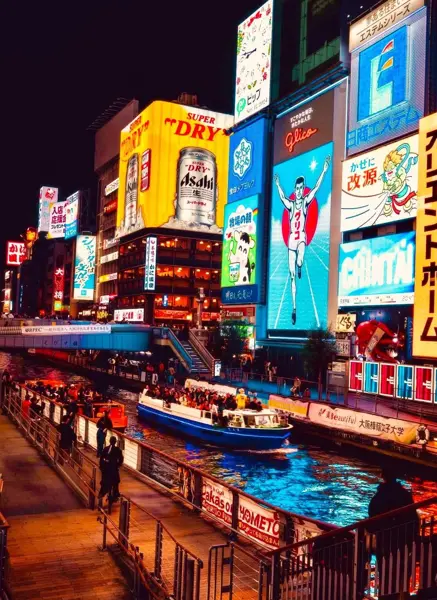
In Osaka, explore Osaka Castle, first built in the late sixteenth century by Toyotomi Hideyoshi (today's main keep is a twentieth-century reconstruction). Later in the evening, walk along the historic canal of Dotonbori to experience towering illuminated signboards and local street snacks.
Hiroshima's Coastal Heritage
In Hiroshima, visit the Itsukushima Shrine on the tidal flats of Miyajima, recognized for its gate that appears to float on the water during high tide. Within the city center, the Peace Dome Hiroshima stands as an enduring symbol of resilience and peace.
How to Get Around Japan
Japan possesses one of the world's most reliable and comprehensive transit networks. Shinkansen (bullet trains) link Honshu's major metropolitan areas with high frequency, making city-to-city transfers fast and predictable.
For regional and city travel, municipal subway networks and commuter train lines reach nearly every neighborhood. Purchasing a rechargeable contactless transit card allows you to tap in and out across buses, trains, and even pay for small purchases at station kiosks.
Taxis are easily hailed in major cities, featuring automatic doors and polite drivers. If you prefer door-to-door transit between regional destinations or airport transfers, private transport services provide seamless point-to-point connections.
Trip Costs and Booking Options
Daily expenses in Japan can vary depending on your choice of dining and lodging. Mid-range business hotels and family-run minshuku provide affordable, clean accommodations, while traditional ryokan inns offer elevated stays that include seasonal multi-course meals.
Booking guided experiences helps travelers decode regional cuisine and neighborhood history without getting lost. For instance, you can book the Discover Osaka tour on Tour & Car from $50 for a 4-hour guided group walking tour covering neighborhood heritage, local markets, and classic street food. To plan personalized days in other cities, you can connect directly with local guides in Japan through the marketplace.
Best Time of Year to Visit
Japan has four distinct seasons, each offering completely different weather patterns and scenery. Spring and autumn are the most popular travel periods due to temperate conditions.
- Spring (March to May): Cool mornings and pleasant afternoons make this an ideal time for walking tours. Cherry blossoms sweep across the country from south to north, accompanied by outdoor park gatherings.
- Summer (June to August): Expect hot, humid days and lively neighborhood festivals. In Fukuoka and Kyoto, local shrines host traditional music and food vendors throughout the warmer months.
- Autumn (September to November): Crisp air and stable weather make autumn favored by outdoor enthusiasts. Fiery maple foliage blankets temple gardens from Kyoto to Hiroshima.
- Winter (December to February): Colder weather brings smaller crowds to central Honshu, alongside extensive city light installations such as the Marunouchi Illumination in Tokyo and the Midosuji Illumination in Osaka. Northern regions receive heavy snowfall, setting the stage for Sapporo's winter events.
Recommended 7 to 10 Day Itinerary
A one-week to ten-day journey allows you to experience Japan's key historical and urban centers without feeling rushed.
- Days 1–3: Tokyo. Arrive and orient yourself in central Tokyo. Visit Meiji Shrine in the morning, browse the gardens of Shinjuku, and view the skyline from Tokyo Tower.
- Days 4–5: Kyoto. Board the morning shinkansen to Kyoto. Tour the grounds of Nijo Castle, admire Kinkaku-ji, and stroll through the Gion District before enjoying a traditional tea ceremony.
- Days 6–7: Osaka. Take the short commuter train to Osaka. Explore the moats of Osaka Castle, sample street food in Dotonbori, and join a guided neighborhood walking tour.
- Days 8–10 (Optional Extension): Hiroshima or Fukuoka. Continue west on the rail network to tour Hiroshima Castle and the Peace Dome, or head south into Kyushu to explore the shrines and evening food stalls of Fukuoka.
Practical Tips for First-Time Travelers
Understanding local daily customs will ensure your journey runs smoothly across public spaces, dining establishments, and hotels.
- Carry Cash: While digital tap payments and credit cards are widely accepted in urban department stores, traditional market stalls, rural buses, and temple kiosks still rely on paper yen and coins.
- Waste Management: Public trash bins are rare on street corners. Carry a small plastic bag in your daypack to hold personal trash until you return to your hotel room or find a recycling bin next to a beverage vending machine.
- Footwear Etiquette: You will frequently need to remove your shoes when entering shrines, ryokan accommodations, and traditional restaurants with tatami flooring. Wear slip-on shoes and clean socks.
- Escalator Etiquette: Follow regional customs on train station escalators. In Tokyo, commuters stand on the left and pass on the right, whereas in Osaka, people typically stand on the right.
Plan It With Local Experts
The easiest way to turn this plan into a real trip is to travel with people who live there. On the [Japan country page](https://tourecar.com/country/Japan#partners) you will find the local travel agencies, guides, drivers, stays and road cafés working with Tour & Car in Japan. Book directly with a small deposit online, pay the rest on the day, and enjoy 72 hours of free cancellation.