 New added
Nijo Castle
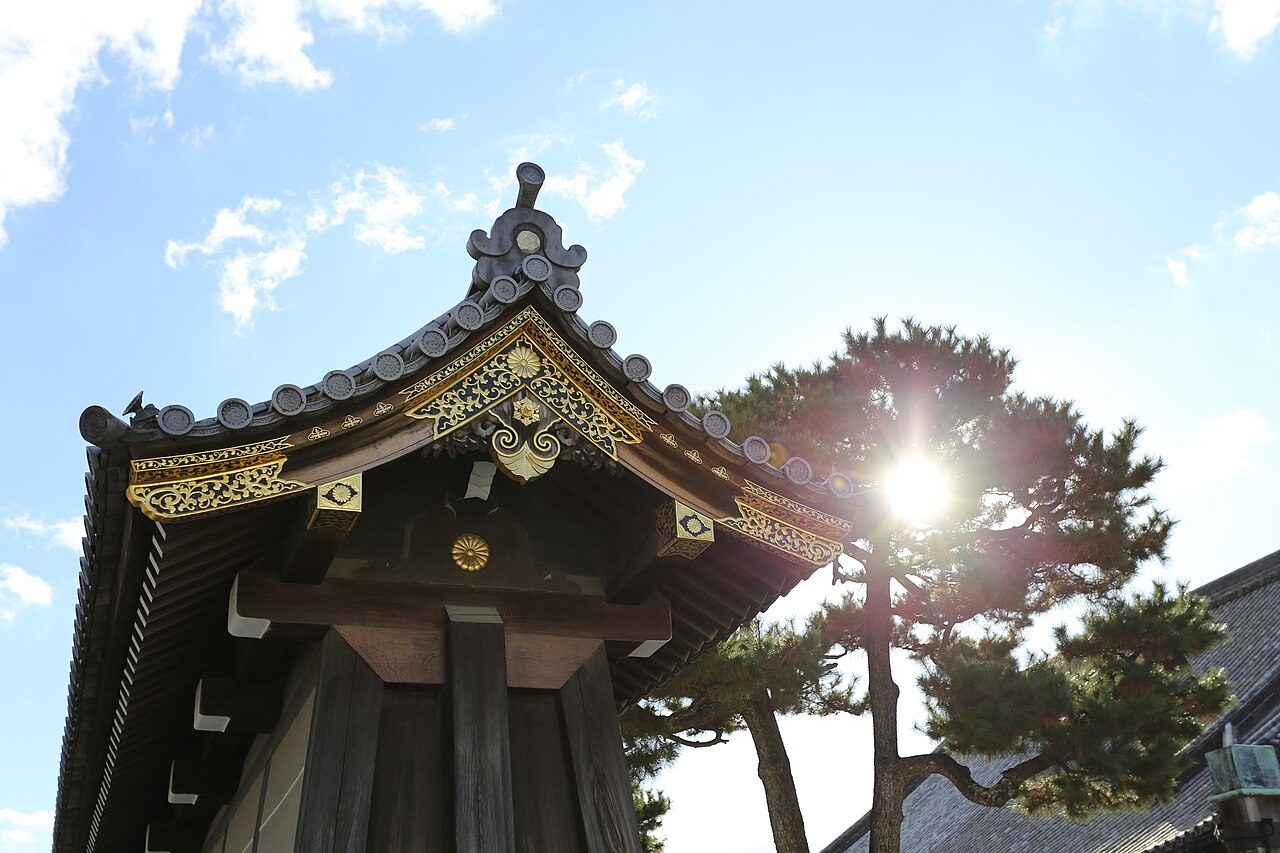
Commissioned in 1603 by Tokugawa Ieyasu to assert the shogunate’s supremacy over the imperial court, Nijo Castle spans twenty-seven hectares encircled by deep moats and cyclopean stone ramparts. It bookends the entire Edo era: here, Ieyasu celebrated his ascension, and within these same halls in 1867, the final shogun, Tokugawa Yoshinobu, relinquished political authority back to the Emperor. Approaching the Ninomaru Palace, visitors pass beneath the Karamon, an opulent gate encrusted with gold leaf, carved peacocks, and floral motifs showcasing Momoyama-era bravura. Beyond this portal lies a masterpiece of *shoin-zukuri* architecture, its thirty-three interconnected chambers wrapped in dazzling Kano School murals of predatory tigers and gnarled pine trees. Walking the palace’s perimeter in stockinged feet, travelers activate the legendary *uguisubari*, or nightingale floors. Engineered as an acoustic defense against assassins, metal brackets beneath the cypress planks scrape rhythmically under pressure, filling the quiet corridors with a haunting, bird-like chirp. The dry perfume of aged cedar and tatami reeds permeates the air as the path traces the Ōhiroma (Grand Audience Hall), where feudal daimyos once prostrated themselves before the elevated shogun beneath coffered ceilings. Outside, the militaristic tension dissolves into the adjacent Ninomaru Garden, sculpted by landscape master Kobori Enshu, where jagged rock arrangements and manicured pines reflect peacefully across a central pond.