Kyoto
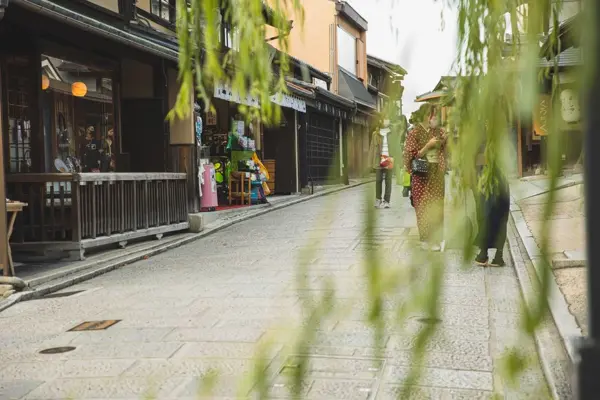
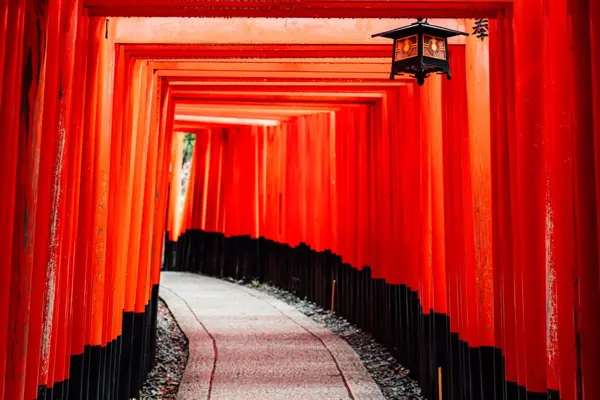
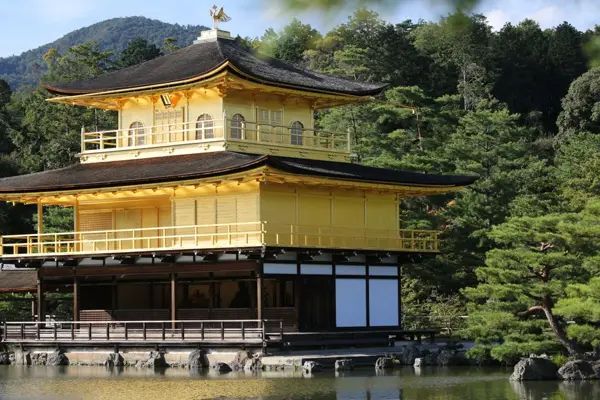
Kyoto rests in a mountain basin in the Kansai region, bordered on three sides by forested hills and bisected by the shallow Kamo River. Walking its historic grid reveals an intimate juxtaposition of eras: low-rise cedar machiya townhouses sit quietly beside modern residential alleys, temple incense drifts into the morning air, and the scrape of raked gravel echoes behind mossy stone walls. Established in 794 as Heian-kyo by Emperor Kanmu, the city served as the imperial seat for over a millennium. That heritage remains tangible across distinct quarters. In the northern hills, Kinkaku-ji reflects its top floors of pure gold leaf onto an adjoining pond, while in Gion, stone-paved lanes retain the preserved wooden facades of working geisha teahouses. Southward, thousands of vermilion torii gates climb Mount Inari at Fushimi Inari-taisha, each individual post donated by patrons seeking prosperity. Culinary life centers on Nishiki Market, a narrow covered arcade showcasing seasonal obanzai home cooking, dashi stock, and salted tsukemono pickles. Every July, neighborhoods celebrate the Gion Matsuri, rolling towering wooden floats through central avenues to ward off illness. To experience the quiet rhythm of the city, explore shrine grounds at sunrise before midday crowds arrive, and rent a bicycle to travel along the flat riverbanks rather than waiting for crowded city buses.
Read more
What's on in Kyoto
Exclusive public access to normally private temple halls, ancient Buddhist statues, historical tea houses, and heritage garden grounds.
Official infoHistoric thatched farmhouses illuminated with soft lanterns and LED lights in snowy rural Kyoto, offering folk dance and mochi pounding.
Official infoEvents are collected automatically from the web. Dates can change, so please check the official information before you travel.