First-time travelers to Vietnam can explore vibrant cities, tranquil heritage towns, and mountain heights along an easy North-to-South corridor. This guide details where to go, how to budget, and essential logistics for a seamless journey.
Planning a first trip to Vietnam involves choosing between a northbound or southbound route connecting vibrant capitals, coastal trade ports, and mountain valleys. Most first-time travelers spend between ten and fourteen days exploring core hubs like Hanoi, Da Nang, Hoi An, and Ho Chi Minh City. This practical guide covers itinerary design, transit logistics, cultural customs, and realistic trip planning to help you navigate your journey with confidence.
Top Regions to Visit in Vietnam
Vietnam's geography stretches over an elongated S-curve, dividing naturally into three distinct geographic and cultural zones: North, Central, and South. Each area offers a different slice of history, cuisine, and scenery.
Northern Vietnam: Culture and Mountain Peaks
Northern Vietnam serves as the nation's political and historical anchor. The capital city of Hanoi is characterized by leafy boulevards, roadside coffee stalls and landmarks such as the centuries-old One Pillar Pagoda and the Ho Chi Minh Mausoleum. Travelers interested in French colonial history and wartime resilience will find profound exhibits at Hoa Lo Prison.
Further north, Sa Pa rises into the mist-covered Hoang Lien Son range. Here, visitors can see terraced rice fields cultivated by indigenous communities and ascend to Fansipan, often called the Roof of Indochina, at a little over 3,100 meters.
Central Vietnam: Coastal Towns and Imperial Heritage
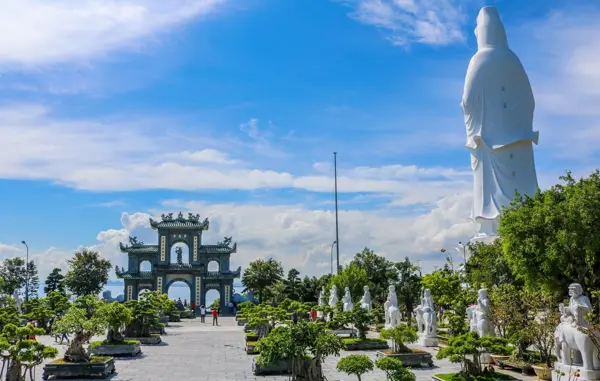
Central Vietnam brings together tranquil beaches and architectural relics. In Da Nang, wide coastal roads line My Khe Beach, while the sacred limestone peaks of Marble Mountains house Buddhist grottoes and hillside shrines. Bridges span the Han River, including the modern Dragon Bridge, which puts on a fire-and-water show on some weekend evenings.
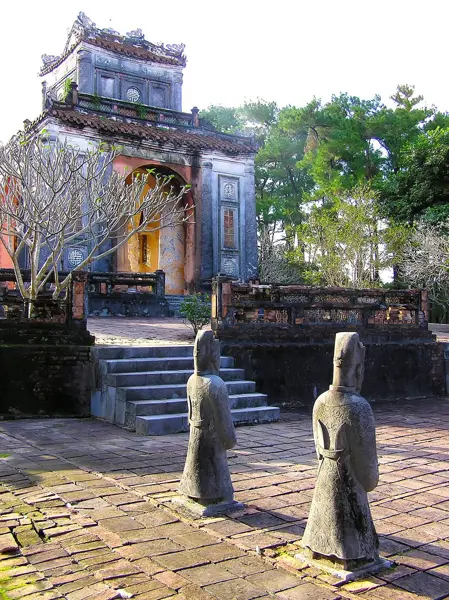
Just down the coast sits Hoi An. Its well-preserved Ancient Town displays pedestrian-only lanes strung with silk lanterns, heritage shophouses like Tan Ky House, and the historic Japanese Bridge. Further north along the coast, the Imperial City of Hue displays majestic royal compounds, the riverside Thien Mu Pagoda, and the elaborate tombs of emperors Tu Duc and Khai Dinh.
Southern Vietnam: Energy and Historic Tunnels
Southern Vietnam pulses around Ho Chi Minh City, the country's economic powerhouse. The city center features landmark French colonial architecture, such as the Saigon Central Post Office, situated alongside the modern Independence Palace and the poignant War Remnants Museum. Just outside the city, the underground network of the Cu Chi Tunnels reveals the subterranean tactics used during the resistance wars.
Sample 10 to 14 Day Itinerary
For a first journey, moving progressively in one direction minimizes backtracking and keeps transport straightforward.
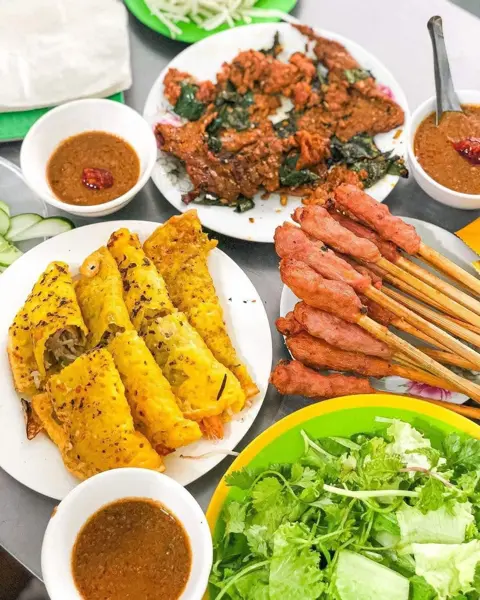
- Days 1–3: Hanoi. Explore the Old Quarter on foot, visit historical landmarks, and sample local street culinary staples such as pho and egg coffee.
- Days 4–5: Northern Excursion. Take a side journey north to Sa Pa for alpine valley hiking, or venture into the limestone river landscapes of northern national parks.
- Days 6–9: Central Coast. Fly or take the train to Da Nang and transfer to Hoi An. Dedicate your mornings to heritage walks and afternoons to beach visits or cycling around nearby villages.
- Days 10–13: Ho Chi Minh City. Travel south to explore city landmarks, visit local markets, and take a day excursion to the Cu Chi Tunnels.
- Day 14: Departure. Shop for souvenirs or enjoy a final southern coffee before heading to the international airport.
How to Get Around
Getting between distant regions is simple thanks to domestic flight connections linking Noi Bai International Airport in Hanoi, Da Nang International Airport, and Tan Son Nhat International Airport in Ho Chi Minh City. Domestic flights save substantial travel time when moving between the north, center, and south.
For regional travel between adjacent cities—such as Hue and Da Nang, or Da Nang and Hoi An—road transport is the most flexible choice. Booking a private car or a licensed local guide in Vietnam allows you to stop at coastal viewpoints and mountain passes without the stress of navigating unfamiliar roads. Within cities, ride-hailing apps provide clear upfront pricing and remove language barriers with drivers.
Costs and Budgeting for First Timers
Vietnam remains an accessible destination that accommodates both budget backpackers and luxury travelers. Major daily expenses revolve around internal transportation, activities, and dining.
Street food stalls and casual local eateries offer incredible value, while mid-tier sit-down restaurants provide comfortable air-conditioned dining at reasonable rates. Private tours add structure without high costs: on Tour & Car, private excursions in Central Vietnam start from $37 per group. For example, you can book the Da Nang: Michelin Food Tour with Vietnamese Coffee Culture (3 hours, $37 per group), which covers an immersive culinary walk through city markets and tasting stops. If you prefer cultural highlights, the Da Nang: Lady Buddha & Marble Mountains Sunrise Tour is bookable on Tour & Car for $38 per group (4 hours, early-morning private tour).
Credit cards are widely accepted at hotels and established shops in major cities, but physical Vietnamese Dong is still essential for traditional street vendors, local markets, and smaller rural stops. ATMs are abundant across all urban centers.
Best Time of Year to Visit
Because Vietnam spans multiple climatic zones, weather conditions differ substantially from north to south at any given time.
- North (Hanoi, Sa Pa): Experiences distinct seasons. November to April tends to be cooler and drier, while summer months bring heat and rainfall. Sa Pa can be chilly during winter.
- Center (Da Nang, Hoi An, Hue): Enjoys warm, dry conditions from February to August. The autumn months bring occasional storms and elevated rainfall.
- South (Ho Chi Minh City): Features a tropical climate divided into two periods: a dry season running roughly from November to April, and a warm rainy season with short afternoon showers from May to October.
Planning around local festivals can add rich cultural experiences to your itinerary. Once a month, around the full moon, Hoi An holds its Lantern Festival evening, when many shops dim their electric lights and paper lanterns glow along the river - check the lunar calendar before you go.
Essential Tips for First-Time Visitors
- Dress respectfully at religious sites: Modest clothing covering shoulders and knees is expected when entering temples, pagodas, and mausoleums.
- SIM cards and connectivity: Pick up a local travel SIM card or configure an eSIM upon arrival at major airports to ensure continuous navigation and translation access.
- Currency handling: Polymer bank notes can stick together when brand new. Double-check your bills when making cash transactions, especially between similar-looking denominations.
- Tap water: Avoid drinking unfiltered tap water. Stick to sealed bottled water or filtered carafes provided by reputable hotels.
- Pacing your days: Vietnam is warm and lively. Schedule sightseeing early in the morning and late in the afternoon, leaving the hottest midday hours for museum visits or relaxed cafe stops.
Plan It With Local Experts
The easiest way to enjoy Vietnam on a first trip is with people who live there. On our Vietnam country page you will find local travel agencies, guides, private drivers, places to stay and road cafés, with tours you can book directly - pay a small deposit online and the rest on the day. Free cancellation up to 72 hours before.