 New added
Ancient Town
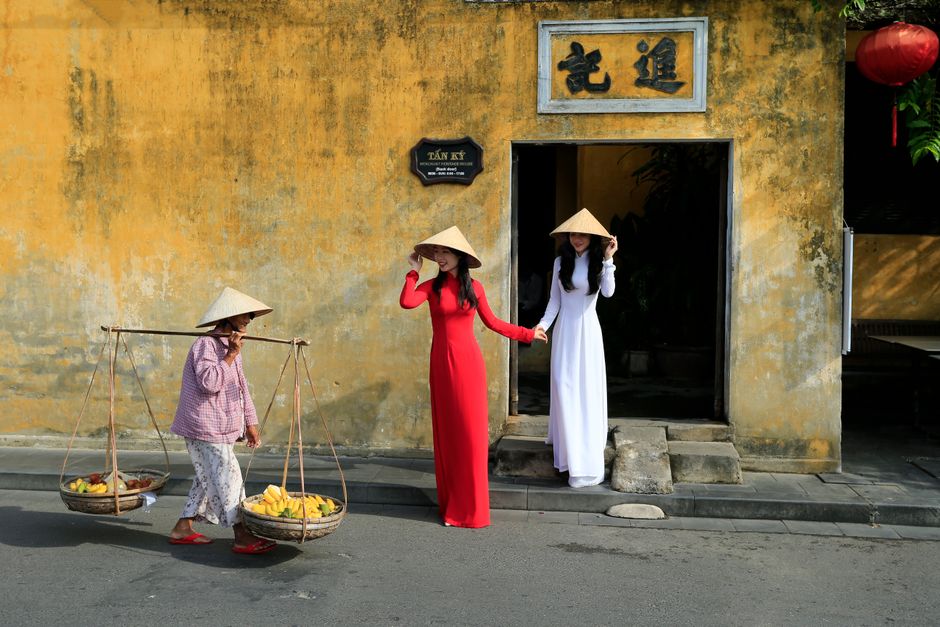
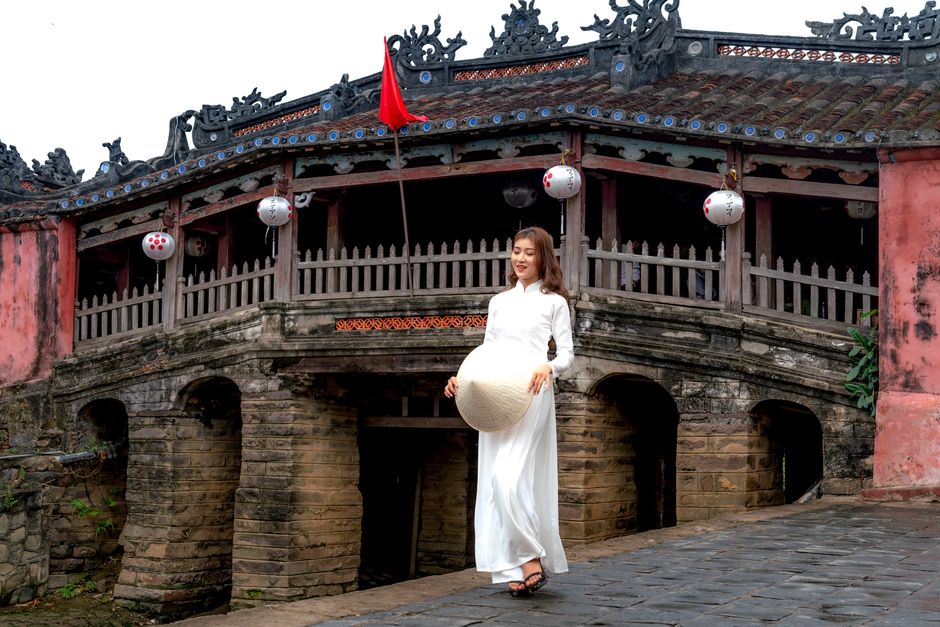
Rooted along the banks of the Thu Bồn River, Hoi An flourished between the 15th and 19th centuries as a premier Southeast Asian spice-and-silk trading emporium, sustained by Chinese, Japanese, and European merchants under the governance of the Nguyễn lords. The town’s architectural fabric survives as a remarkably intact maritime tapestry: two-story timber-frame shophouses coated in radiant mustard-yellow lime wash, capped with moss-softened *yin-yang* terracotta roof tiles. Anchoring the western approach stands the iconic Japanese Covered Bridge (Chùa Cầu), constructed in the 1590s with weathered timber archways and guardian statues of monkeys and dogs, erected to pacify the mythical subterranean monster Namazu believed to cause earthquakes. Stepping into these pedestrianized streets, travelers move beneath a canopy of vibrant silk lanterns suspended between French-colonial louvered shutters and ornate Chinese guildhalls. The air carries the rich scent of burning sandalwood coils spiraling from the Fujian Assembly Hall, mingled with the aroma of star anise and roasted pork rising from street-side bowls of *cao lầu*. At dusk, motorized traffic recedes entirely, leaving only the creak of polished ironwood floorboards, the soft glow of lantern light reflecting across the canal, and the silhouette of wooden sampans gliding through dark river waters that once welcomed the trade winds of Asia.