Hoi An
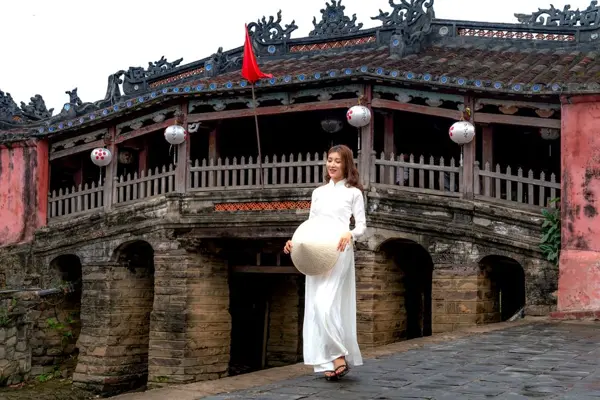
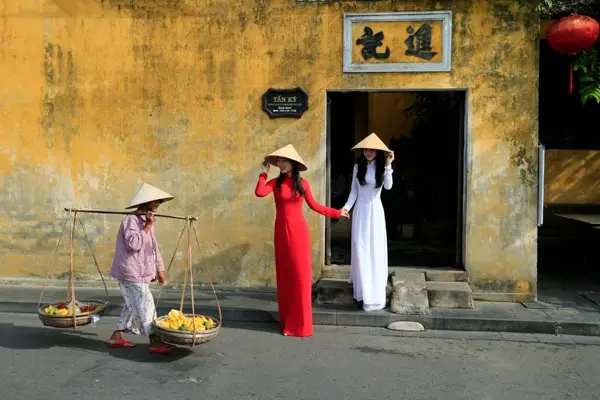
Resting along the banks of the Thu Bon River just inland from the central coast, Hoi An feels suspended between eras. Its pedestrian core is defined by ochre-washed shophouses, weathered tile roofs, and strings of silk lanterns that glow after dusk. Cyclists drift past wooden shutters, and the scent of burning incense mingles with river brine and simmering broths, creating an unhurried rhythm shaped by water and maritime trade. From the fifteenth to the nineteenth century, merchants from Japan, China, and Europe converged here, turning the settlement into one of the busiest trading hubs in the region. That legacy survives intact in places like the Japanese Covered Bridge, constructed in the 1590s with an integrated Buddhist shrine, and the 1697 Phuc Kien Assembly Hall, where coiled incense burns beneath carvings honoring the sea goddess Thien Hau. Down narrow alleys, two-century-old timber residences like the Tan Ky Old House show how merchant families blended Chinese joinery and Japanese roofs to withstand seasonal river floods. At the riverside Central Market, vendors assemble fresh herbs and bowls of cao lau, a local noodle dish topped with roast pork and greens, made using water drawn from ancient Cham wells. During the monthly Full Moon Lantern Festival, electric lights dim and residents release candlelit paper lanterns onto the river for good fortune. Rent a bicycle to ride through the surrounding rice fields to An Bang beach, and explore the old quarter at dawn before the midday heat and daytime crowds arrive.
Read more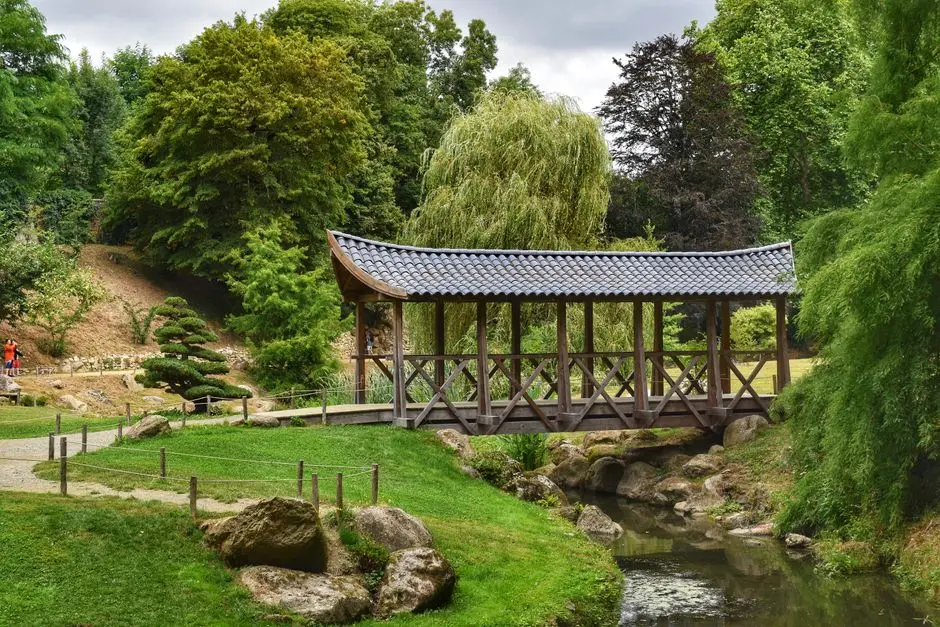
What's on in Hoi An
Atmospheric lunar full-moon night where historic streets dim electric lights and visitors release colorful glowing paper lanterns onto the river.
Official infoThe final full-moon lantern night before Lunar New Year, transforming Hoi An's UNESCO quarter into a magical sea of glowing lanterns.
Official infoEvents are collected automatically from the web. Dates can change, so please check the official information before you travel.