Deciding where to go in Vietnam comes down to balancing historic northern cities, central coastal heritage, and the energetic southern metropolis. This practical guide covers key regions, sights, and route ideas for a complete trip.
To decide where to go in Vietnam, divide the country into three distinct travel hubs: the north for mountain scenery and ancient history, the central coast for royal architecture and lantern-lit towns, and the south for wartime landmarks and urban momentum. First-time visitors should prioritize Hanoi, Ha Long Bay, Da Nang, Hoi An, and Ho Chi Minh City to experience the country's full geographic and cultural range.
Stretching in an S-curve along the Indochina Peninsula, Vietnam offers varied landscapes that shift rapidly as you move between regions. Connecting these hubs by air or rail allows you to build an itinerary that fits your available time without rushing.
Northern Vietnam: Mountain Peaks and Coastal Karsts
Northern Vietnam forms the political and historical heart of the country, defined by misty highlands and limestone waterways.
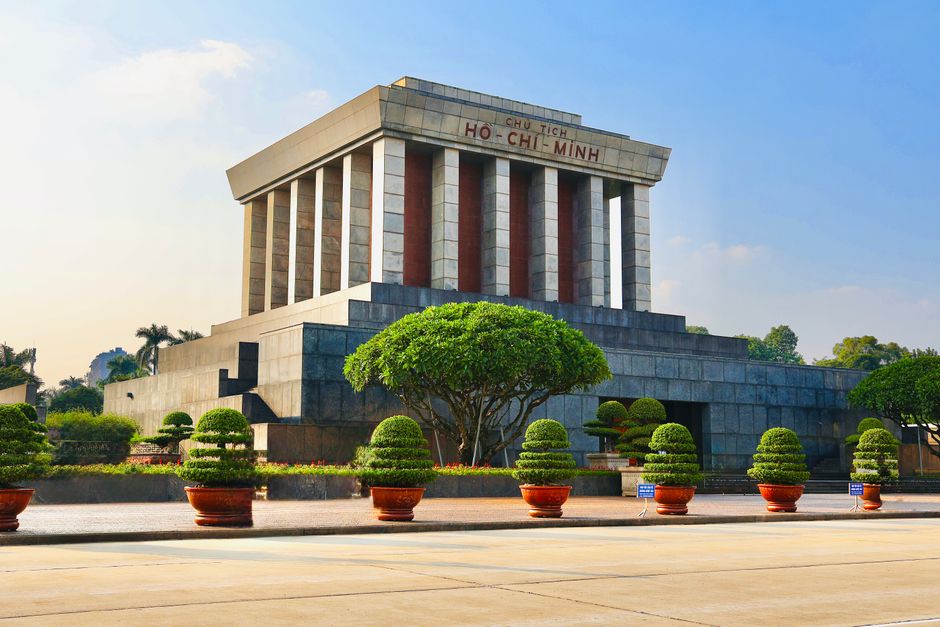
Start in the capital, Hanoi. The city centers on historic monuments such as the Ho Chi Minh Mausoleum on Ba Dinh Square and the historic One Pillar Pagoda, constructed in the eleventh century. For insight into the colonial and wartime era, visit Hoa Lo Prison, known for its austere preserved quarters.
Heading east brings you to Ha Long, home to Ha Long Bay. Here, thousands of limestone towers rise from the Gulf of Tonkin. You can explore dramatic caverns such as Caves, view quiet traditional water settlements at Fishing Villages, or climb the viewpoint on Titop Island.
If you want highland scenery, travel northwest to Sa Pa. This mountain station serves as the gateway to Fansipan, the highest peak in Indochina, surrounded by deep terraced valleys.
Central Vietnam: Imperial Citadels and Coastal Towns
Central Vietnam is packed with architectural heritage, sandy shorelines, and dramatic subterranean parks.
Begin your central journey in Hue, the former royal capital. Walk through the sprawling Imperial City of Hue, built along the Perfume River, and stop at the seven-story Thien Mu Pagoda, an enduring spiritual landmark dating back to 1601.
Moving south along the coast brings you to Da Nang. This modern coastal city features the golden sands of My Khe Beach, the natural sanctuary of Son Tra Peninsula, and the fiery weekend displays at Dragon Bridge. Just outside the city center, you can climb the cavernous shrines of Marble Mountains or ride high into the Truong Son range to see the Golden Bridge at Ba Na Hills. Archeology enthusiasts can make a day trip south to the ancient Cham brick towers at My Son.
Just thirty minutes from Da Nang lies Hoi An. Its riverside Ancient Town preserves centuries of trade heritage, highlighted by the seventeenth-century timber Japanese Bridge and historic shophouses like Tan Ky House.
For outdoor caving, venture inland to Phong Nha. The region protects Phong Nha-Ke Bang National Park and the world-renowned Son Doong Cave, set within karst systems that formed over hundreds of millions of years.
Southern Vietnam: Modern Energy and Wartime History
Southern Vietnam moves at a fast commercial pace, centered around Ho Chi Minh City.
Key downtown landmarks reflect both colonial and postwar eras. The Saigon Central Post Office showcases nineteenth-century iron vaulting and arched windows, while the nearby Independence Palace remains preserved as it stood on the final day of the Vietnam War in 1975.
Northwest of the urban core lies the Cu Chi Tunnels. This vast underground complex once stretched across hundreds of kilometers of clay soil, giving travelers a direct window into guerrilla survival tactics.
Sample Two-Week Itinerary
A classic two-week route runs from north to south, keeping travel logistics straightforward:
- Days 1-3: Hanoi. Explore the Old Quarter, Ba Dinh Square, and colonial architectural sites.
- Days 4-5: Ha Long Bay. Cruise the karst channels, visit limestone grottos, and hike island viewpoints.
- Days 6-7: Hue. Tour the Nguyen Dynasty citadel and historic riverside pagodas.
- Days 8-10: Da Nang and Hoi An. Relax along the beach, explore ancient trading streets, and visit mountain lookouts.
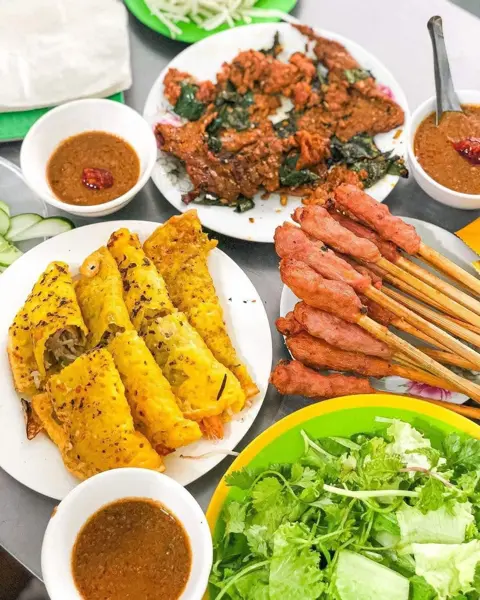
- Days 11-14: Ho Chi Minh City. Tour downtown historical landmarks, visit wartime underground networks, and sample local street food.
Tours and Guided Experiences on Tour & Car
Booking private local tours gives you convenient transport between dispersed sights and regional culinary insights. You can arrange vetted options directly with local guides on Tour & Car.
In central Vietnam, consider dedicated private excursions departing from Da Nang:
- The Da Nang: Lady Buddha & Marble Mountains Sunrise Tour is available on Tour & Car for $38 (private tour, whole group, 4 hours) with Wise Travel, covering coastal views and limestone grottos.
- The Da Nang: Michelin Food Tour with Vietnamese Coffee Culture is available on Tour & Car for $37 (private tour, whole group, 3 hours) with Wise Travel, guiding you through central dishes and coffee traditions.
Practical Tips for Traveling in Vietnam
- Getting Around: Domestic flights connect major hubs like Hanoi, Da Nang, and Ho Chi Minh City efficiently. For regional legs, private drivers and guided transfers save time compared to local buses.
- Cash and Cards: Major hotels and large tour agencies accept credit cards, but cash is essential for street meals, local markets, and small ticket booths.
- Festival Planning: The country celebrates Lunar New Year across several days early in the calendar year. Transport tickets sell out quickly during this holiday period, and many family-run businesses close, so book bookings well in advance if traveling in early February.