
Hue
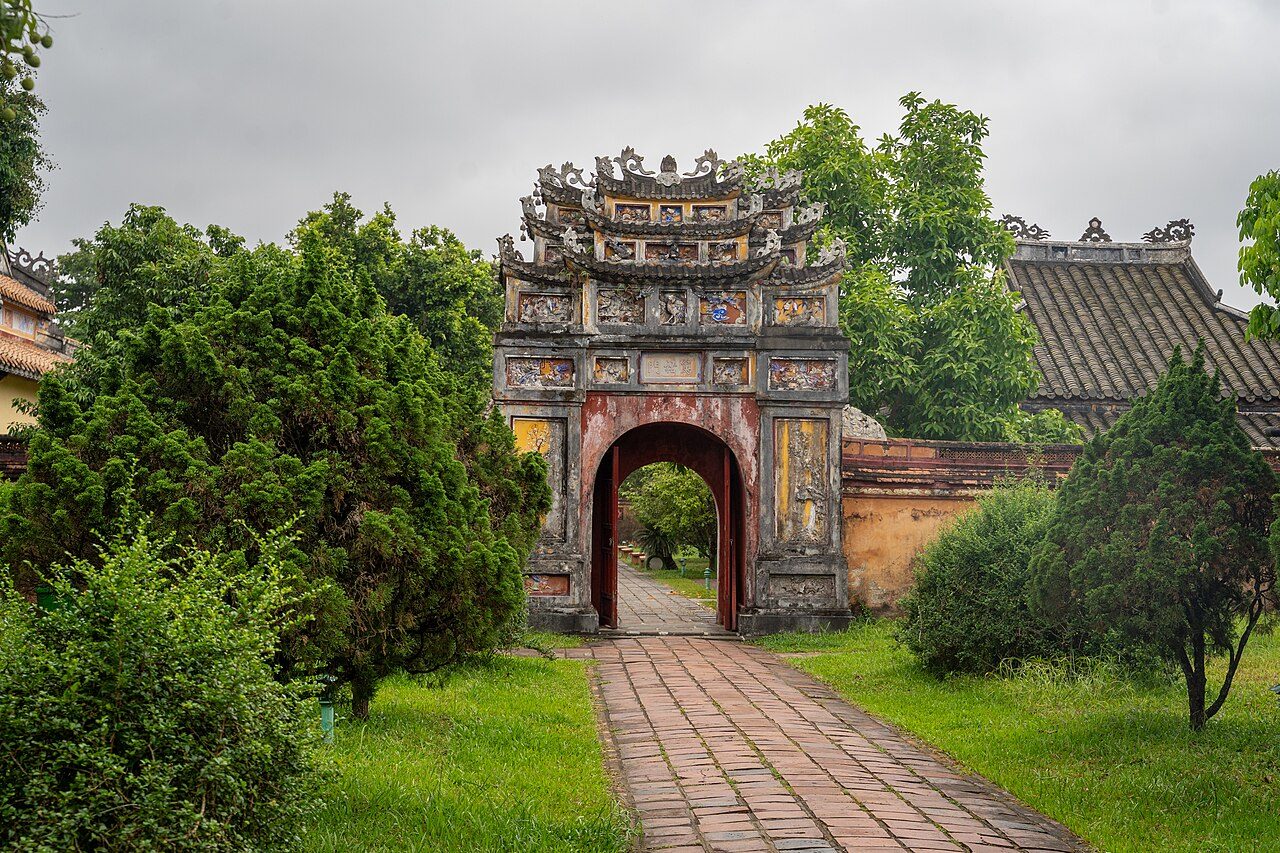
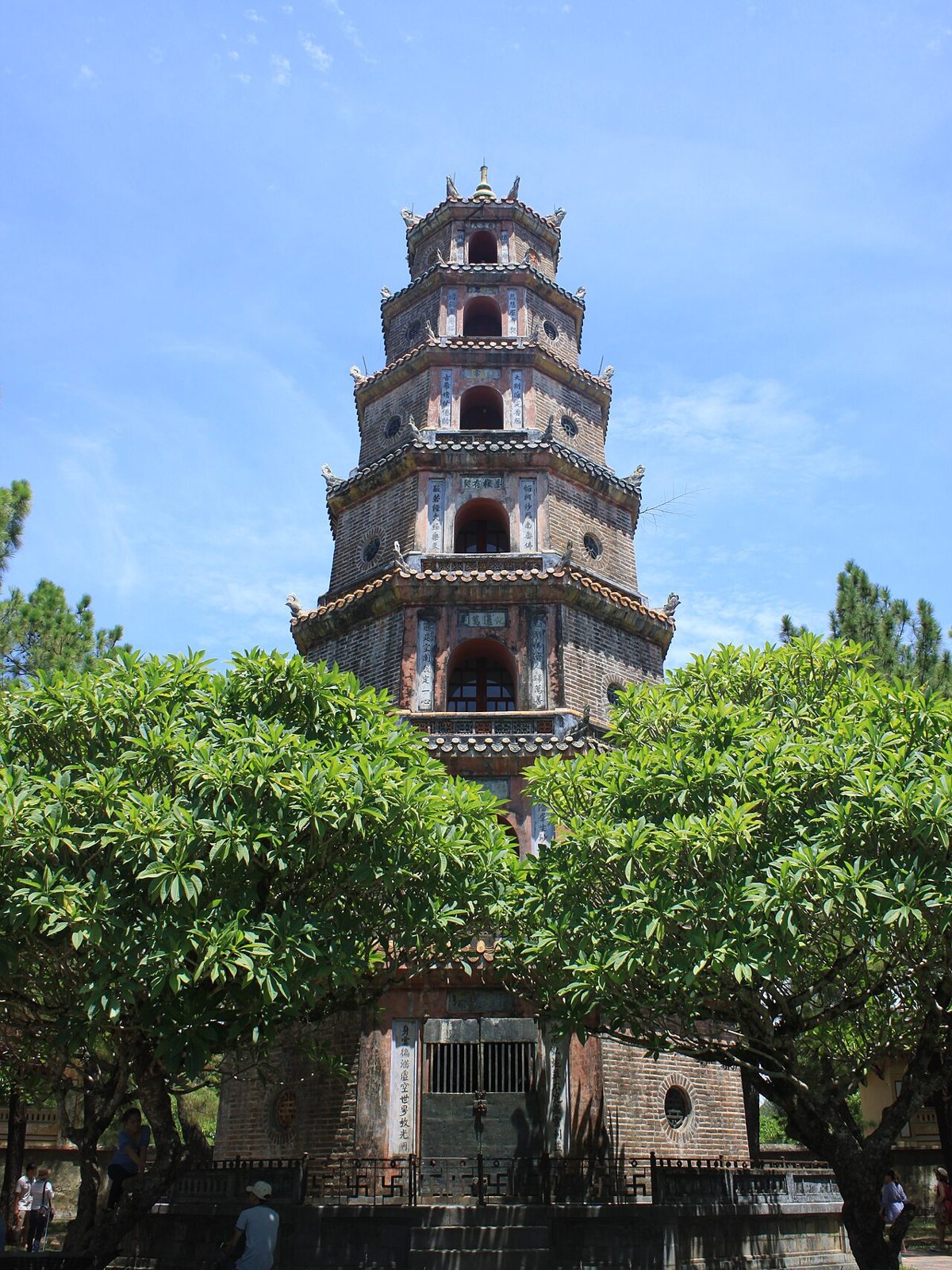
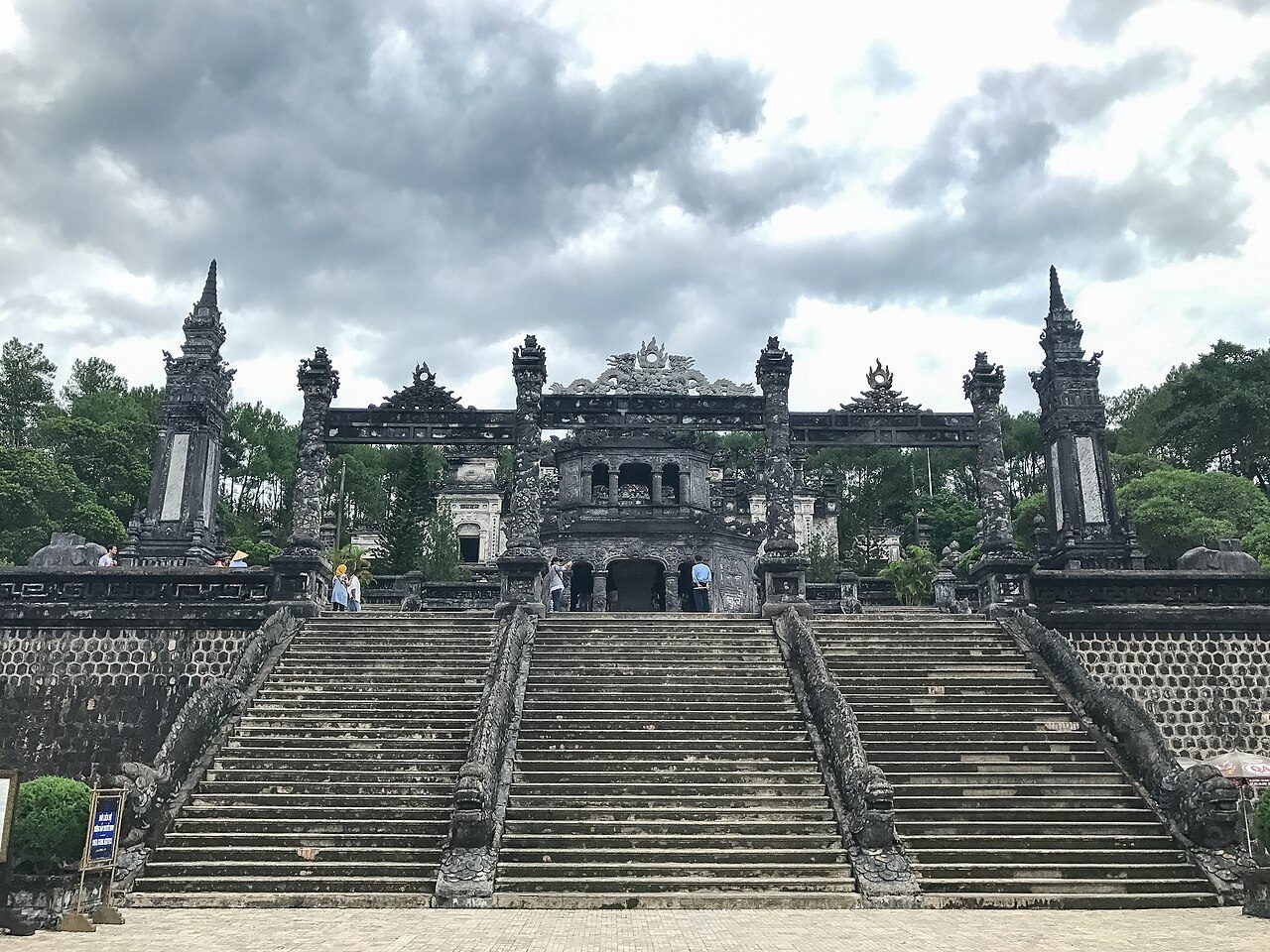
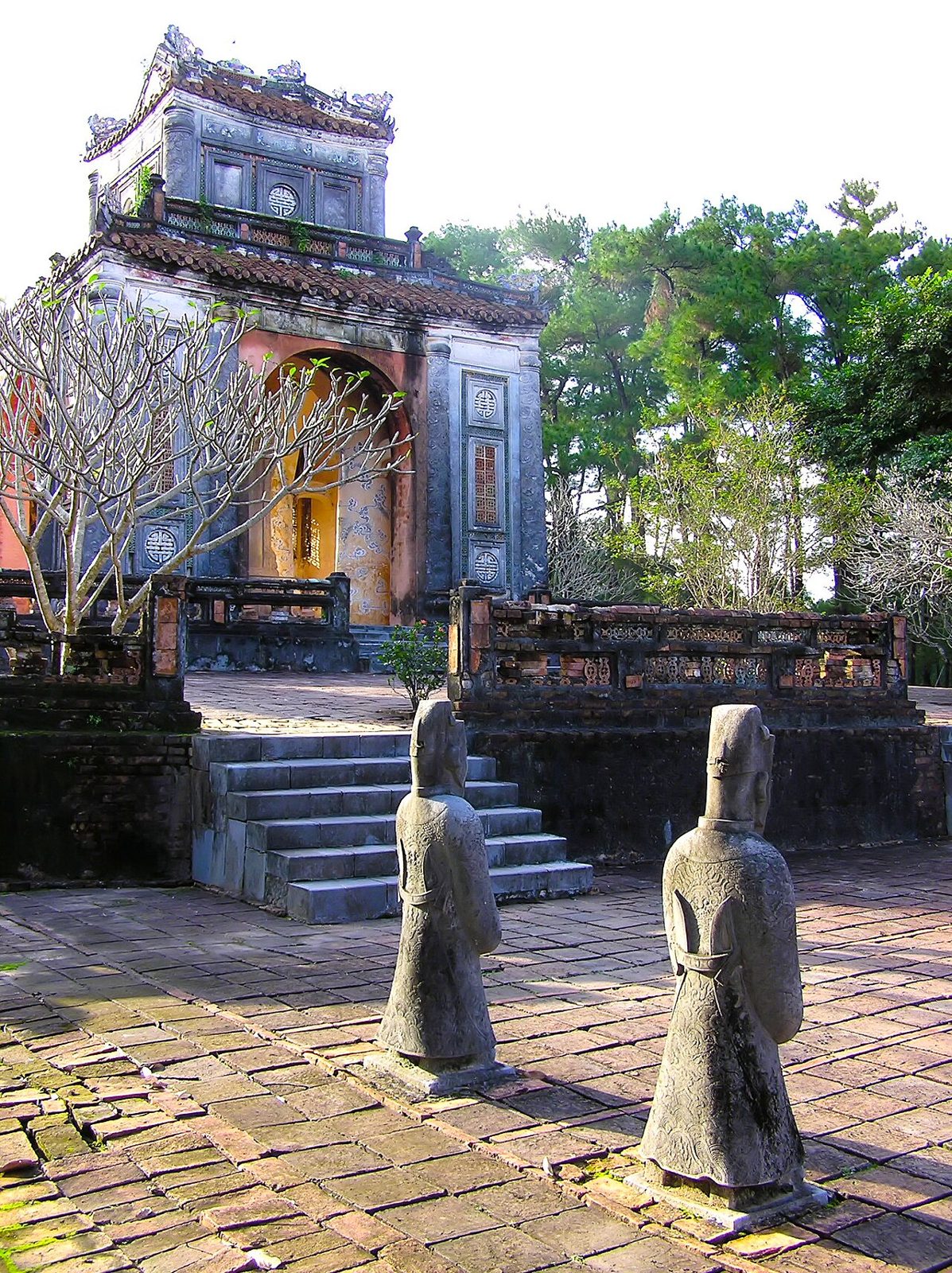
Spreading along the sluggish green waters of the Perfume River in central Vietnam, Hue rests in the damp shadow of the Truong Son mountains just miles inland from the sea. Walking its quieter streets feels distinctly unhurried compared to the rest of the country. Shaded avenues flank the riverbanks beneath canopies of flame trees, where low-rise garden houses and colonial-era villas slowly weather beneath coats of tropical moss. Chosen by Emperor Gia Long in 1802 as the seat of the Nguyen Dynasty, the city served as the imperial capital until 1945. North of the water, the Citadel encloses the moated ramparts and surviving gates of the Forbidden Purple City. Further upstream along the riverbanks, the octagonal tower of Thien Mu Pagoda stands watch over boat traffic, while the pine-covered hills to the south hide the dynastic tombs: Tu Duc’s serene complex of pavilions and lotus ponds, and Khai Dinh’s steep, soot-darkened monument clad in intricate porcelain mosaics. Daily life clusters around the cavernous aisles of Dong Ba Market, where cooks assemble steamed banh beo in tiny clay dishes and ladle broth for lemongrass-infused bun bo Hue. On lunar festival nights, residents release paper lanterns into the river, sending hundreds of flickering lights drifting downstream. The center is flat and best explored on a rented bicycle or by cyclo, with the dry, temperate months between February and April offering the easiest weather for travel.
Read more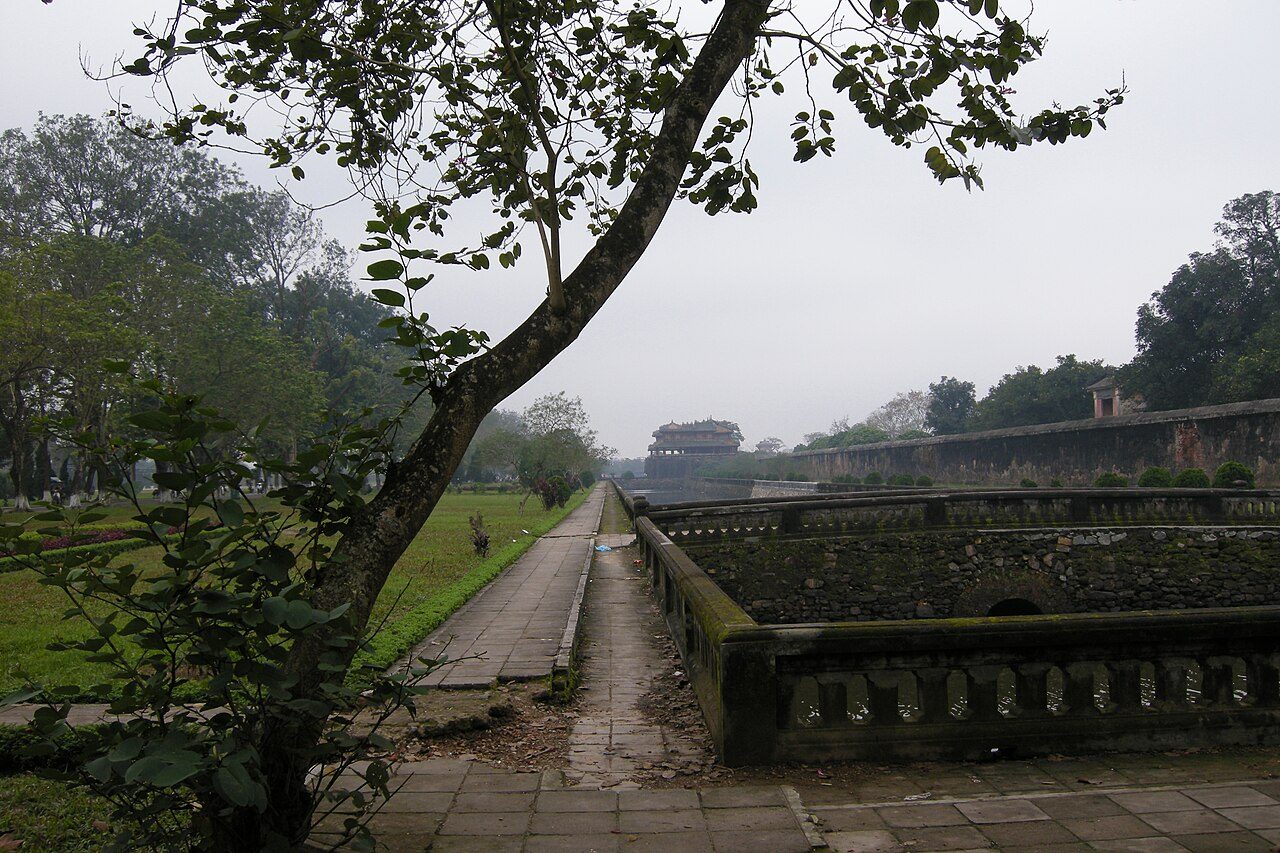
What to see in Hue
Guides & drivers nearby

Photo credits (5)
- Vyacheslav Argenberg, CC BY 4.0, via Wikimedia Commons
- Kandukuru Nagarjun, CC BY 2.0, via Wikimedia Commons
- Lưu Ly, Public domain, via Wikimedia Commons
- dronepicr, CC BY 2.0, via Wikimedia Commons
- BluesyPete, CC BY-SA 3.0, via Wikimedia Commons