
Phong Nha-Ke Bang National Park
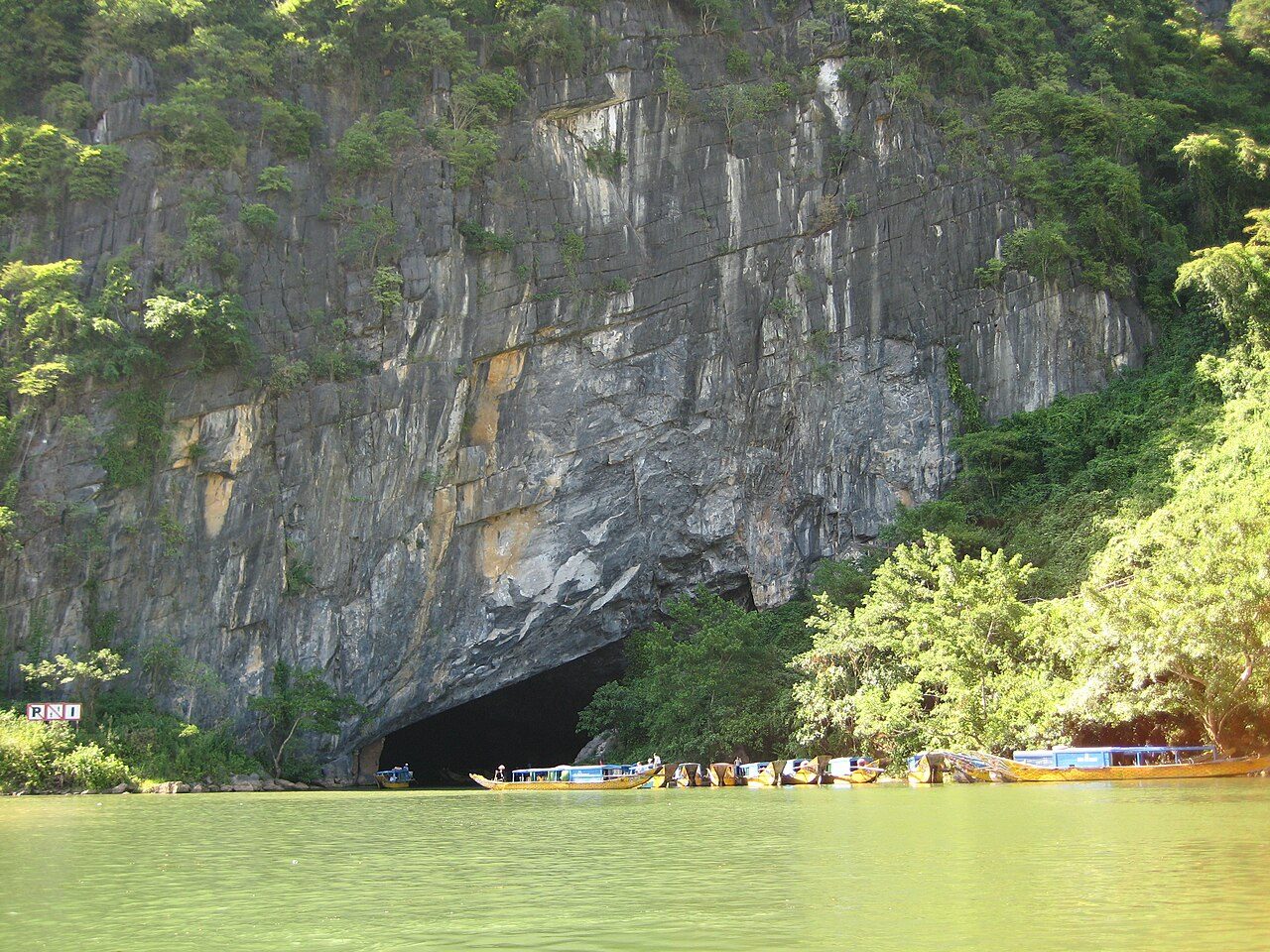
Centuries before spelunkers mapped its subterranean labyrinth, the limestone massif of Phong Nha-Ke Bang stood as a fortress of deep time, its karst formations evolving over 400 million years ago during the Paleozoic era. In the 9th century, Cham artisans carved enigmatic hieroglyphics into the stone walls of Phong Nha Cave, while mid-20th-century soldiers utilized these vaulted caverns as bomb-proof hospitals and ammunition caches along the Ho Chi Minh Trail. Global renown deepened after local forager Ho Khanh uncovered Hang Son Doong in 1990, leading to a 2009 British Cave Research Association expedition that confirmed it as the planet’s largest cave passage. Skimming across the jade-hued Son River aboard a low-slung wooden longboat, travelers slip beneath towering, jungle-cloaked bluffs into a shadowy underworld. Inside the subterranean riverways and dry caverns like Paradise Cave, elevated boardwalks trace past gargantuan calcite draperies and monumental stalagmites—including the 70-meter-tall "Hand of Dog." The stifling tropical heat instantly gives way to a cool, subterranean draft smelling of wet mineral stone and moisture, while further into the backcountry, sunbeams pierce through collapsed ceiling sinkholes to nourish prehistoric-looking rainforests thriving hundreds of feet beneath the earth's surface.
More in Phong Nha
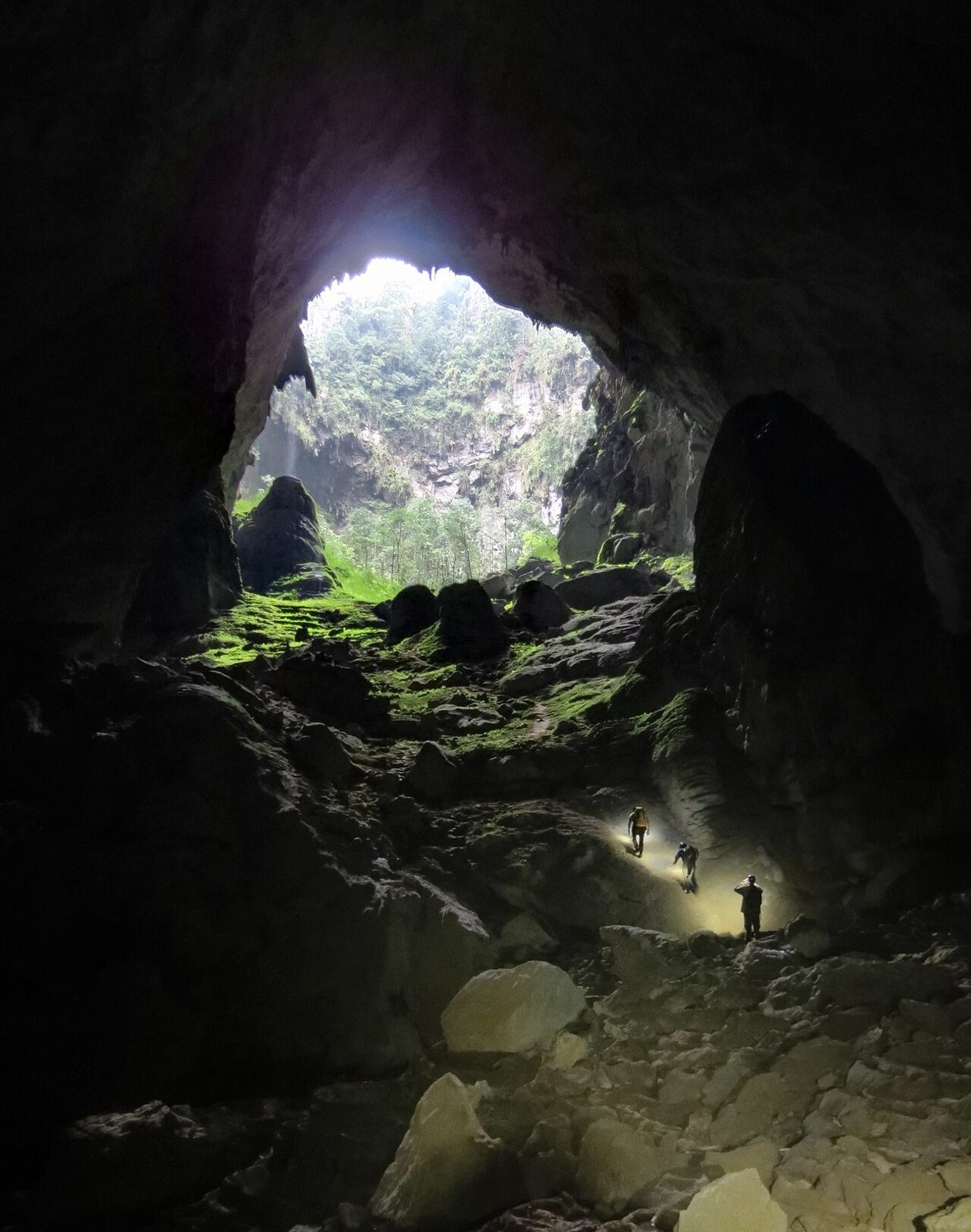

Photo credits (2)
- Genghiskhanviet, Public domain, via Wikimedia Commons
- Doug Knuth from Woodstock, IL, CC BY-SA 2.0, via Wikimedia Commons