
Phong Nha
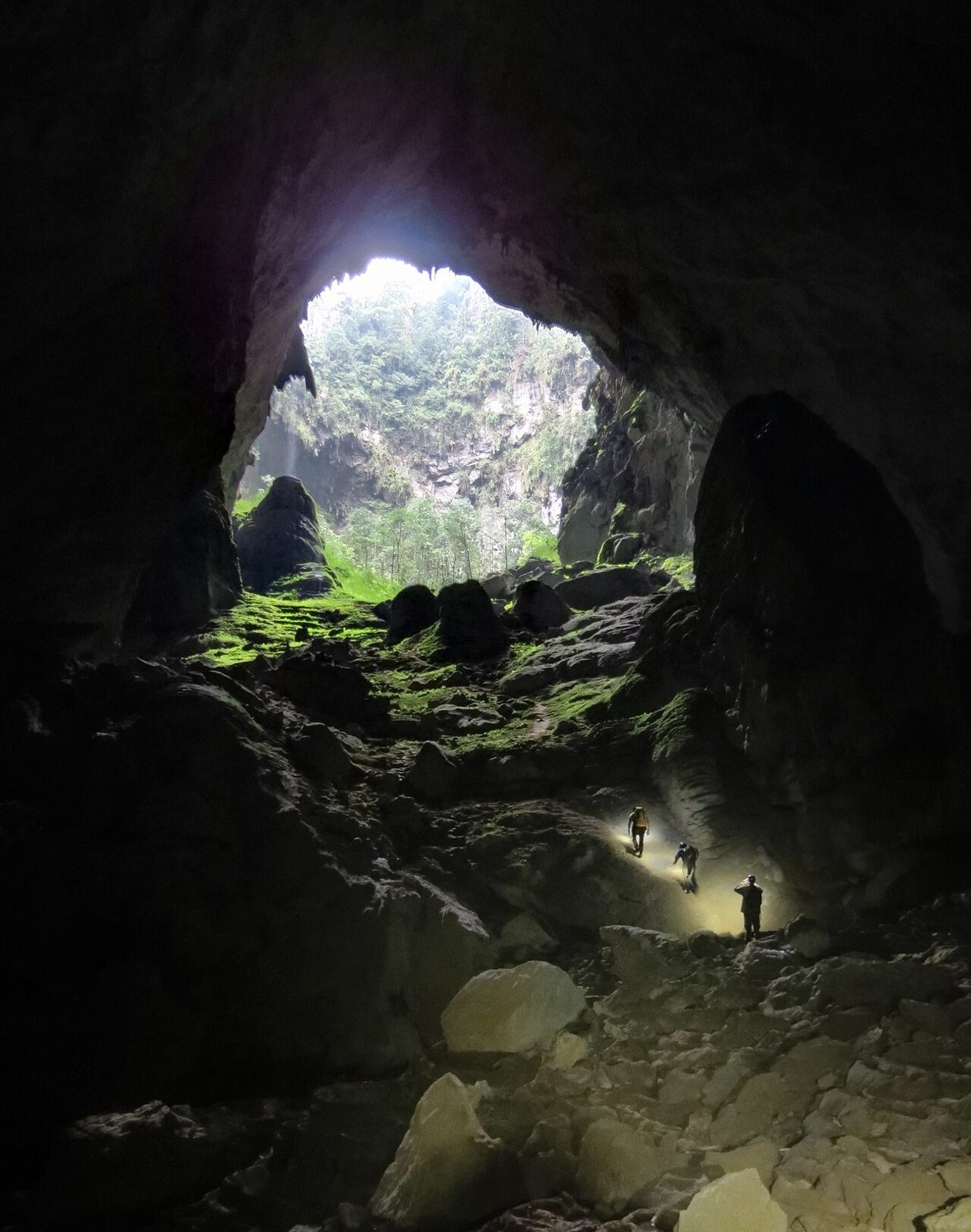
Framed by the teal ribbon of the Son River and serrated karst towers in central Vietnam's Quang Binh province, Phong Nha retains the unhurried pulse of an agricultural hamlet. Walking along the single riverfront road, you pass buffalo cooling in shallows, women washing mustard greens on concrete steps, and wooden skiffs ferrying farmers between cornfields. Mornings bring cool river mist and roosters crowing across the limestone valley. Recognized as a UNESCO World Heritage site in 2003, the surrounding park shelters caverns carved out over 400 million years, which served as vital munitions depots and field hospitals along the Ho Chi Minh Trail in the late 1960s. Boatmen engine upriver to Phong Nha Cave, cutting their motors to paddle inside cathedral-sized chambers lit by amber lanterns. Deeper in the primary forest lies Thien Duong Cave, accessed via a winding wooden walkway below towering calcified columns, while Dark Cave draws travelers into narrow rock fissures filled with dense, buoyant clay. Farther east, the rural tracks of the Bong Lai Valley lead past pepper orchards and duck farms. After sunset, open-air eateries serve ga doi, seasoned hillside chicken roasted over charcoal and eaten with lime, chili, and crushed forest seeds, followed by chewy banh loc dumplings stuffed with river shrimp. In spring, villages organize traditional boat races across the Son River to honor water spirits. Rent a small scooter to navigate the quiet roads between caverns, and plan visits between March and August before heavy autumn rains flood the subterranean network.
Read more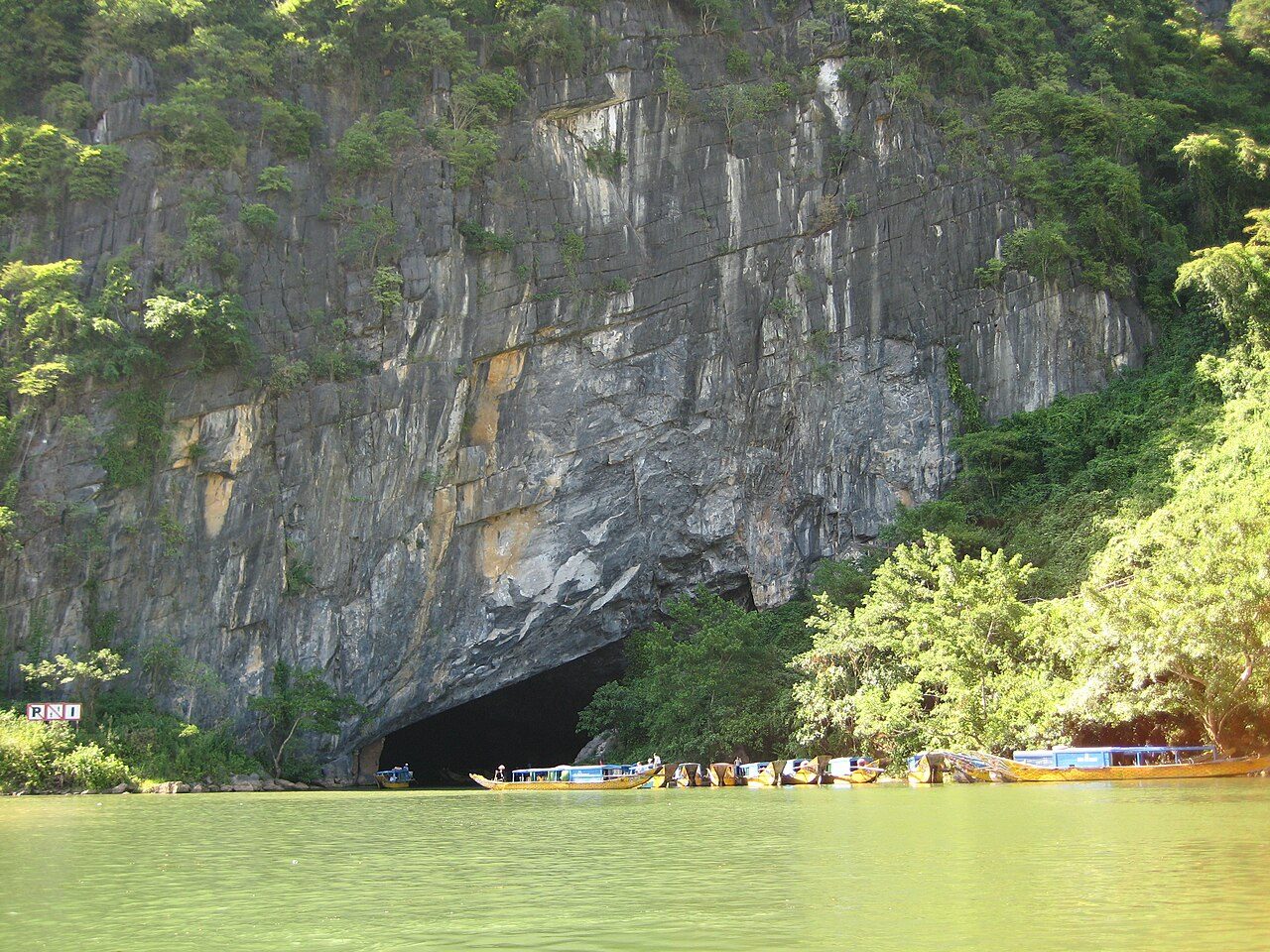
What to see in Phong Nha

Guides & drivers nearby

Photo credits (2)
- Genghiskhanviet, Public domain, via Wikimedia Commons
- Doug Knuth from Woodstock, IL, CC BY-SA 2.0, via Wikimedia Commons