Hiroshima
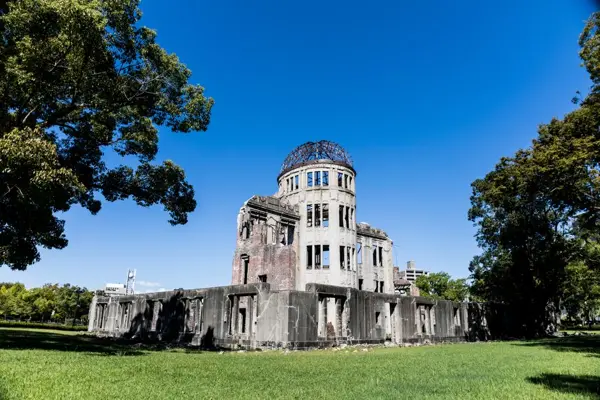
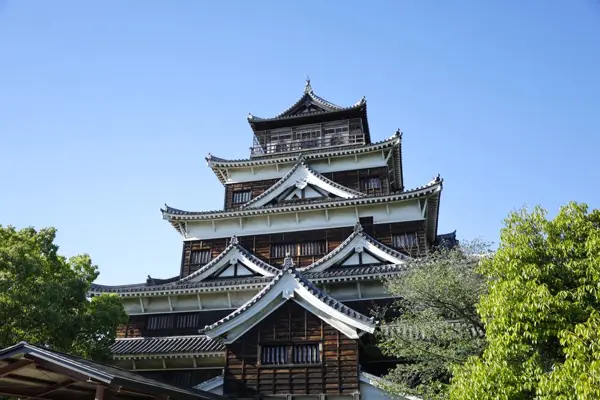
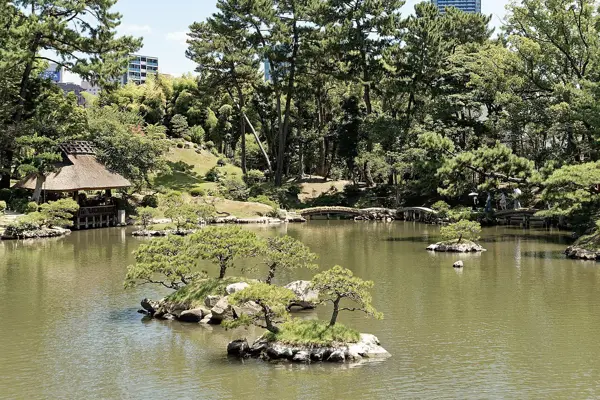
Spread across the flat delta where the Ota River splits into six channels before emptying into the Seto Inland Sea, Hiroshima feels open, leafy, and surprisingly serene. Ringed by forested mountains, the city reveals a calm rhythm along wide boulevards and willow-lined riverbanks. Established in 1589 by daimyo Mori Terumoto, the city was rebuilt from ash following the atomic bombing of August 6, 1945. Today, the preserved ruin of the Genbaku Dome stands directly beside the water, mirrored across the Motoyasu River by the quiet lawns of Peace Memorial Park. A short walk east lies Shukkei-en, a miniature landscape garden designed in 1620 with arched stone bridges and tea pavilions, while the reconstructed keep of Hiroshima Castle anchors the northern moats. Evenings center on food, particularly inside multi-story dining venues like Okonomimura, where cooks layer batter, cabbage, yakisoba noodles, pork, and fried egg over sizzling iron griddles. Plump oysters harvested from the surrounding bay are grilled fresh at waterfront stalls. Each August, the city holds its solemn memorial day, culminating when residents release thousands of glowing paper lanterns down the river at dusk. The easiest way to navigate is via the Hiroden streetcar network, which runs both vintage and modern trams across every major neighborhood. Late autumn is an ideal season to explore, when crisp air sets in and the ginkgo trees along Peace Boulevard turn a vibrant yellow.
Read more
What's on in Hiroshima
Central Hiroshima's signature illumination turning Peace Boulevard into a glowing fairytale wonderland with over a million colorful LED lights.
Official infoEvents are collected automatically from the web. Dates can change, so please check the official information before you travel.