
 New added
Imperial Palace
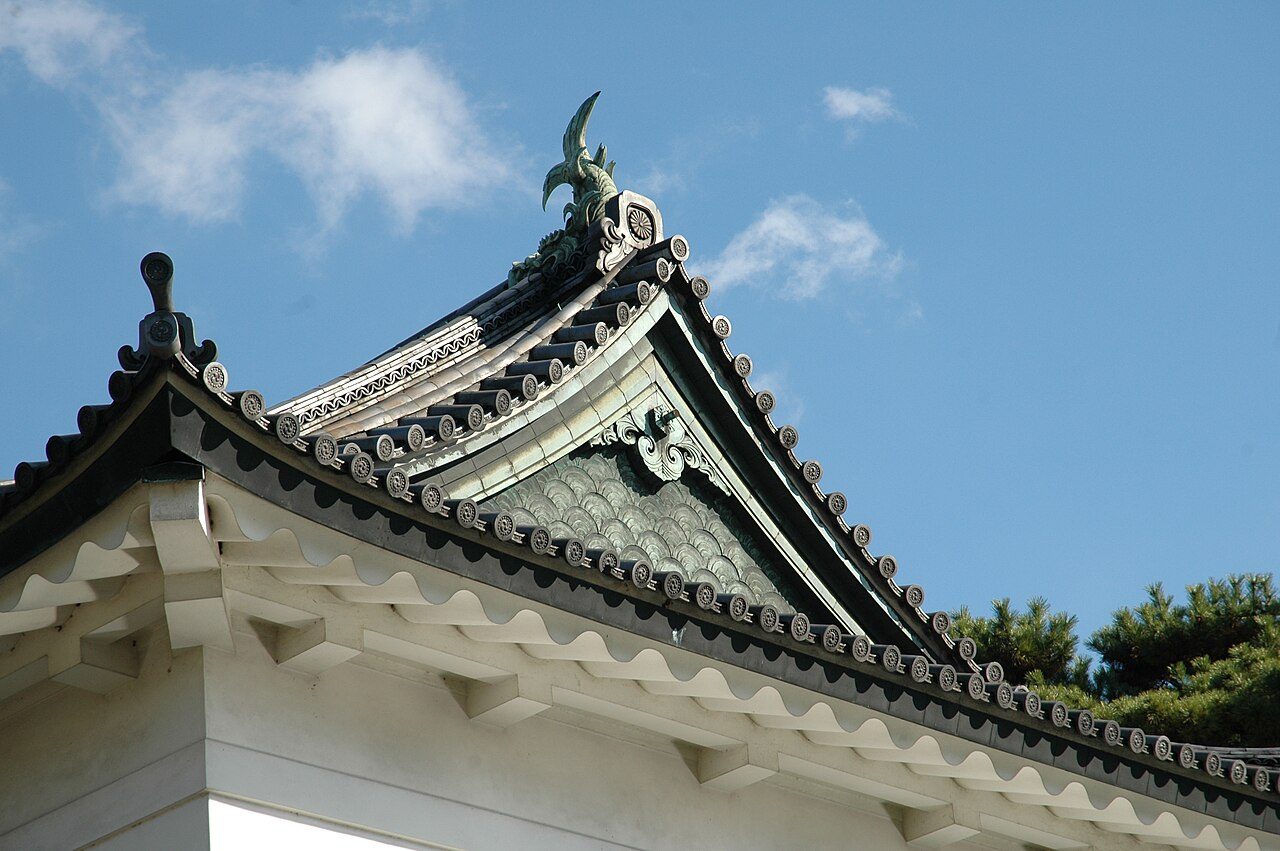
Rising from the cyclopean basalt foundations of Edo Castle—first fortified by warlord Tokugawa Ieyasu around the turn of the seventeenth century—Tokyo’s Imperial Palace embodies Japan’s pivot from feudal isolation to imperial modernism. Following the 1868 Meiji Restoration, the imperial seat transferred from Kyoto to this sprawling fortress, replacing samurai rule with the presence of Emperor Meiji. Although World War II air raids obliterated the original wooden palace complex, the grounds were re-envisioned in 1968 with low-slung, copper-roofed structures designed in a subdued modernist-Japanese aesthetic, preserving the site's role as the secluded, working residence of the sovereign. Standing in the vast, open gravel expanse of the Kokyo Gaien Plaza, travelers encounter a striking spatial contrast: the tranquil reflection of thousands of manicured black pine trees framed against the steel-and-glass skyscrapers of neighboring Marunouchi. The view centers on the iconic Nijubashi, a photogenic duo comprising a stone two-arch bridge and a steel span stretching across lotus-dappled moats toward the white-plastered, multi-tiered Fushimi-yagura watchtower. The rhythmic crunch of coarse gravel beneath your shoes and the damp scent of moss-covered stone walls create an aura of cloistered stillness, pulling visitors into an ancient dynastic world untouched by the frantic pulse of the surrounding metropolis.
More in Tokyo
Photo credits (2)
- Stefano Vigorelli, CC BY-SA 4.0, via Wikimedia Commons
- Syced, CC0, via Wikimedia Commons