Deciding where to go in Tajikistan depends on whether you seek ancient Silk Road heritage, alpine lakes, or the high-altitude Pamir Highway. This guide outlines the country's most compelling regions and practical travel routes.
To decide where to go in Tajikistan, focus on three primary regions: the bustling capital Dushanbe, the alpine trails and turquoise waters of the Fann Mountains near Penjikent, and the high-altitude landscapes of the Pamir Mountains around Ishkashim and Karakul. Travelers interested in medieval history should also route through the southern valleys around Kulob.
With over ninety percent of its territory covered by soaring peaks, Tajikistan pairs grand Silk Road heritage with remote mountain landscapes. Whether you are charting an overland expedition along the Afghan border or exploring ancient Sogdian ruins, this guide outlines the prime destinations across Tajikistan.
Top Destinations and Sights in Tajikistan
Dushanbe: Monuments and Modern Grandeur
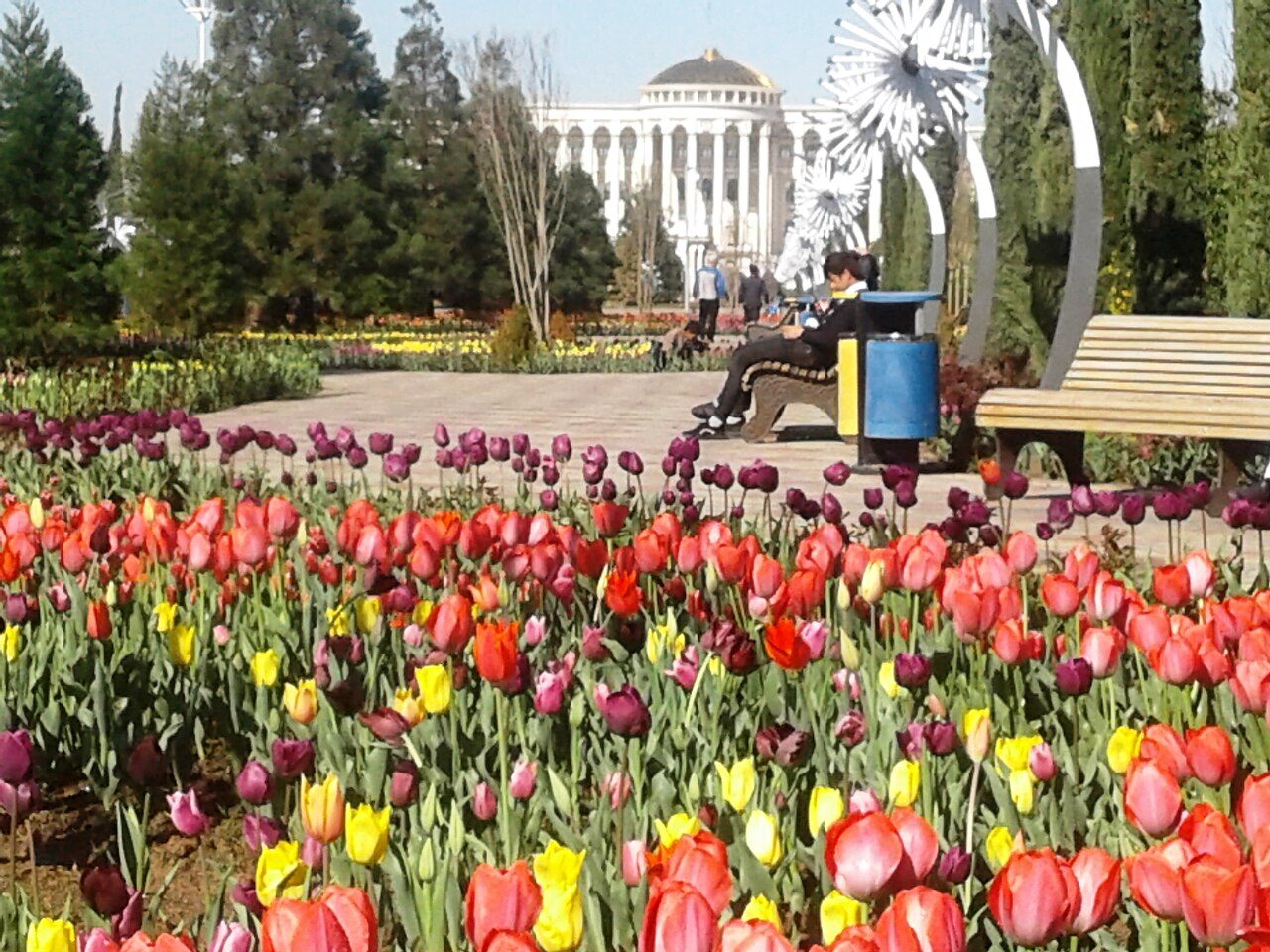
The capital city serves as the gateway for most journeys into the country. Broad avenues lined with plane trees lead to monumental landmarks that honor Persian and Samanid history. In Dousti Square, the towering Ismoili Somoni Monument commemorates the ninth-century emir who stands as a central figure of Tajik cultural identity. Nearby, the stately Somoni Palace illustrates modern civic architecture, combining neoclassical symmetry with Persian-Islamic decorative details.
Penjikent and the Fann Mountains
Located in the Zeravshan River basin near the Uzbek border, Penjikent is steeped in Sogdian antiquity. Just outside town lie the ruins of Ancient Panjakent, an urban Silk Road emporium that flourished between the fifth and eighth centuries before being abandoned during the Arab conquests. A short drive into the jagged Fann Mountains brings you to Iskanderkul Lake, a glacial water body sitting at an elevation of 2,195 meters. Named after Alexander the Great, its waters mirror surrounding limestone cliffs and provide accessible hiking trails.
Ishkashim and the Wakhan Corridor
Following the Panj River along the southern frontier leads to Ishkashim, the primary hub of the Tajik Wakhan Valley. This narrow mountain corridor served as a strategic buffer during the nineteenth-century Great Game. High above the valley floor sits Yamchun Fortress, a stone stronghold dating back to the third century BCE during the Kushan Empire. Further north in the Shakhdara Range, travelers can pause at Garm-Chashma Hot Springs, where mineral waters have provided relaxation and traditional healing for generations.
Karakul and the Eastern Pamirs
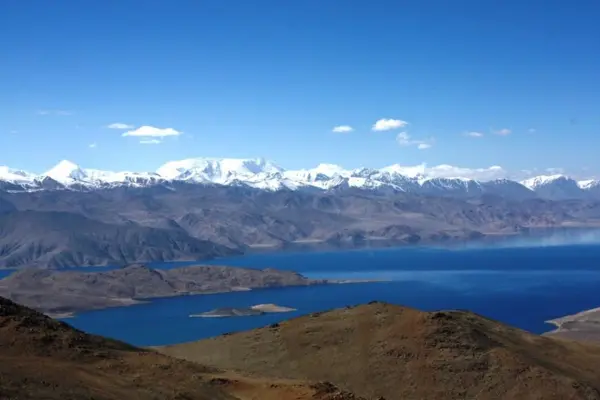
In the remote northeast sits Karakul, an endorheic lake set in an impact crater formed millions of years ago. At an elevation of 3,914 meters, Karakul Lake is surrounded by stark, high-desert plains and salt flats. The stark scenery offers a total contrast to the green valleys of western Tajikistan.
Kulob and Medieval Fortresses
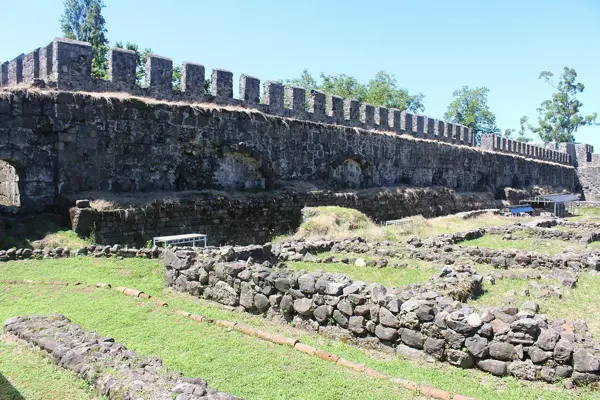
In the southern lowlands, Kulob is an important cultural stop known for its deep trade roots. Outside town, the massive mudbrick walls of Hulbuk Fortress rise over the Kyzylsu River valley. Hulbuk preserves the memory of medieval Khuttal, an influential administrative center between the ninth and eleventh centuries.
How to Get Around Tajikistan
Public transport options between remote valleys are limited, making shared 4WD vehicles or private drivers the practical choice for travelers. Roads in the high Pamirs and mountain passes are unpaved, rough, and subject to seasonal weather disruptions.
Booking a reliable local driver or guided transport on Tour & Car ensures you can navigate difficult mountain tracks without the stress of self-driving. For trips between major western hubs like Dushanbe and Penjikent, paved highways make regional transfers straightforward.
Best Time to Visit
The optimal window for visiting Tajikistan depends directly on your planned route:
- Summer (June to September): The best season for high-altitude passes, trekking in the Fann Mountains, and driving the Pamir Highway. Mountain passes are free of snow, though lowland cities like Dushanbe can be hot.
- Shoulder Seasons (April to May and October): Ideal for exploring Dushanbe, Kulob, and Penjikent. Temperatures in the valleys remain mild, though high mountain roads may encounter early snow or spring mud.
- Winter (November to March): High mountain routes become inaccessible due to heavy snow and sub-zero temperatures. Lowland cities host seasonal cultural gatherings, including events like the Sada Festival in Dushanbe in late January.
Cultural Events in Tajikistan
Timing your trip around cultural festivals provides great insight into local tradition. Major events in the capital include the 2nd Tajikistan President's Cup Chess Tournament in mid-November 2026, National Flag Day Celebrations on 24 November 2026, and the PLUS-Forum Digital Tajikistan in late November. In December, athletic travelers can observe the Dushanbe World Judo Masters 2026, followed by New Year's Day celebrations across the country and the ancient winter fire festival, the Sada Festival, held in Dushanbe on 30 January 2027.
Sample 10-Day Travel Itinerary
- Days 1-2: Dushanbe. Explore the capital, starting with the Ismoili Somoni Monument and the stately architecture of Somoni Palace.
- Days 3-4: Fann Mountains and Penjikent. Travel northwest toward Penjikent. Spend a day walking around the blue waters of Iskanderkul Lake before touring the archaeological remains of Ancient Panjakent.
- Days 5-6: Southern Heritage to the Panj River. Head south via Kulob to inspect the excavated ramparts of Hulbuk Fortress, then journey toward the entrance of the southern mountains.
- Days 7-8: Wakhan Valley. Base your stay around Ishkashim. Climb the ancient stone walls of Yamchun Fortress, soak in Garm-Chashma Hot Springs, and view the peaks across the river in the Wakhan Valley.
- Days 9-10: High Pamir to Karakul. Drive northeast onto the high-altitude plateau to witness the crater basin of Karakul Lake before concluding your journey or crossing onward.
Practical Travel Tips
- Altitude awareness: Elevations in places like Karakul exceed 3,900 meters. Ascend gradually, stay well hydrated, and allow your body time to acclimatize before vigorous hikes.
- Border permits: Travel through the Gorno-Badakhshan Autonomous Region (GBAO), which includes Ishkashim and Karakul, requires a special GBAO permit alongside your entry visa.
- Cash readiness: Reliable ATMs exist primarily in larger towns like Dushanbe and Penjikent. Carry adequate local cash when entering remote mountain districts where card processing is non-existent.