Kulob
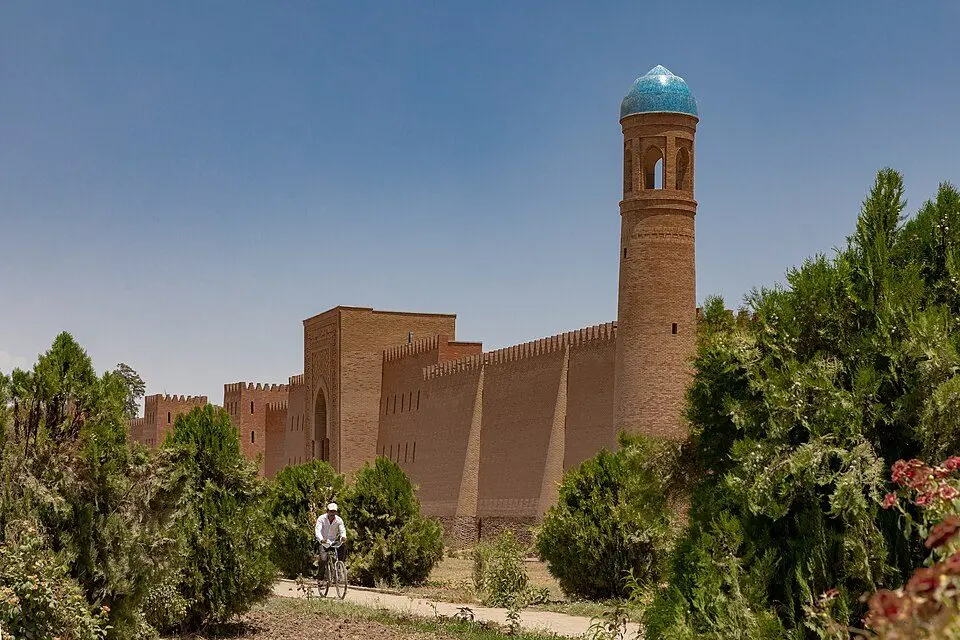
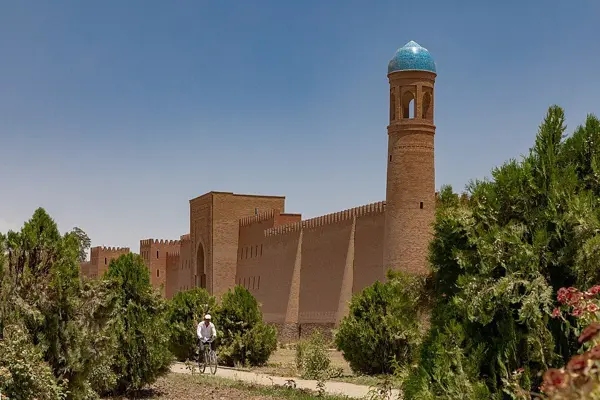
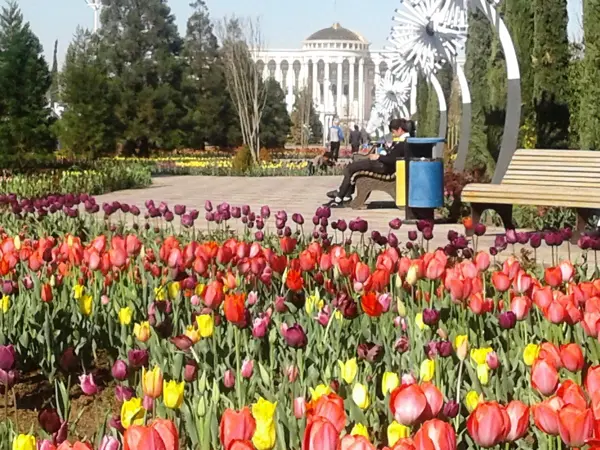
Kulob rests in the green folds of the Yakhsu River basin in southwestern Tajikistan, framed by the dry, rolling ridges of the Hazratishokh Range. Walking its wide, plane-tree-shaded avenues reveals a low-slung, provincial rhythm where modern Tajik life merges quietly with older rhythms. Elders in striped chapan robes and embroidered skullcaps gather over green tea on shaded roadside platforms, and the surrounding Khatlon countryside feels immediate and unhurried. Settled for millennia, the city marked its 2,700th anniversary in 2006, reflecting a deep Silk Road lineage. Its spiritual heart is the fourteenth-century mausoleum complex of Mir Sayyid Ali Hamadani, a revered Persian Sufi scholar who brought Islam to Kashmir; pilgrims still circle its carved brick facade beneath ancient junipers. Beside it stands the 2,700-Year Anniversary Museum, filled with regional textiles and Bronze Age ceramics. Just outside town, the reconstructed ninth-century citadel of Hulbuk in Vose preserves the patterned brickwork and bathhouses of the medieval Banijurid rulers. Daily life pivots around the Central Bazaar, an open-air tangle of stalls selling sun-dried apricots, blocks of salty qurut cheese, and red hand-stitched chakan embroidery. Lunch counters dish out steaming plates of Kulobi plov and layers of flatbread soaked in buttermilk known as qurutob. Visit in late spring when the foothill pastures bloom and the intense summer heat has yet to peak. The city center is easily navigable on foot, while yellow shared taxis gather near the bazaar to carry passengers to neighboring mountain settlements.
Read more