
 New added
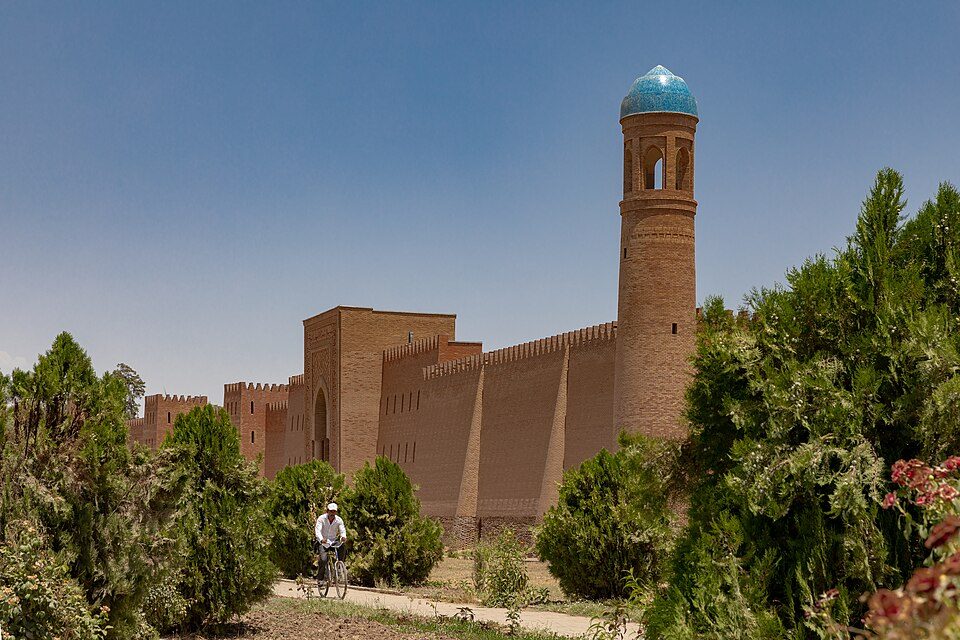
Hulbuk Fortress
Rising above the floodplains of the Kyzylsu River valley just outside Kulob, the colossal mudbrick ramparts of Hulbuk evoke the lost splendour of medieval Khuttal. Thriving between the ninth and eleventh centuries under Samanid and Ghaznavid suzerainty, this fortified citadel was the administrative heart of an autonomous Silk Road principality enriched by regional gold and salt mines. Reconstructed upon its original foundations, the fortress features monumental baked-brick walls studded with rounded defensive bastions. Excavations here uncovered an extraordinarily advanced urban nucleus, complete with an intricate terracotta piping network and an ancient hypocaust underfloor heating system that warmed the palace chambers during bitter Central Asian winters. Stepping through the arched southern portal, visitors enter a labyrinthine elevated courtyard leading to royal reception halls, living quarters, and a private mosque. The arid Khatlon wind sweeps through sun-baked corridors where the sheer scale of the military architecture becomes visceral. On-site displays and the neighboring museum preserve the citadel’s lavish interior appointments, notably delicate, fretworked alabaster panels etched with rosettes, mythical creatures, and stylized Kufic script. Standing atop the high western parapet, looking past the geometric brickwork toward the shimmering, snow-dusted ridges of the Hazrat-i Shoh range, you occupy the vantage point where Khuttalan governors once watched merchant caravans traverse the Pamir foothills.