
Ancient Penjikent
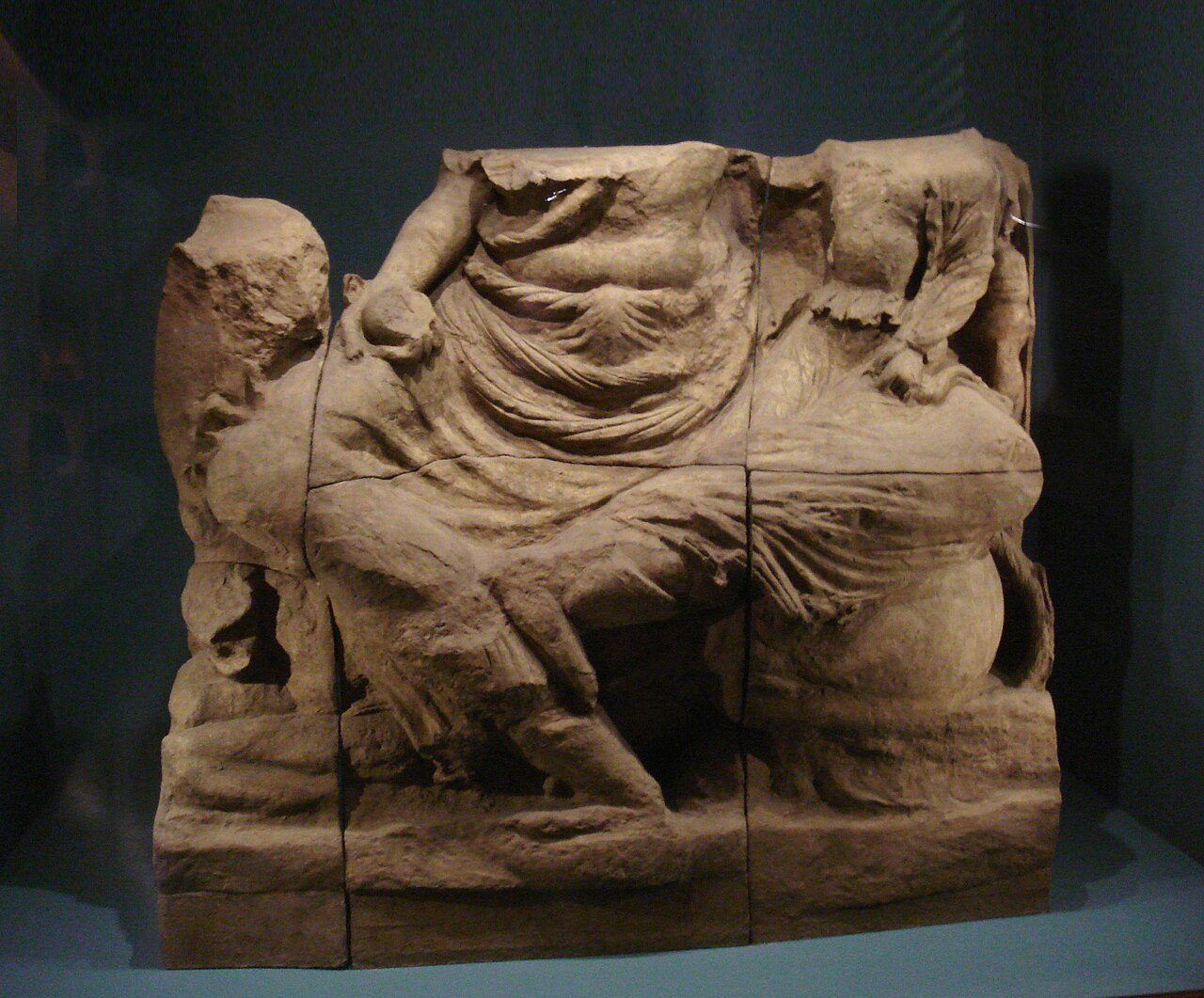
Perched on a sun-baked terrace above the Zeravshan River, this fifth-century Sogdian stronghold flourished for three centuries as a cosmopolitan Silk Road emporium before succumbing to the Arab conquest of 722 CE. Often called the "Pompeii of Central Asia," the site preserves the remarkably intact urban footprint of pre-Islamic Sogdiana, ruled in its final days by King Divashtich. The city was built entirely of pakhsa (rammed earth) and sun-dried mudbrick, featuring a fortified western citadel, two monumental Zoroastrian fire temples, and densely packed quarters of two-story aristocratic mansions. These palatial complexes once housed the celebrated Penjikent frescoes—vibrant narrative murals painted with lapis lazuli and cinnabar, illustrating epic banquets, armored cavalry battles, and multi-armed deities. Wandering the wind-scoured plateau today, you navigate a sprawling labyrinth of exposed mudbrick foundations, stepping directly into former reception halls, artisan workshops, and recessed domestic shrines. The silence is cut only by gusts blowing off the snow-dusted Fann Mountains, carrying the sharp scent of wild sage. From the high earthen mound of the citadel, you gaze across the ancient residential grid to the green belt of the Zeravshan Valley below. Standing amid these weathered clay corridors, you can still observe the distinct charred layers left by eighth-century sieges, offering an intimate, visceral encounter with an empire frozen in the moment of its sudden, dramatic collapse.
More in Penjikent
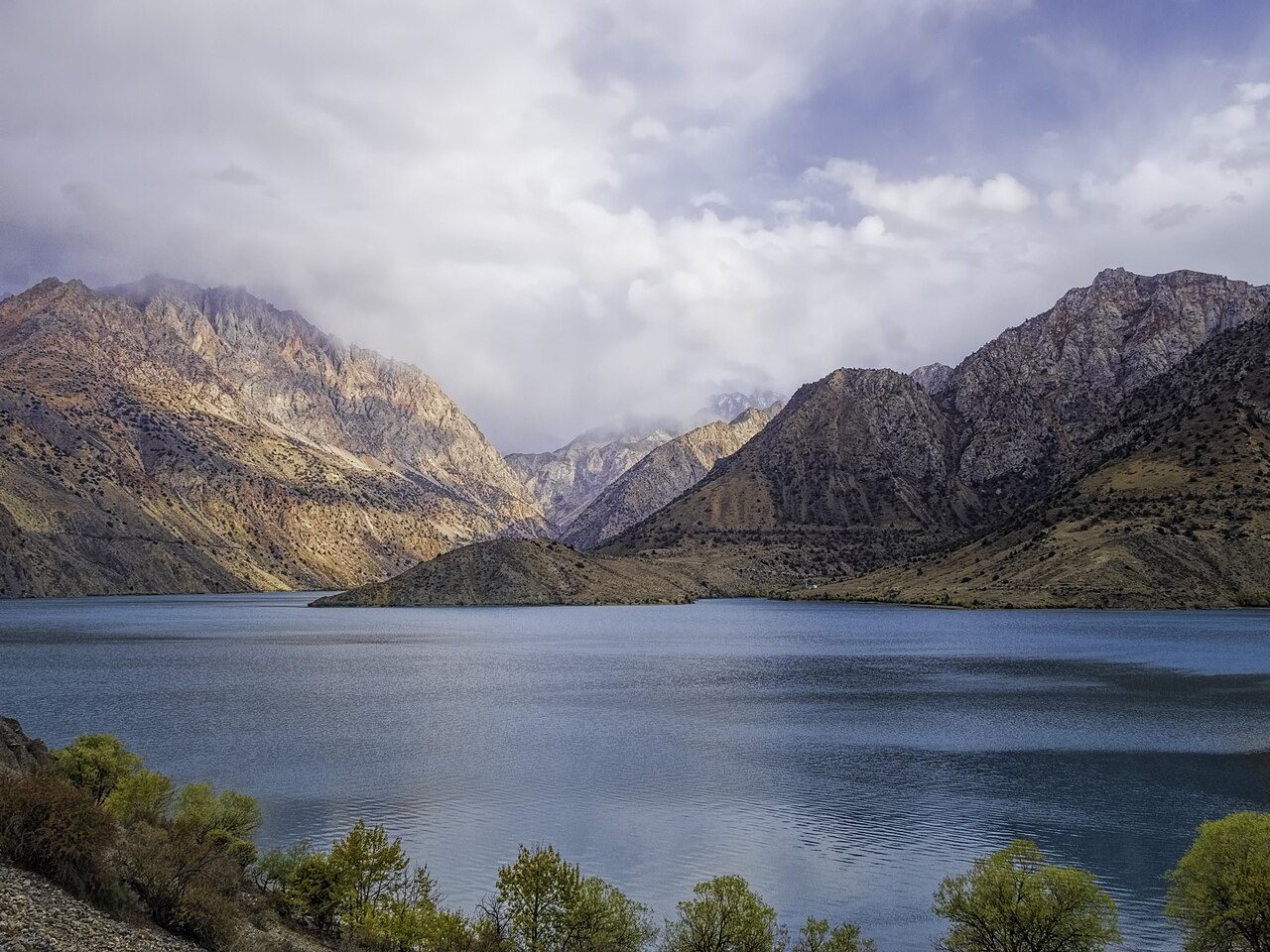
Photo credits (2)
- ALFGRN, CC BY-SA 2.0, via Wikimedia Commons
- Dan Lundberg, CC BY-SA 2.0, via Wikimedia Commons