
Iskanderkul Lake
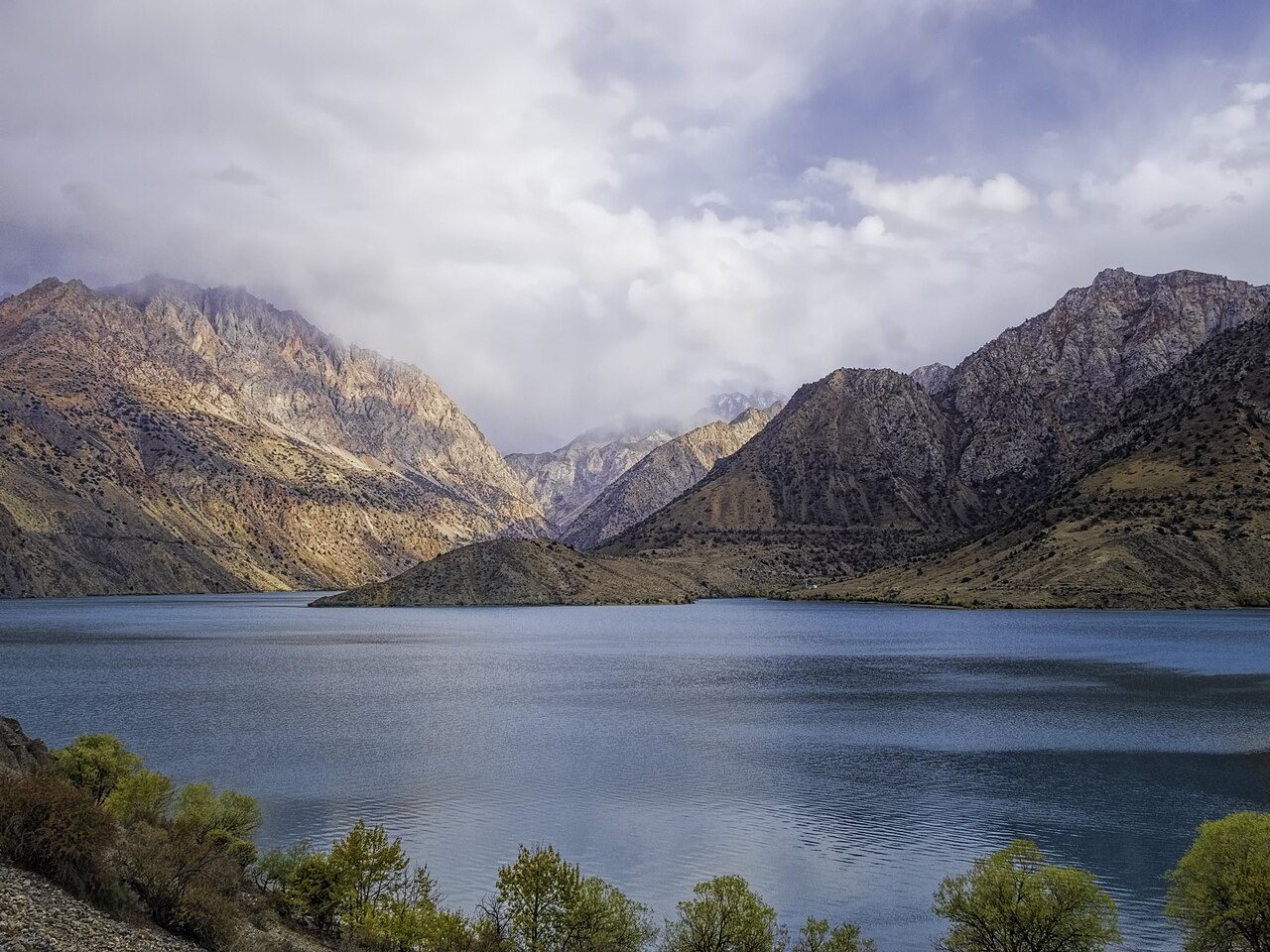
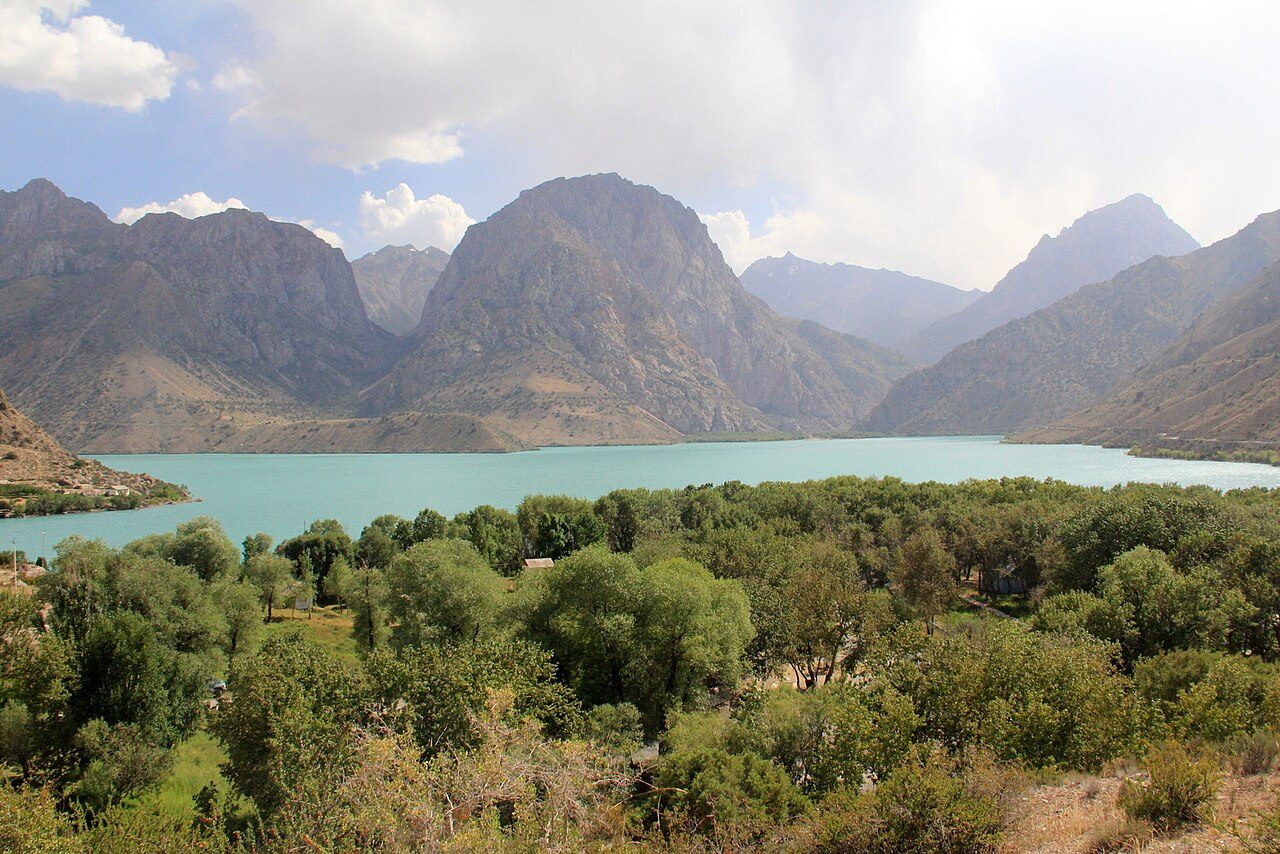
Cupped at an elevation of 2,195 meters beneath the jagged limestone spires of the Fann Mountains, this triangular expanse of glacial water carries the Eastern moniker of Alexander the Great, who swept through ancient Sogdiana in 329 BCE. Local lore insists the Macedonian conqueror engineered the lake’s creation by damming a river to submerge a defiant mountain citadel, while another tale claims his warhorse, Bucephalus, drowned in its depths and still surfaces beneath full moons. Ringed by rust-red scree slopes and weathered Soviet-era timber dachas along its northern shore, the water gleams an opaque, milky turquoise—colored by finely ground mineral silt washing down from high cirques. Standing on the wind-scoured gravel beaches, travelers encounter a biting alpine chill that keeps the water cold enough to numb skin within seconds, paired with the sharp, resinous aroma of wild juniper. A narrow footpath carved through slate-gray cliffs leads to a precarious steel catwalk suspended over the "Fann Niagara," where the lake’s primary outflow, the Iskander Darya, plunges 43 meters into a claustrophobic canyon with deafening force. Up above, the limestone crown of Mount Kyrk-Shaitan dominates the horizon, casting sprawling shadows that turn the lake's bright aquamarine surface to a deep, brooding cobalt as the afternoon light wanes.
More in Penjikent
Photo credits (3)
- Dan Lundberg, CC BY-SA 2.0, via Wikimedia Commons
- Rjruiziii, CC BY-SA 3.0, via Wikimedia Commons
- ALFGRN, CC BY-SA 2.0, via Wikimedia Commons