
Penjikent
Penjikent rests in western Tajikistan along the Zeravshan River, framed by the northern slopes of the Fann Mountains near the Uzbek frontier. Walking its grid of wide avenues reveals a calm rhythm: irrigation runnels flow alongside tree-shaded footpaths, while Soviet-era brick facades neighbor gated family courtyards strung with ripening apricots. The settlement flourished from the fifth to eighth centuries as a Sogdian merchant hub. Above the modern city, the mudbrick ruins of Ancient Penjikent trace former citadel walls, Zoroastrian temples, and merchant houses that once held vibrant frescoes. Nearby lies Sarazm, a fourth-millennium BCE agricultural settlement with stone foundations and ancient metalworking kilns. In the town center, the Rudaki Museum displays surviving mural fragments, while the nearby Olim Dodkho Mosque features intricately carved wooden pillars. Daily life gravitates toward the Central Bazaar, a lively pavilion selling mountain honey, walnuts, and stamped rounds of non bread. Local teahouses serve the regional plov, simmered with sweet yellow carrots and chickpeas. During spring, residents gather for Navruz to cook sumanak, a slow-stirred wheat porridge marking the Persian New Year. The dry months of May and September bring comfortable temperatures for visiting. Within town, sights are easily reached on foot, though shared taxis congregate outside the bazaar for cheap transport into the high valleys.
Read more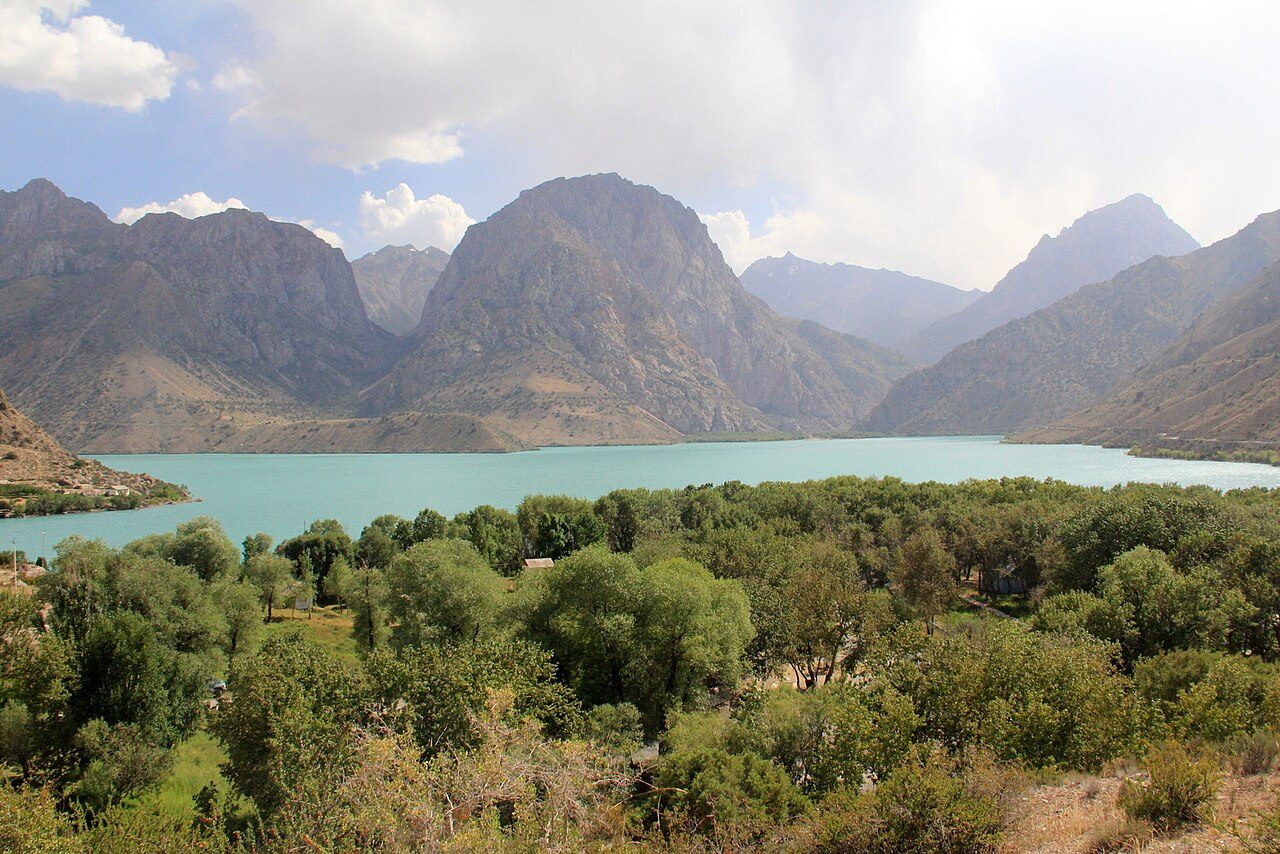
What to see in Penjikent
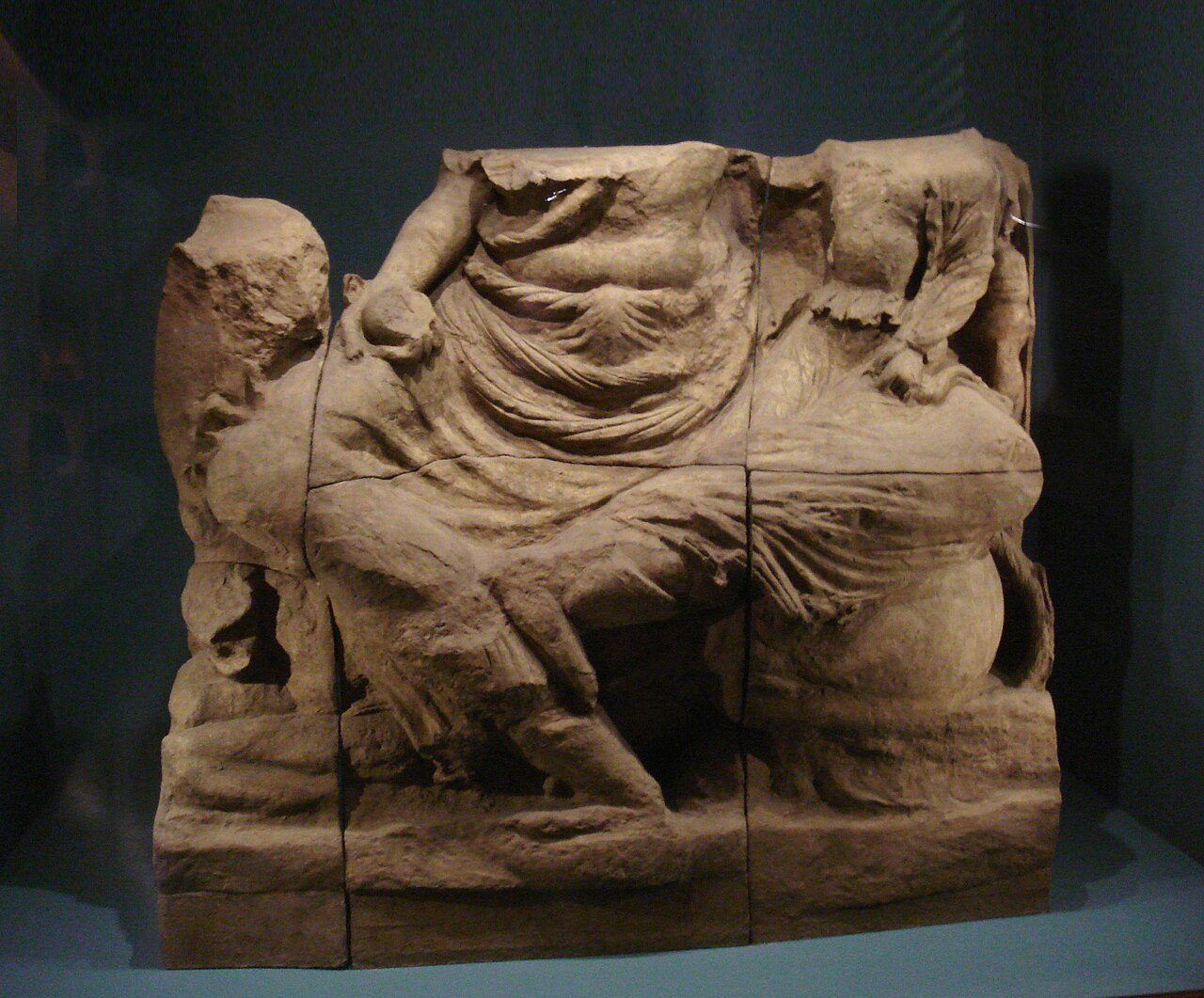
Photo credits (3)
- Rjruiziii, CC BY-SA 3.0, via Wikimedia Commons
- Dan Lundberg, CC BY-SA 2.0, via Wikimedia Commons
- ALFGRN, CC BY-SA 2.0, via Wikimedia Commons