Bulgaria rewards first-time visitors with layers of ancient history, alpine mountains, and distinct culinary traditions. This guide outlines top destinations, travel logistics, and private guided options to help you plan an efficient trip.
Bulgaria offers first-time travelers a compact mix of rugged mountains, ancient ruins, and vibrant cities shaped by Thracian, Roman, and Ottoman heritage. With efficient road connections between key hubs like Sofia, Plovdiv, and Veliko Tarnovo, you can explore centuries of history alongside hearty regional food without covering overwhelming distances. Planning ahead around regional routes and reliable local transport ensures a seamless first trip.
Essential Sights for First-Time Visitors
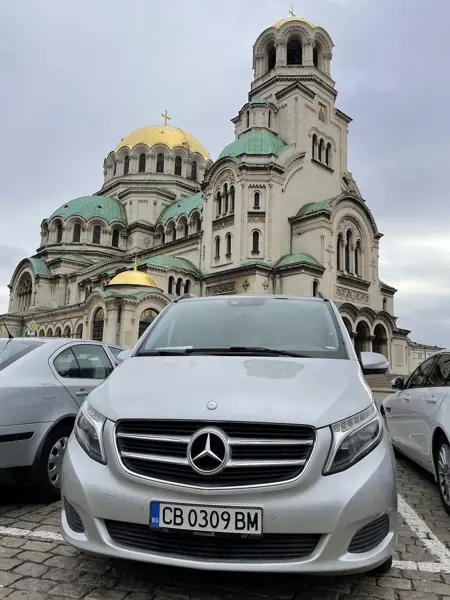
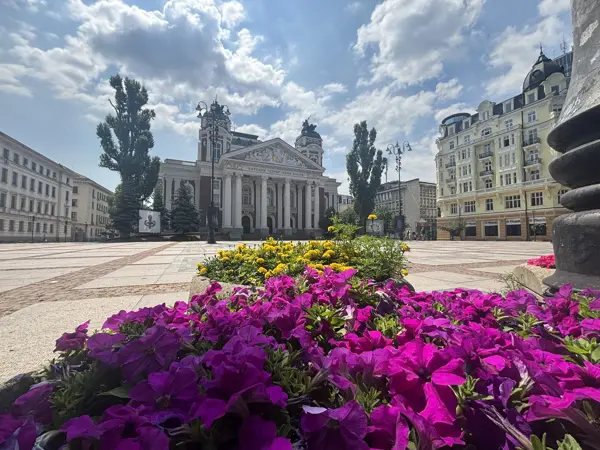
Most journeys begin in the capital, Sofia, situated under the granite massif of Vitosha. In the historic core, the gold-leafed domes of Alexander Nevsky Cathedral anchor the skyline. Just along the pedestrian thoroughfare of Vitosha Boulevard, outdoor cafes frame views toward the mountain slopes. On the outskirts of the capital, the medieval stone walls and historic frescoes of Boyana Church present an intimate look at early Slavic art.
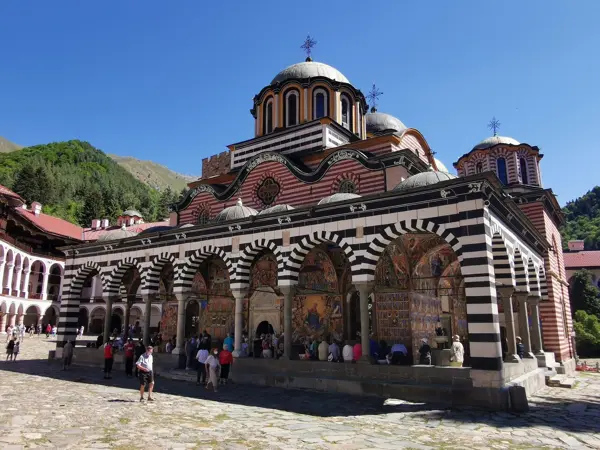
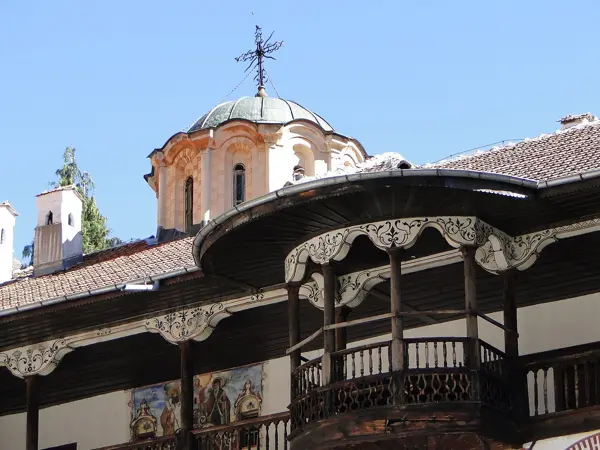
South of the capital, deep in the forested Rila Mountains, stands Rila Monastery. Founded in the tenth century by the hermit St. John of Rila, its striped cloister arcades and defensive tower make it one of the country's most iconic cultural landmarks.
Further east across the Thracian lowlands, Plovdiv claims fame as one of Europe's oldest continuously inhabited settlements. A walk through Old Plovdiv reveals 19th-century merchant mansions perched directly above ancient ramparts. The preserved marble tiers of the Plovdiv Roman Theatre overlook the modern city center, while the ancient hilltop at Nebet Tepe gives panoramic views over the plains. Down below, the tangled pedestrian streets of the Kapana District house artisan craft shops, galleries, and lively cafes.
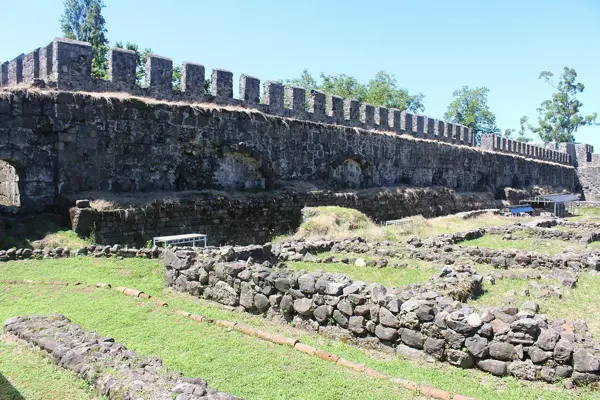
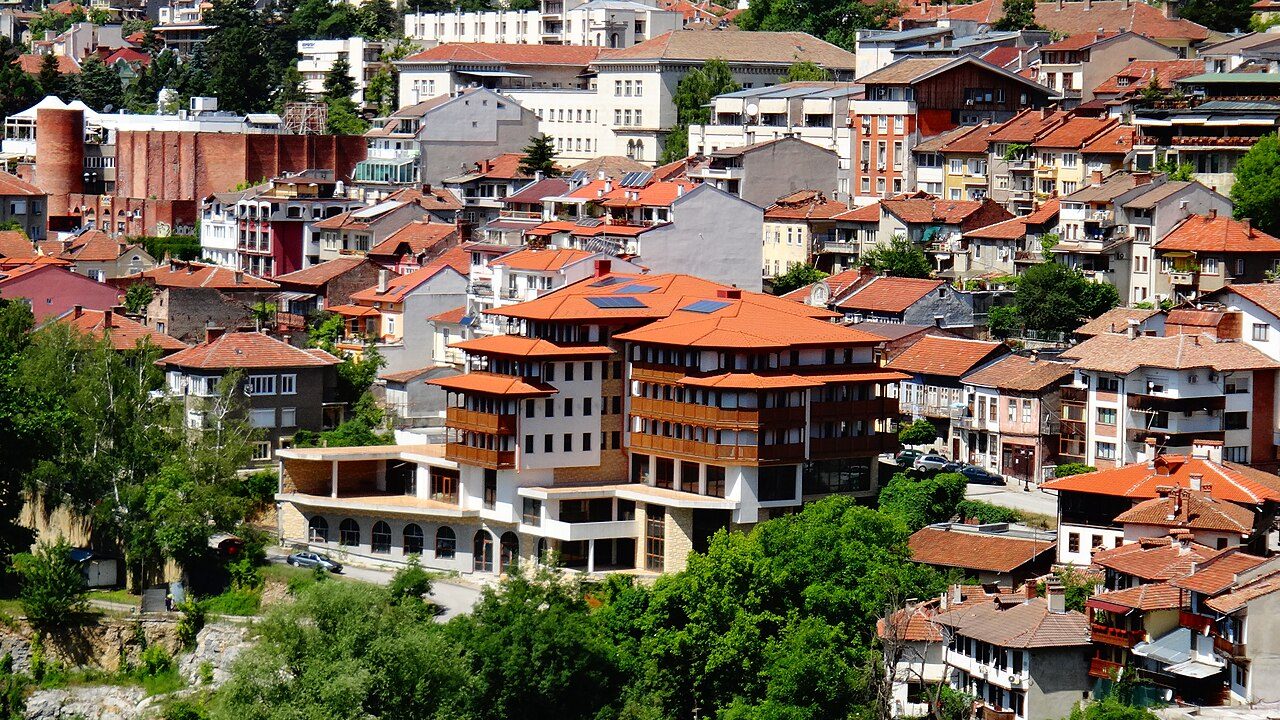
North across the Balkan ridges, Veliko Tarnovo showcases medieval royal heritage at the massive citadel of Tsarevets, ringed by the winding loops of the Yantra River. In the northwest, the red sandstone towers of the Belogradchik Rocks surround the historic Belogradchik Fortress, where Roman defenses blend naturally into ancient rock formations.
How to Get Around Bulgaria
Getting around Bulgaria is straightforward if you plan according to your destinations. Major cities like Sofia, Plovdiv, and coastal hubs are connected by rail and intercity coach lines. Trains are steady and scenic through mountain passes, though intercity buses often provide faster connections between regional hubs.
When navigating regional highlights like secluded monasteries or the fortress walls of Belogradchik, private drivers or direct guided day tours save substantial travel time. Within Sofia, an extensive metro system links the airport to the city center, while central Plovdiv and Veliko Tarnovo are best explored on foot due to cobblestone lanes and steep hillsides.
Trip Costs and Bookable Tours
Bulgaria remains an accessible destination compared to Western European hubs, offering high value across dining, lodging, and private guiding services. Meals of shopska salad, grilled meats, and local wine are reasonably priced, and public transport fares are modest.
On Tour & Car, you can hire verified local guides for half-day city walks or complete full-day excursions:
- Tour of Sofia by Mercedes V Class: 3-hour private driving tour with guide Pavlina Docheva, from $70 for your whole group.
- Walking Sightseeing Tour of Sofia: 3-hour private foot tour covering Sofia's central monuments, priced at $120 for your whole group.
- One Day Tour to Plovdiv from Sofia: 8-hour private full-day trip to Roman ruins and Old Town sights, priced at $330 for your whole group.
- One Day Tour to the Rila monastery from Sofia: 8-hour private excursion deep into the Rila Mountains, priced at $330 for your whole group.
Choosing a private vehicle tour gives your group complete flexibility over pacing and photo stops along regional highways.
Best Time to Visit and Key Events
Bulgaria experiences four distinct seasons. Late spring through early autumn brings pleasant weather across both the plains and high mountain trails. Summers are warm and dry, ideal for outdoor cafe dining and exploring coastal spots like Nesebar. Autumn features cooler hiking conditions and grape harvest festivities in the Thracian lowlands.
Late-year visitors can experience several annual cultural events. In Plovdiv, autumn brings the XVII Balabanov House Music Days alongside the Young Wine Festival in November. Sofia hosts diverse cinema programs, including Kinomania and the French Film Festival in November. Heading into December, both major cities install seasonal open-air markets, including the Deutscher Weihnachtsmarkt Sofia and the Sofia Christmas Fest.
Sample 7-Day First-Timer Itinerary
This classic loop balances Roman antiquities, mountain monasteries, and medieval strongholds:
- Days 1 to 2: Sofia. Walk central landmarks, admire the domes of St Aleksander Nevski Cathedral, and sample traditional pastry and yogurt on Vitosha Boulevard. Take a half-day trip to Boyana Church on the slopes of Vitosha.
- Day 3: Rila Mountains. Travel south into the Rila range to visit Rila Monastery, touring the central courtyard, museum collections, and mountain trails.
- Days 4 to 5: Plovdiv. Head east across the Thracian plain. Spend two days wandering the cobblestone lanes of Old Plovdiv, catching sunset from Nebet Tepe, visiting the Roman Theatre, and enjoying dinner in the Kapana District.
- Days 6 to 7: Veliko Tarnovo. Cross the central Balkan range north to Veliko Tarnovo. Spend a full day exploring the ramparts of Tsarevets before returning to Sofia for departure.
Practical Tips for Your First Trip
- Currency and cards: While cards are widely accepted in city restaurants and hotels, carrying local currency in cash is wise for small bakeries, mountain market stalls, and regional taxi rides.
- Alphabet basics: Bulgaria is the birthplace of the Cyrillic script. Street signs in central tourist hubs frequently feature Latin transliterations, but learning basic Cyrillic letters helps greatly when reading bus destination boards and regional highway exits.
- Footwear: Historic centers such as Old Plovdiv and Tsarevets feature steep, uneven cobblestones. Pack sturdy walking shoes with strong grip.
- Dining etiquette: Dining is unhurried. Dinner typically begins with grape rakia alongside a shopska salad of sliced tomatoes, cucumbers, and grated white sirene cheese before hot mains are served.