
 New added
Nebet Tepe
Crowning the northern crest of Plovdiv’s Three Hills, Nebet Tepe preserves the primal cradle of one of Europe’s oldest continuously inhabited cities. Human presence here traces back to the fourth millennium BCE, evolving from a Bronze Age Thracian settlement known as Eumolpias before Philip II of Macedon fortified the strategic heights in 342 BCE. The archaeological plateau reveals a layered architectural palimpsest: monumental cyclopean stone blocks laid dry in the Thracian tradition, a vaulted Hellenistic postern gate designed for covert sorties, and the sunken, brick-lined ruins of a 350,000-liter Roman cistern engineered to sustain Roman and Byzantine garrisons during protracted barbarian sieges. Today, the summit remains wild and exposed, its dark syenite bedrock worn smooth by millennia of footfalls. Clambering over the fractured medieval ramparts, visitors encounter an exhilarating 360-degree panorama: the terracotta-tiled rooftops of the National Revival Old Town tumble downhill into the modern city center, framed by the winding Maritsa River and the hazy silhouette of the Rhodope Mountains. In the late afternoon, as mountain winds sweep across the open plateau and sunset turns the ancient stones amber, the Ottoman name *Nevbet Tepe*—the "Hill of the Guards"—feels acutely present, evoking thousands of years of sentinel duty above the Thracian Plain.
More in Plovdiv
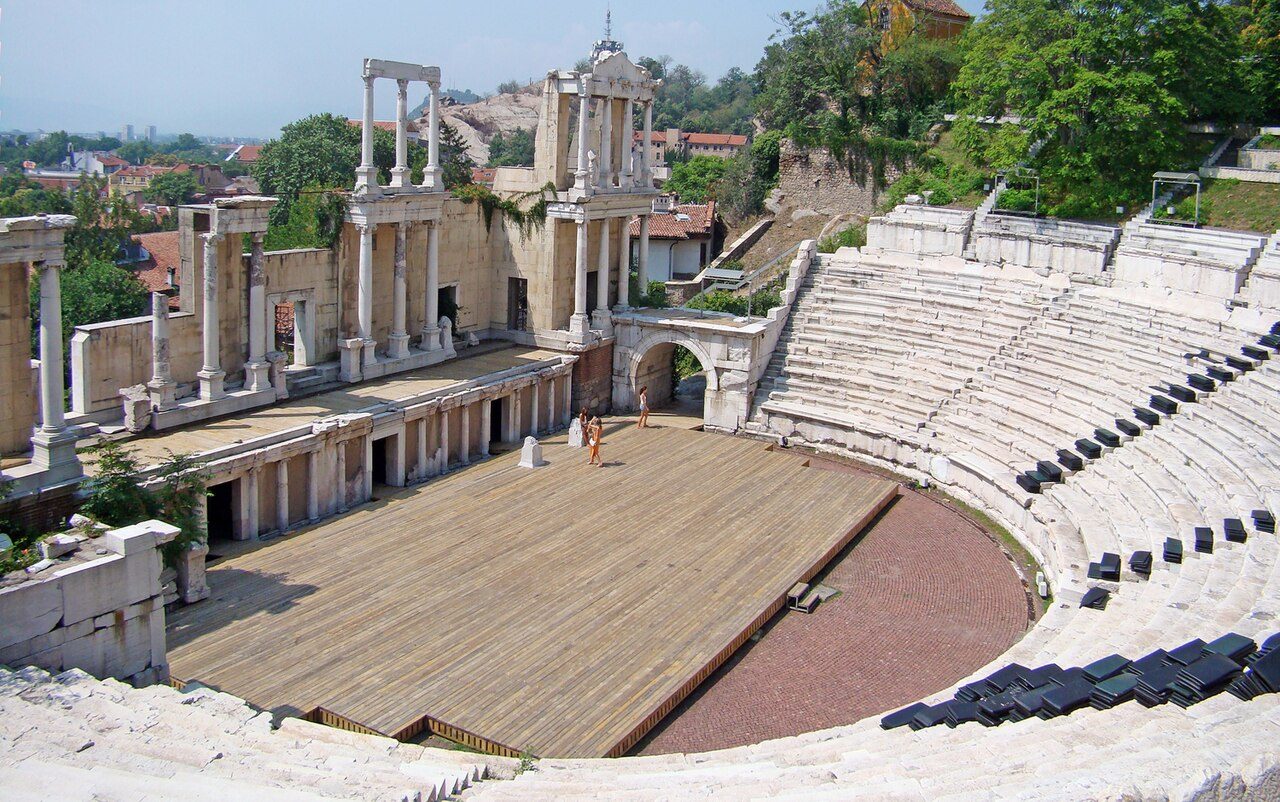
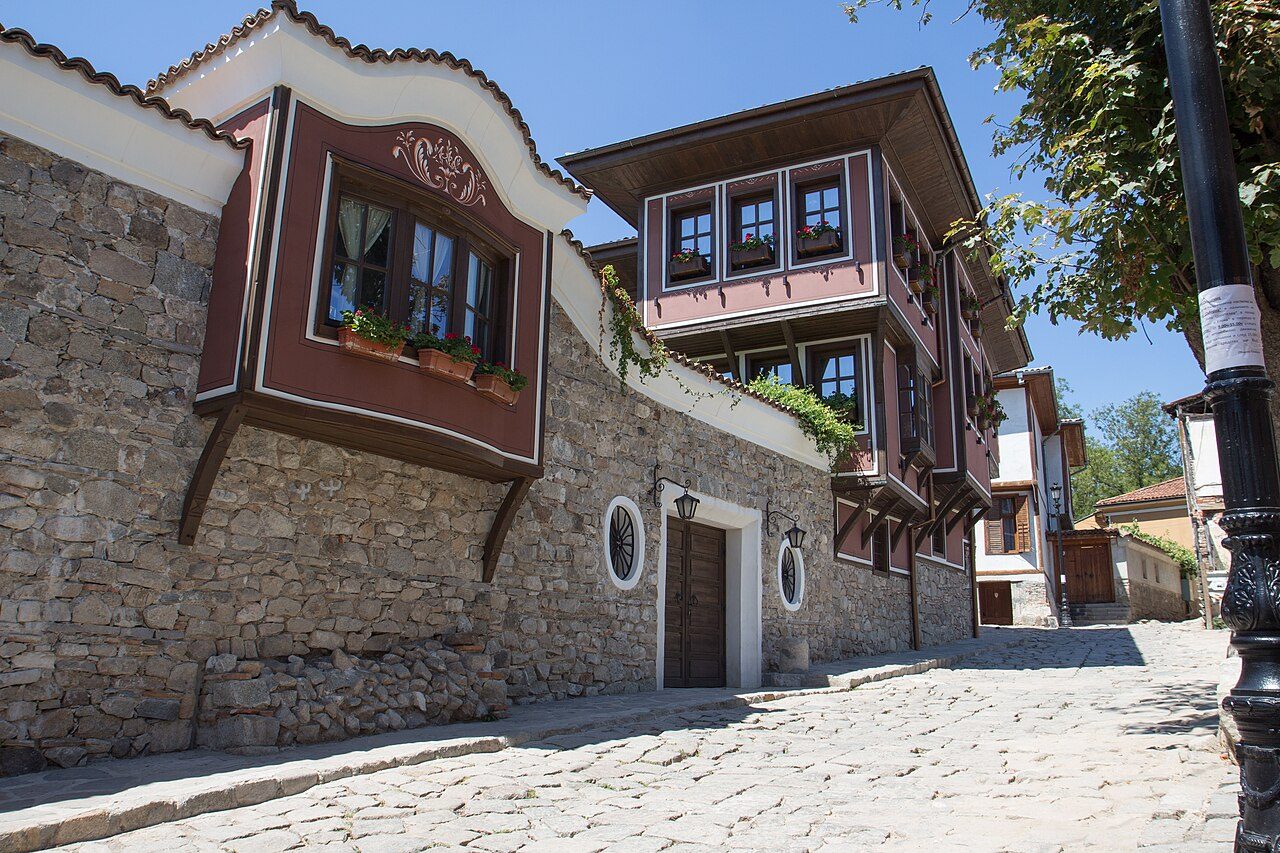
Photo credits (2)
- Edal Anton Lefterov, CC BY-SA 3.0, via Wikimedia Commons
- Faces&&Places, CC BY 2.0, via Wikimedia Commons