
Belogradchik Fortress
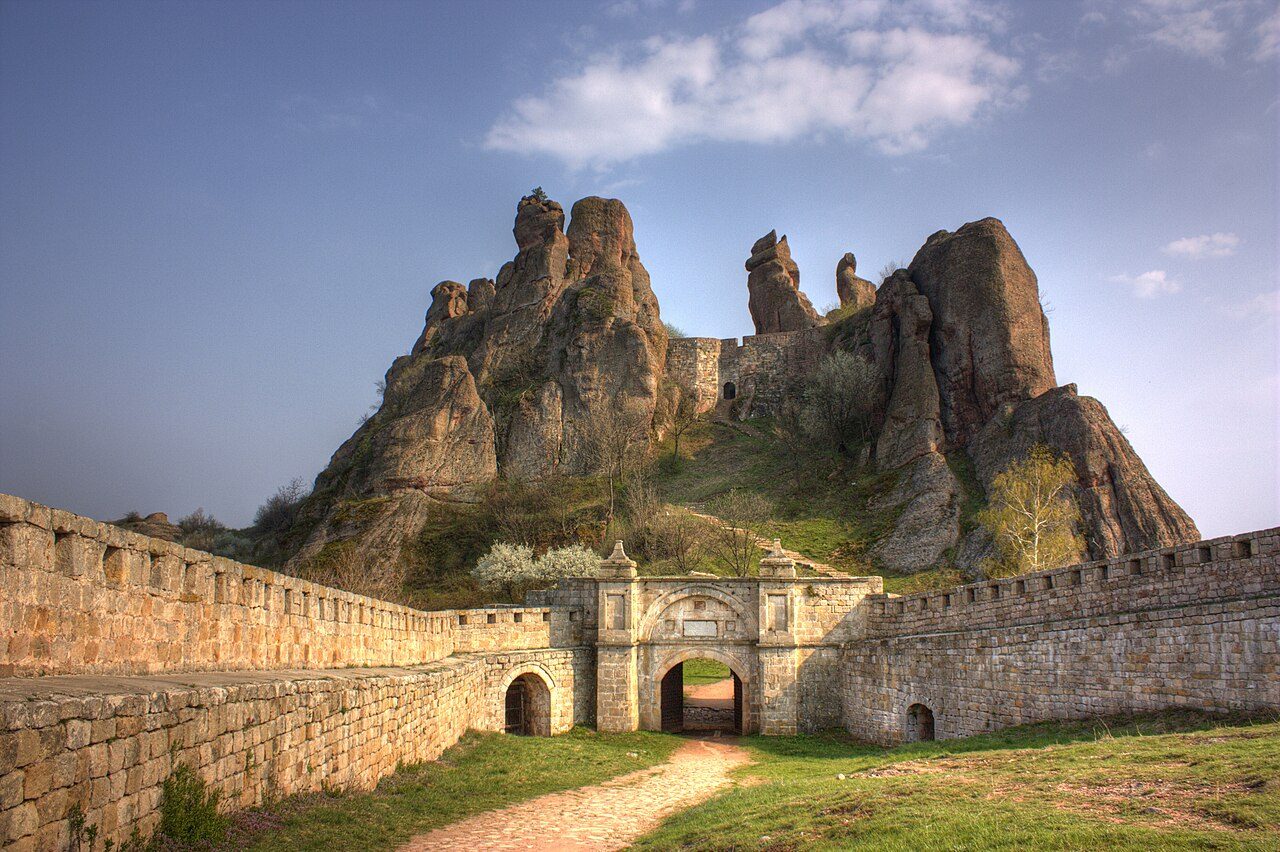
Rising dramatically from northwest Bulgaria’s rugged landscape, Belogradchik Fortress—known locally as *Kaleto*—fuses monumental Roman masonry with a surreal labyrinth of ancient, ochre-tinted sandstone pinnacles. Initially established as an imperial surveillance outpost between the 1st and 3rd centuries AD, the stronghold capitalized on natural rock towers reaching 70 meters high, requiring man-made ramparts on only the northwest and southeast flanks. Its strategic importance surged under Vidin ruler Tsar Ivan Stratsimir in the 14th century, before an Ottoman overhaul between 1805 and 1837—directed by French and Italian military engineers—transformed it into an artillery redoubt complete with three tiered, interlinked courtyards, embrasures for cannons, and stone ramparts up to twelve meters thick secured by heavy iron gates. Crossing the threshold into the lower bailey, travelers navigate a stark defensive perimeter before ascending steep iron and timber stairways bolted directly into narrow rock fissures. The middle courtyard reveals subterranean ammunition vaults and grain cisterns cut into the stone, but the sensory climax awaits at the uppermost citadel. Emerging onto dizzying stone parapets, where Ottoman garrisons last exchanged fire during the 1885 Serbo-Bulgarian War, visitors encounter sharp mountain gusts carrying the scent of dry pine. Beneath your feet, the sculpted red and yellow conglomerate rock drops away vertically, offering an unobstructed vista over the rolling ridges of the western Balkan Mountains.
More in Belogradchik
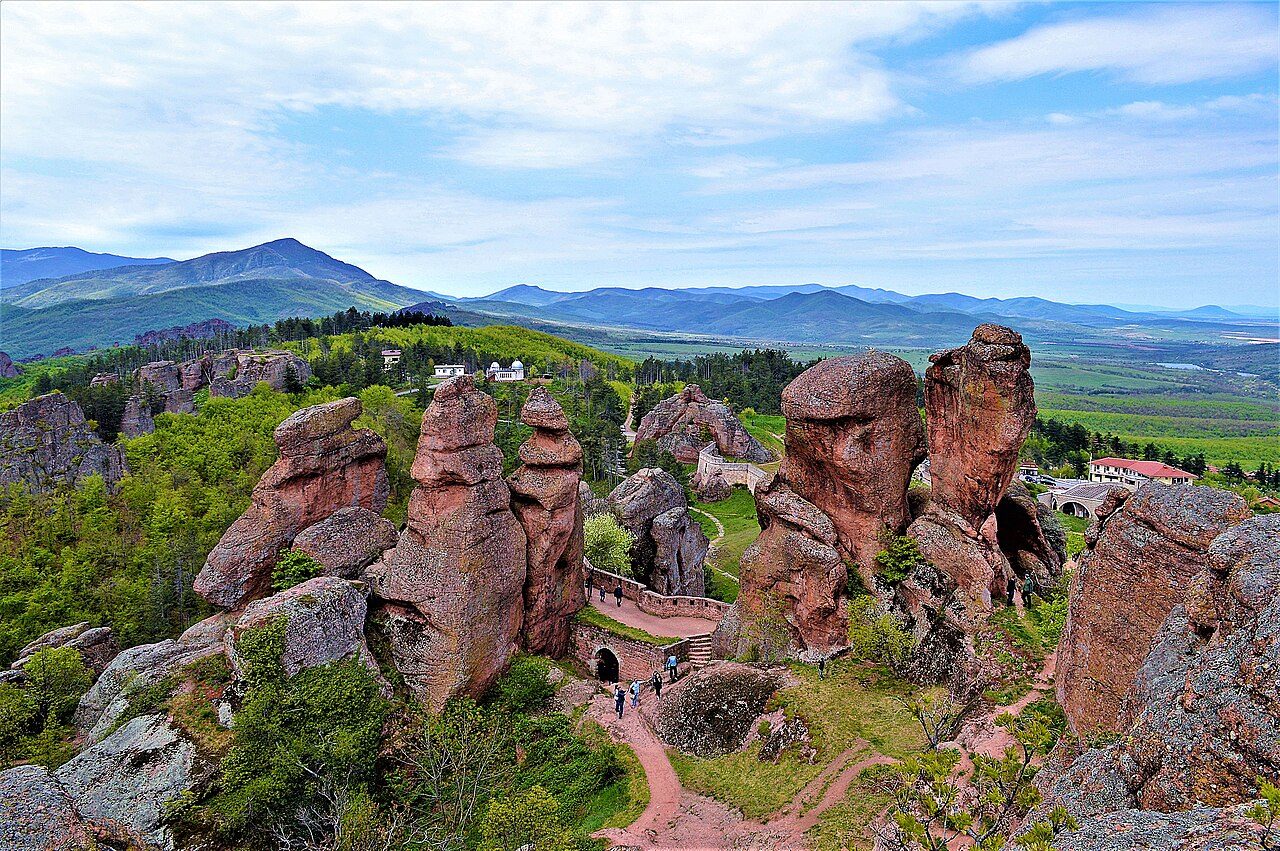
Photo credits (2)
- Klearchos Kapoutsis, CC BY 2.0, via Wikimedia Commons
- Fonvan, CC BY-SA 4.0, via Wikimedia Commons