
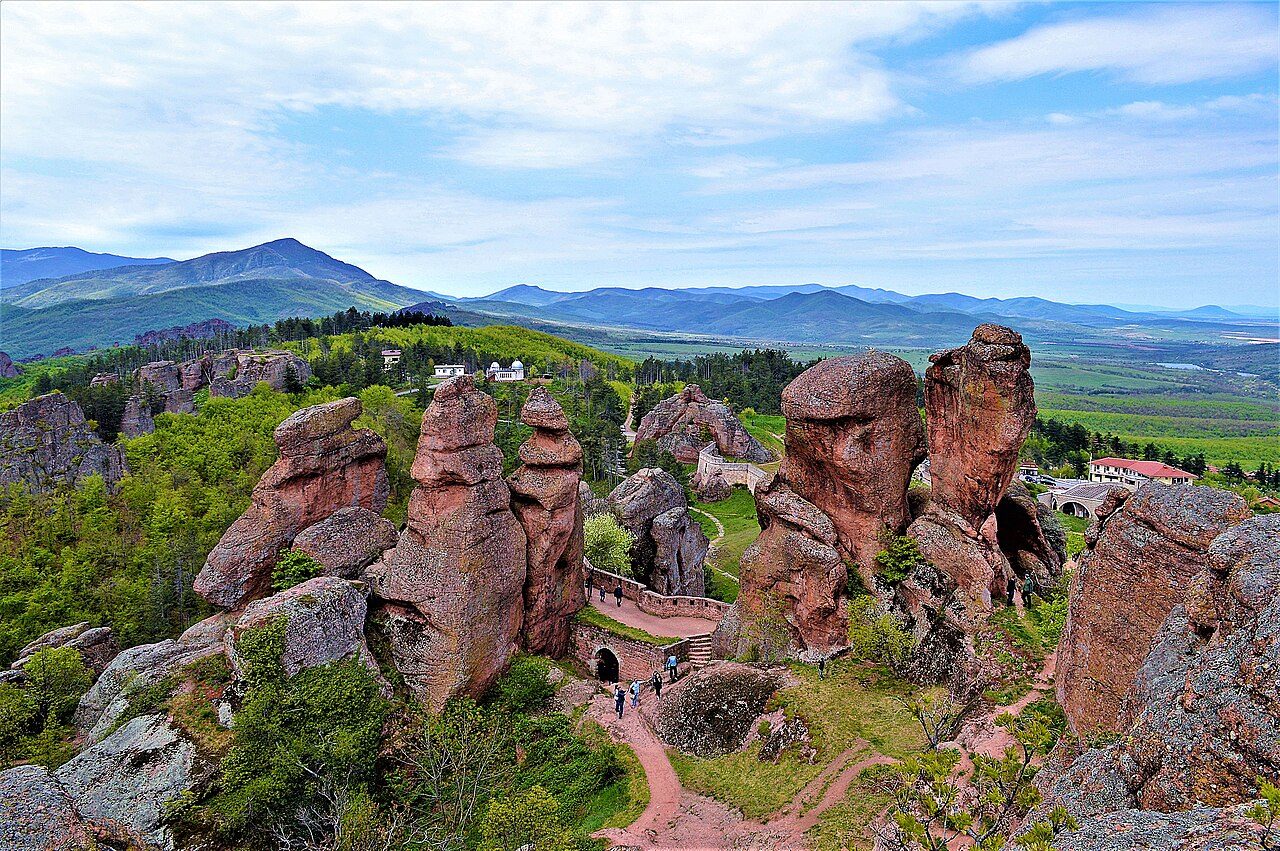
Belogradchik Rocks
Thrusting dramatically out of the forested foothills of the western Balkan Mountains, the Belogradchik Rocks form a labyrinth of iron-rich, red-ochre sandstone and conglomerate towers rising up to 200 meters high. Over 230 million years of erosion sculpted these fantastical, legend-steeped silhouettes—such as the Madonna and the Monks—into which human empires integrated their defenses. Wedged seamlessly into the natural monoliths is Kaleto Fortress, an architectural marvel originating as a 1st-century Roman outpost. Later expanded by Tsar Ivan Stratsimir of Vidin in the 14th century and heavily reinforced by Ottoman engineers in the 1830s under Sultan Mahmud II, the citadel utilizes sheer stone pinnacles as natural ramparts, linking them with masonry walls up to two meters thick. Visitors navigate three tiered, defensive courtyards flanked by embrasures and fortified gates, tracing the grounds where local insurgents fought during the 1850 Belogradchik Uprising. The ascent culminates along sheer, handrail-assisted stairways carved directly into the rock face, leading through narrow clefts to the fortress's highest redoubt. Standing atop the sun-baked conglomerate plateau, travelers face an arresting 360-degree panorama of jagged terracotta towers rolling toward the misty ridges of the Stara Planina. The experience is both tactile and atmospheric: the rough, iron-stained grit beneath your palms, the whistling mountain draft funneling through the ravines, and an overwhelming perspective of ancient military vigilance set against deep geological time.
More in Belogradchik
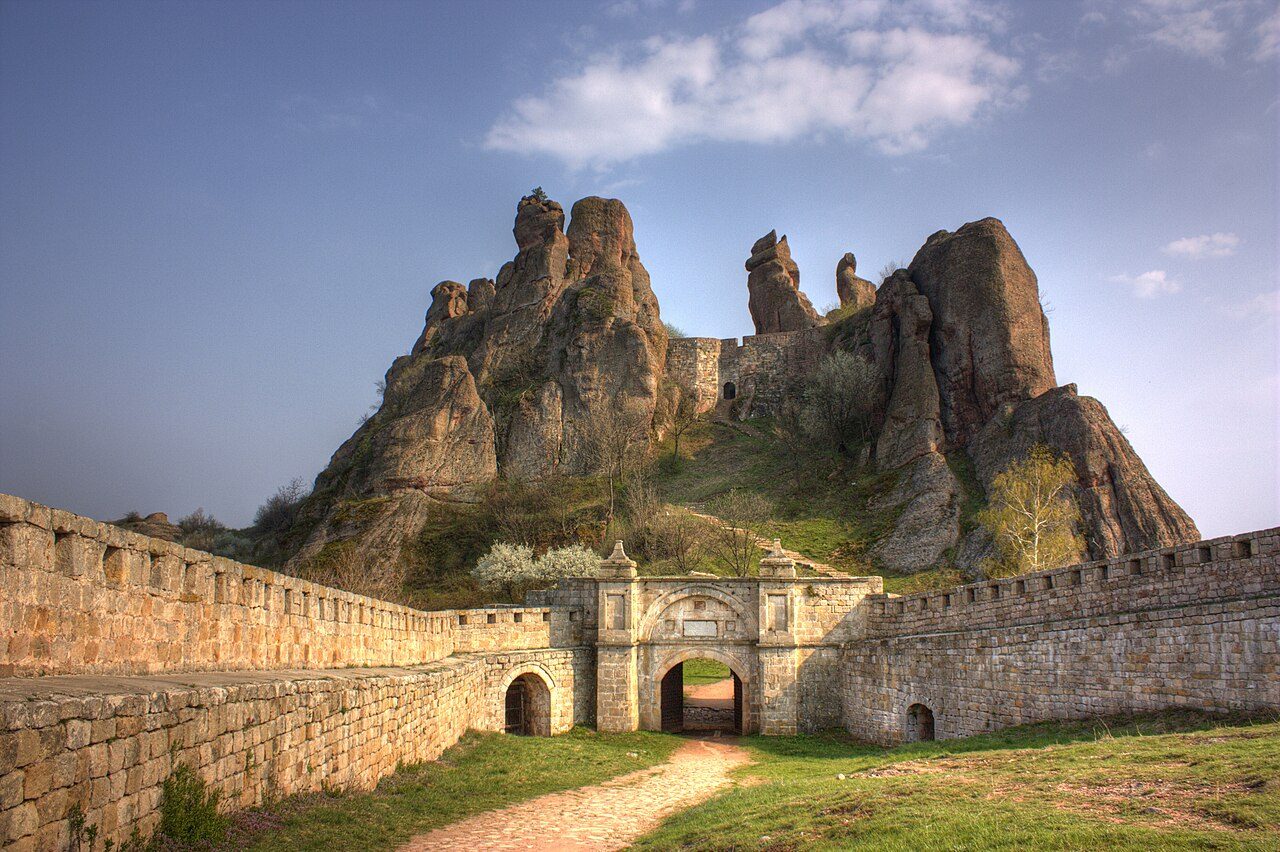
Photo credits (2)
- Fonvan, CC BY-SA 4.0, via Wikimedia Commons
- Klearchos Kapoutsis, CC BY 2.0, via Wikimedia Commons