
Vitosha
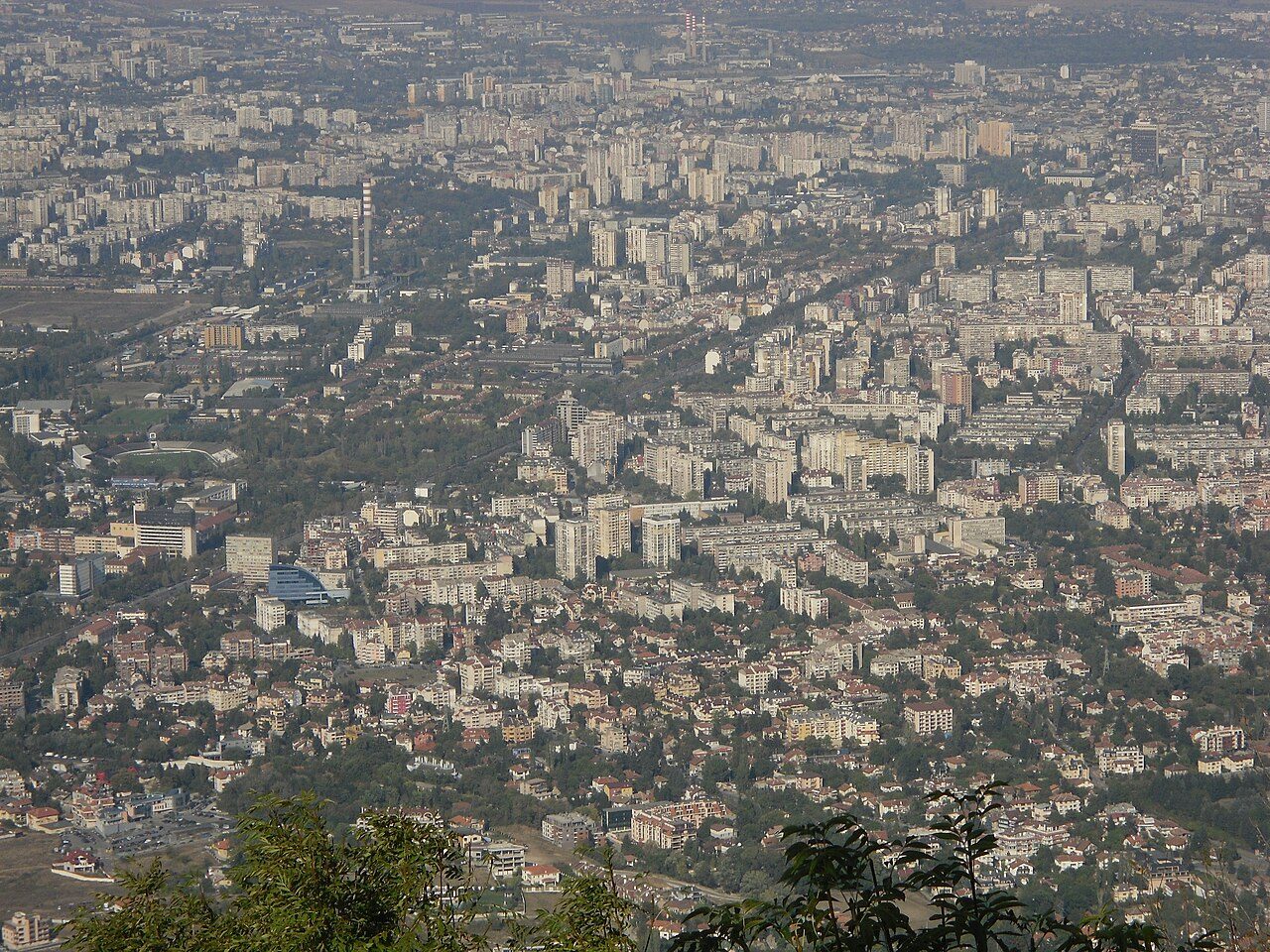
Rising as a colossal granite dome directly south of Sofia, Vitosha is intertwined with the birth of modern Bulgarian outdoor culture. In August 1895, writer Aleko Konstantinov led 300 city dwellers to the summit of Cherni Vrah (Black Peak, 2,290 meters), an expedition that catalyzed the nation's mountaineering movement. By 1934, the territory was declared the Balkan Peninsula's first nature park. Geologically striking, Vitosha's upper slopes transition into sprawling "stone rivers"—vast cascades of giant, lichen-dappled syenite boulders, most visibly preserved at Zlatnite Mostove (Golden Bridges). At the mountain’s northern foot, nestled among ancient walnut groves, sits the UNESCO-inscribed Boyana Church, whose 1259 interior frescoes represent some of Eastern Europe's most significant pre-Renaissance sacred art. Ascending past the tree line, visitors leave the urban din behind, trading asphalt for trails lined with Norway spruce, peat bogs, and alpine meadows dotted with yellow Balkan globe-flowers. At Cherni Vrah’s windswept crest, the crisp, subalpine breeze carries the scent of wild thyme and steaming herbal tea ladled inside the stone-masonry meteorological station, operational since 1935. Looking north, the entire capital sprawls like a detailed topographical map, where the gilded neo-Byzantine domes of Alexander Nevsky Cathedral catch the afternoon light; looking south, the view stretches across serrated ridgelines toward the distant, snow-capped peaks of the Rila range.
More in Sofia
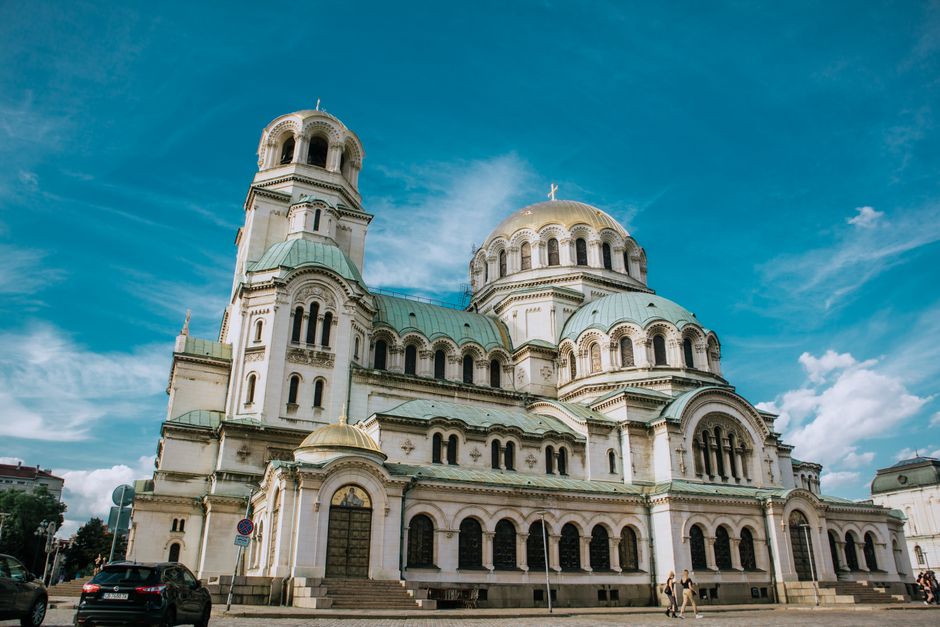
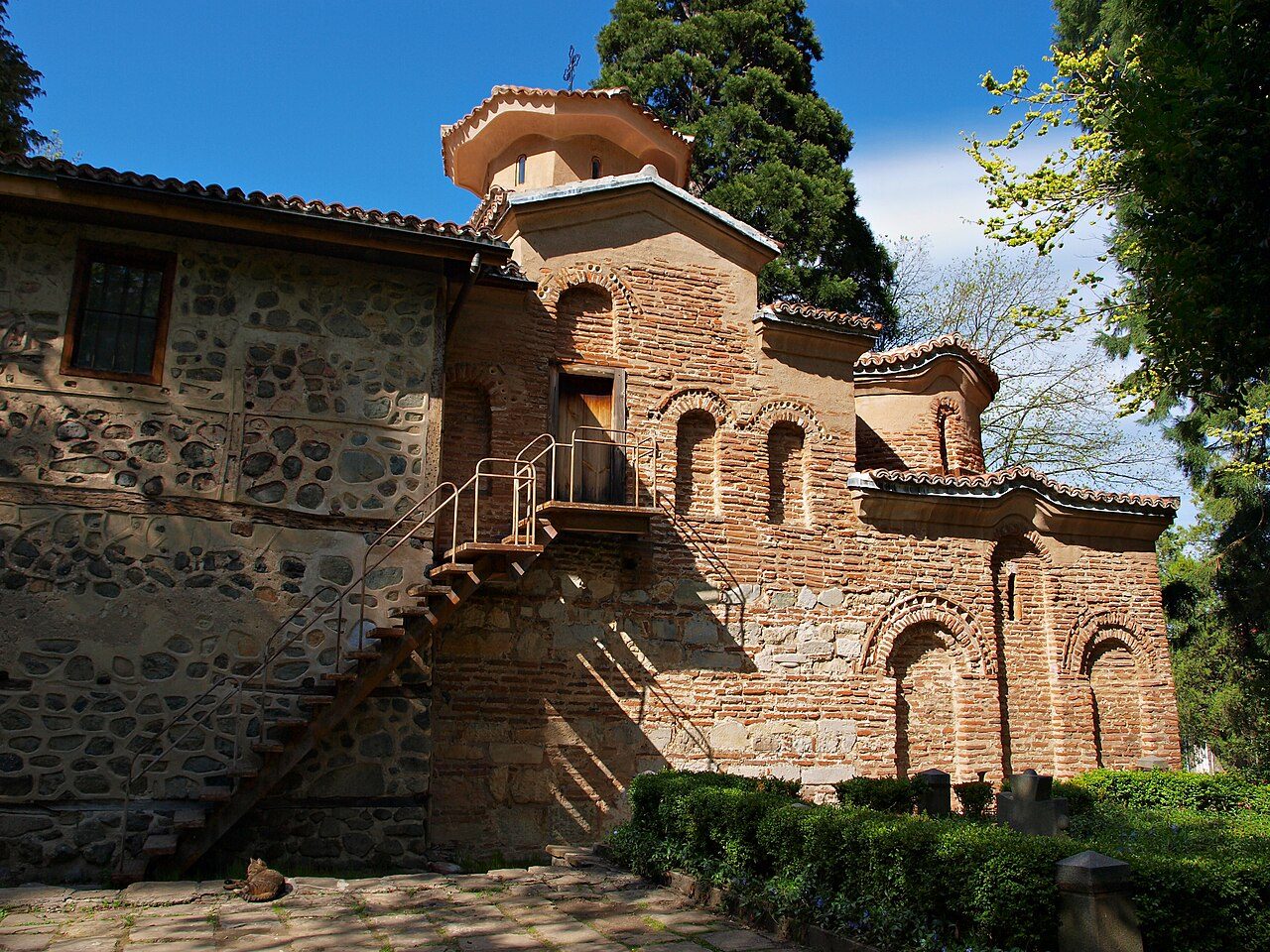
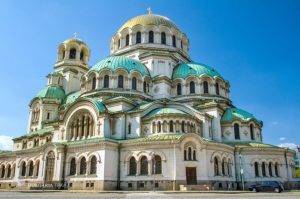
Photo credits (4)
- Венцислав Владимиров, CC BY-SA 3.0, via Wikimedia Commons
- Mark Ahsmann, CC BY-SA 4.0, via Wikimedia Commons
- Todor Bozhinov / Тодор Божинов, CC BY-SA 3.0, via Wikimedia Commons
- Raggatt2000, CC BY-SA 3.0, via Wikimedia Commons