
Veliko Tarnovo
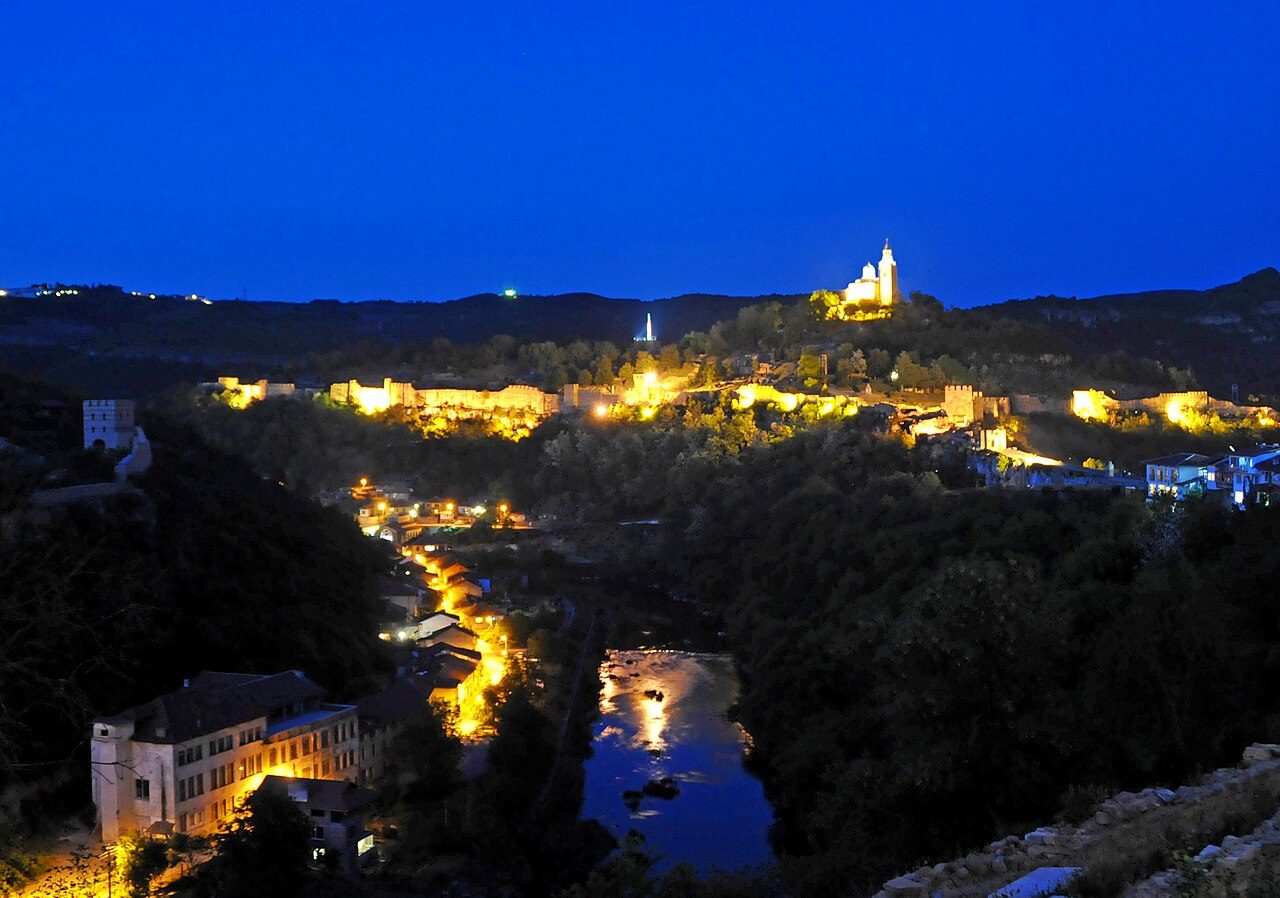
Perched on steep limestone terraces above the winding loops of the Yantra River in north-central Bulgaria, Veliko Tarnovo feels like an amphitheater of red-tiled roofs stacked directly on rock. Wandering the narrow, stair-stitched lanes means looking straight down into neighbors chimneys or up at timber-framed facades jutting out over the cobbles. The air carries the scent of woodsmoke in cooler months and river mist year-round, while the northern foothills of the Balkan Mountains rise quietly on the horizon. In 1185, noble brothers Asen and Peter led an uprising here, establishing the city as the capital of the Second Bulgarian Empire until its fall to the Ottomans in 1393. The imposing Tsarevets Fortress still dominates the skyline, enclosed by thick stone ramparts and crowned by the Patriarchal Cathedral with its stark, modernist interior frescoes. Across the gorge sits Trapezitsa, the aristocratic counterpart hill, while the nearby Samovodska Charshiya market street retains its nineteenth-century workshop rhythm, where coppersmiths, weavers, and woodcarvers ply traditional trades along curved alleys. Evenings revolve around neighborhood taverns serving dry-cured Elena fillet and clay pots of baked beans alongside regional traminer wine. Visitors gathering by the fortress after dusk on select evenings can witness the Sound and Light show, an illumination of lasers and tolling bells that recounts medieval battles against the dark stone. Late spring and early autumn bring mild temperatures for exploring the steep terrain, where sturdy shoes are indispensable, as navigating these vertical neighborhoods is best done entirely on foot.
Read more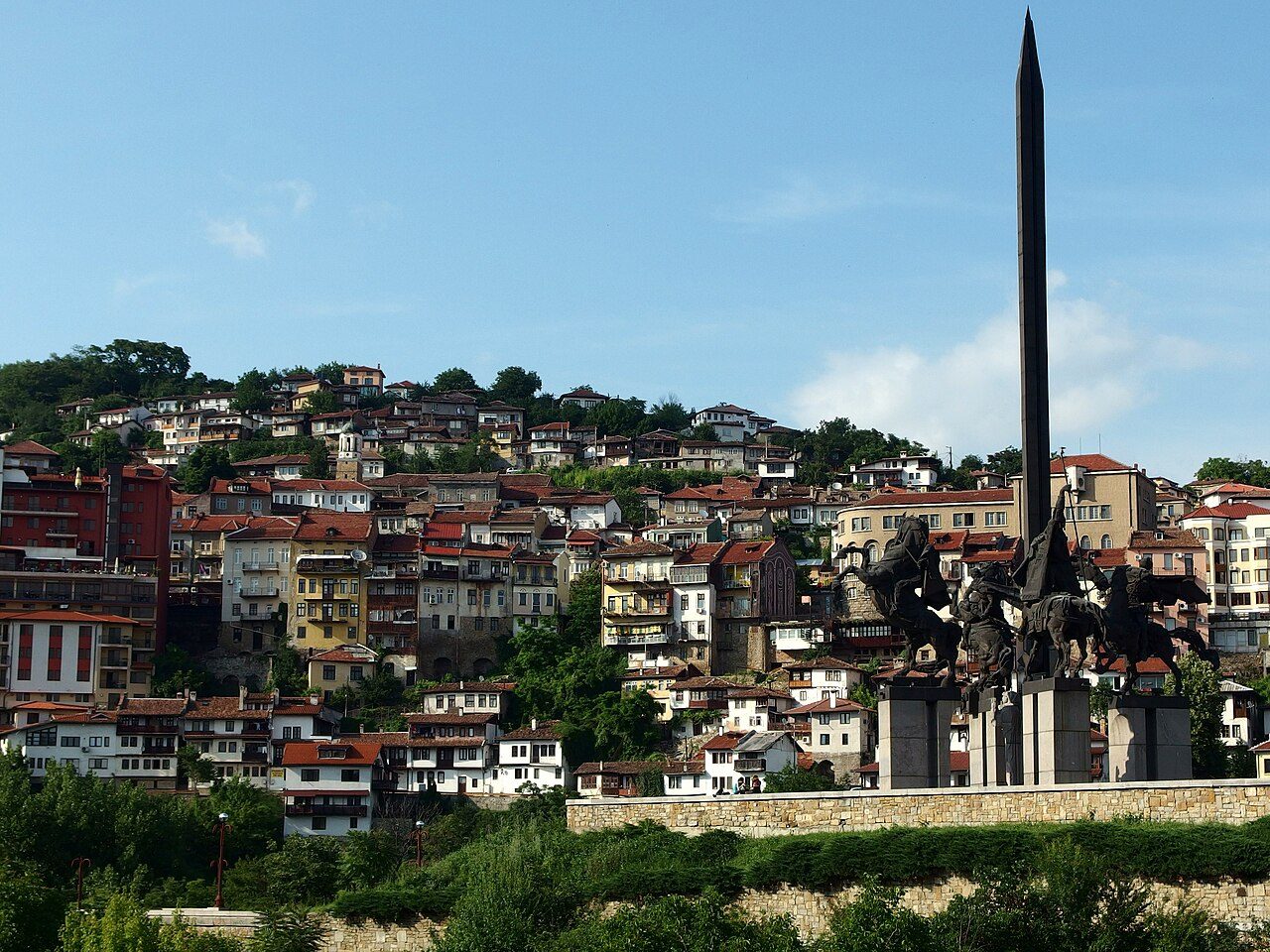
What to see in Veliko Tarnovo
Guides & drivers nearby

Photo credits (2)
- Mark Ahsmann, CC BY-SA 4.0, via Wikimedia Commons
- Dennis G. Jarvis, CC BY-SA 2.0, via Wikimedia Commons