A practical first-timer guide to exploring Turkiye, from the historic streets of Istanbul and Cappadocia's valleys to ancient Ephesus. Learn how to plan your itinerary, travel between regions, and respect local customs.
A successful first trip to Turkiye centers on balancing historic capitals, surreal geological landscapes, and ancient coastal settlements across an unhurried route. For most travelers, the quintessential first-time journey links the storied quarters of Istanbul, the volcanic valleys of Cappadocia, and the classical Greco-Roman heritage surrounding Ephesus. Coordinating internal connections and booking trusted local specialists on Tour & Car ensures a smooth transition across this vast crossroads of continents.
Key Destinations for First-Time Travelers
Because Turkiye spans over a thousand kilometers from east to west, first-time visitors should focus on three or four core regions rather than attempting to cross the entire map.
Istanbul
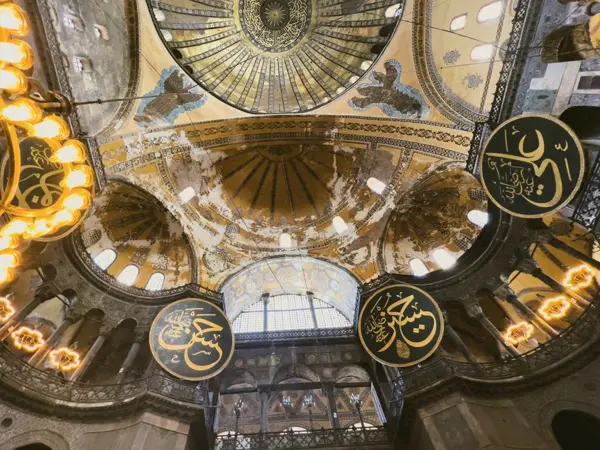
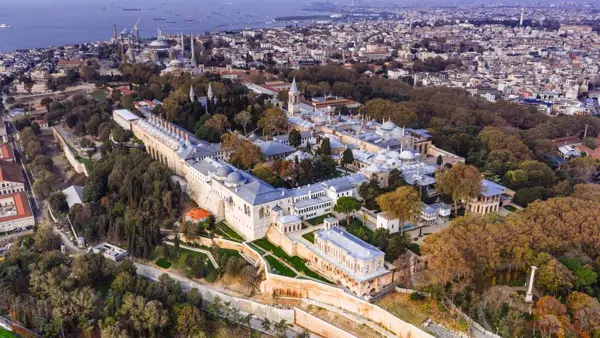
As the former capital of Byzantine and Ottoman rulers, Istanbul is the primary gateway. The city spans both sides of the Bosphorus Strait, dividing Europe and Asia. The historic peninsula concentrates centuries of imperial monuments, bustling covered markets, and traditional ferry routes that provide an effortless orientation to Turkish urban life.
Cappadocia
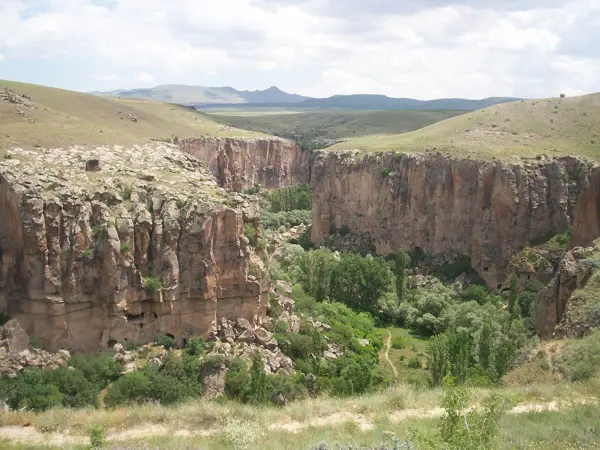
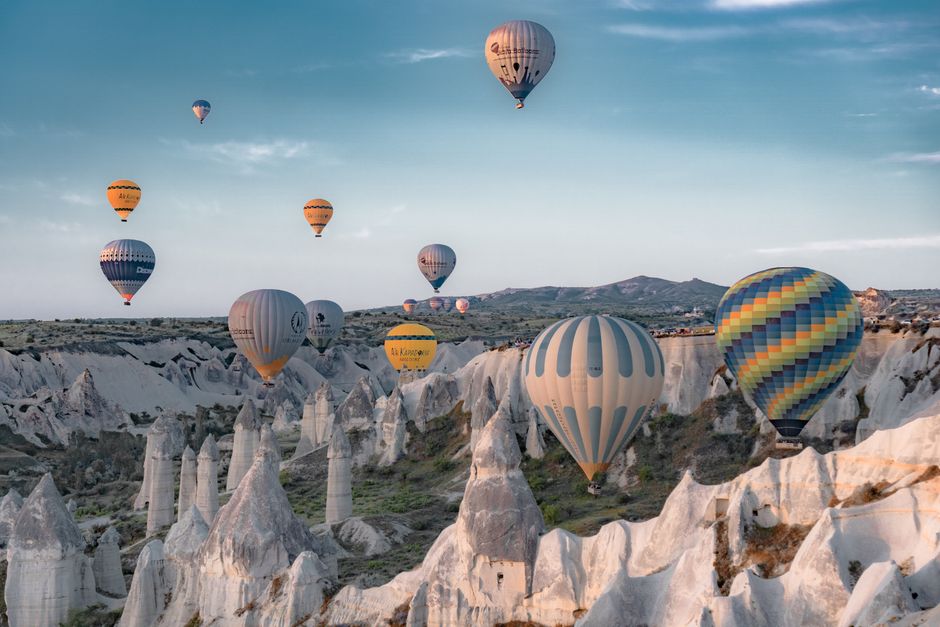
Located in central Anatolia, Cappadocia features a moon-like terrain formed from ancient volcanic ash. Over millennia, wind erosion and human excavation sculpted deep canyons, multi-tiered underground settlements, and conical rock formations known as Fairy Chimneys. It serves as the country's prime base for outdoor exploration and hot-air ballooning.
The Aegean Coast and Selcuk
Centered around Izmir and the agricultural town of Selcuk, this western coastal shelf contains exceptionally well-preserved classical ruins. It is the ideal place to understand Greco-Roman maritime trade, early Christian monastic traditions, and relaxed Aegean food culture.
The Mediterranean Riviera
Further south along the turquoise coastline sits Antalya, flanked by the dramatic Taurus Mountains. This area combines pebble and sand beaches with spectacular ancient architecture and dramatic waterfalls that empty straight into the sea.
Essential Sights to Anchor Your Itinerary
To make the most of your days, build your daily plans around these significant cultural and historical landmarks:
- Blue Mosque (Istanbul): Commissioned by Sultan Ahmed I between 1609 and 1616, this imperial mosque commands the skyline of historic Sultanahmet with its cascading domes, six minarets, and radiant blue Iznik tiles.
- Basilica Cistern (Istanbul): Built in 532 AD under Byzantine Emperor Justinian I, this subterranean chamber once held 80,000 cubic meters of freshwater, supported by over 300 ornate marble columns.
- Balloon Rides (Cappadocia): Floating over the valleys at dawn offers an aerial vantage over the volcanic canyons and cliffside cave dwellings of central Anatolia.
- Derinkuyu Underground City (Cappadocia): Descending eighty-five meters into volcanic tuff, this multi-tiered shelter protected thousands of inhabitants during regional invasions from antiquity through the Byzantine era.
- Ephesus (Selcuk): Walk down original marble thoroughfares past the Library of Celsus and the Great Theatre in one of the most prominent commercial metropolises of the ancient Mediterranean.
- Aspendos (Antalya): Engineered in the second century AD, Aspendos features an exceptionally intact Roman theater famous for its original acoustic design.
- Gobekli Tepe (Sanliurfa): Excavated on a limestone ridge above the Harran Plain, these carved stone pillars, more than 11,000 years old, are among the oldest known monumental structures in the world.
How to Get Around Turkiye
Navigating between major regions is straightforward due to modern infrastructure and varied transit services.
Domestic Flights
Domestic airlines connect Istanbul's main international hubs to regional airports like Kayseri and Nevsehir (for Cappadocia), Izmir (for Ephesus), and Antalya in roughly one hour. Flying saves substantial time on week-long itineraries.
High-Speed Rail
Turkiye's high-speed train network (YHT) offers smooth service between Istanbul, Ankara, and Konya. Modern train cars are comfortable, punctual, and ideal if you wish to see the changing Anatolian countryside without sitting in traffic.
Long-Distance Coaches
Intercity buses are extensive, clean, and reliable. Long-distance coaches include assigned seating, luggage storage, and beverage services. They are particularly useful for routes between mid-sized towns where rail tracks do not run.
Private Drivers and Local Guides
For airport transfers, long regional stretches, or touring scattered rural ruins, hiring a private driver or car on Tour & Car eliminates rental car navigation stress and saves hours at ticket counters. Local guides bring the layered architectural history of places like Selcuk and Istanbul into clear focus.
Best Time to Visit Turkiye
Spring (April through May) and autumn (September through October) are widely considered the finest times to visit Turkiye. Temperatures during these shoulder seasons remain comfortable for walking through open-air archaeological sites like Ephesus and hiking through Cappadocian valleys.
Summer (July and August) brings high heat, particularly across the southern Mediterranean coast and inland Anatolia, along with peak crowds at major cultural sights. If you travel during midsummer, schedule sightseeing during early mornings and late afternoons.
Winter (December through February) is cool and wet in Istanbul, while central Anatolia often sees blanket snow. Visiting in winter means fewer crowds at major museums, though warm clothing is required.
Classic 10-Day Itinerary for First-Timers
This balanced route minimizes transit while showcasing the country's diverse urban, natural, and archaeological highlights:
- Day 1: Arrive in Istanbul. Settle into your hotel and take an evening walk through the historic Sultanahmet district.
- Day 2: Explore the historic core of Istanbul, including the Blue Mosque, the Basilica Cistern, and adjacent imperial plazas.
- Day 3: Cross the Galata Bridge into modern Beyoglu, visit bustling bazaars, and take an afternoon public ferry across the Bosphorus.
- Day 4: Catch a morning flight to Cappadocia. Explore the landscape around Goreme and watch the sunset over the valley formations.
- Day 5: Dawn balloon ride over the valleys. Spend the midday exploring Derinkuyu Underground City and hiking through rock-cut churches.
- Day 6: Visit local pottery workshops and cave settlements, then fly to Izmir (most connections go via Istanbul).
- Day 7: Travel south to Selcuk. Spend a full morning touring the ruins of Ephesus and the nearby Basilica of St. John.
- Day 8: Back in Izmir, see the ancient Agora and walk the seafront Kordon promenade.
- Day 9: Take a morning flight to Antalya or return to Istanbul for final souvenir shopping and museum visits.
- Day 10: Departure flight home.
Cultural Etiquette and Practical Tips
Respecting local traditions ensures welcoming interactions with residents across every region.
- Dress Modestly in Sacred Spaces: When visiting active mosques, dress conservatively. Knees and shoulders must remain covered. Women must cover their heads with a scarf, and everyone removes shoes at the entrance.
- Carrying Cash and Cards: Major debit and credit cards are accepted in hotels, larger restaurants, and shops across cities. Small cash in Turkish Lira is helpful for public transit, bazaars, and tips.
- Tap Water Awareness: Tap water in big cities is treated, but most locals drink bottled or filtered water, and visitors usually do the same.
- Museum Timing: Major state monuments often have security queues at peak times. Getting an early start before mid-morning tour buses arrive gives you quiet time inside the most popular chambers.
Plan It With Local Experts
Turkiye is easiest with someone who knows the ground. On Tour & Car you can book local guides in Turkiye, private drivers and airport transfers and stays directly, paying only a small deposit online and the rest on the day.