
Ankara
Perched on the rolling steppes of Central Anatolia, Ankara is defined by rugged ravines, dry plateau winds, and expansive skies. Walking its neighborhoods reveals an engaging contrast: monumental republican boulevards in the south yield to steep, cobbled lanes and stone ramparts in the north. The air smells of roasted chestnuts and woodsmoke, animated by civil servants, diplomats, and thousands of students crossing leafy public parks like Kuğulu. When Mustafa Kemal Atatürk declared Ankara the national capital in 1923, he transformed an ancient trading post into a modern republic. Centuries of heritage converge below Ankara Castle, whose basalt walls overlook the red-tiled roofs of the Ulus quarter. Nearby, the Museum of Anatolian Civilizations displays Bronze Age sun discs inside a 15th-century Ottoman bedesten. Across the city stands Anıtkabir, the limestone mausoleum of Atatürk, flanked by solemn colonnades and the ceremonial Road of Lions. Local life unfolds along Çıkrıkçılar Yokuşu, an ascending bazaar street of spice sellers and coppersmiths. In traditional eateries, locals order Ankara tava, a rich casserole of slow-roasted lamb and buttery orzo. Evenings belong to outdoor çay gardens, while April brings classical performances during the International Ankara Music Festival. Visit in May or September to avoid bitter winter frost and dry summer heat, using the reliable Ankaray metro line to navigate the hilly urban terrain.
Read more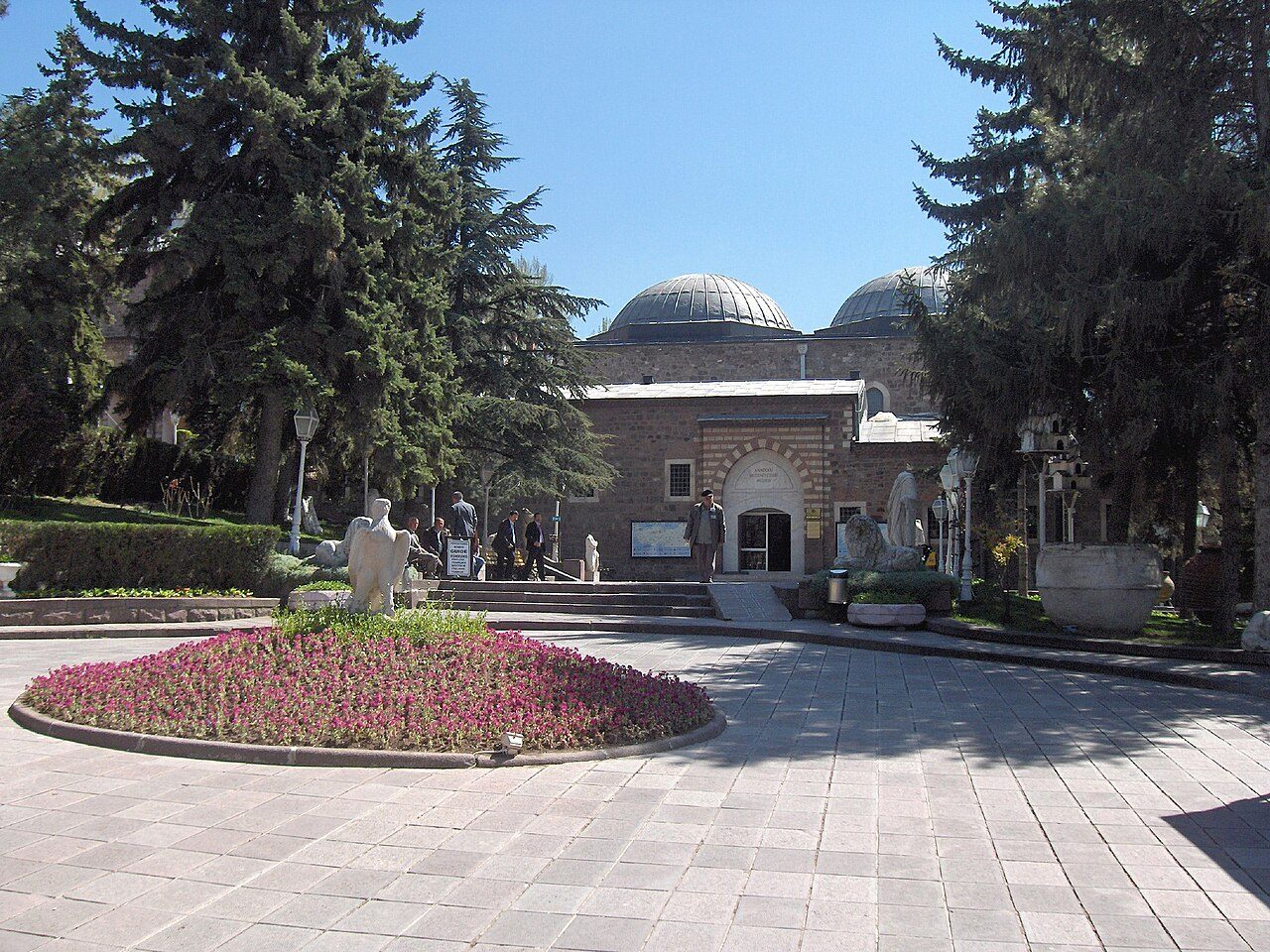
What to see in Ankara
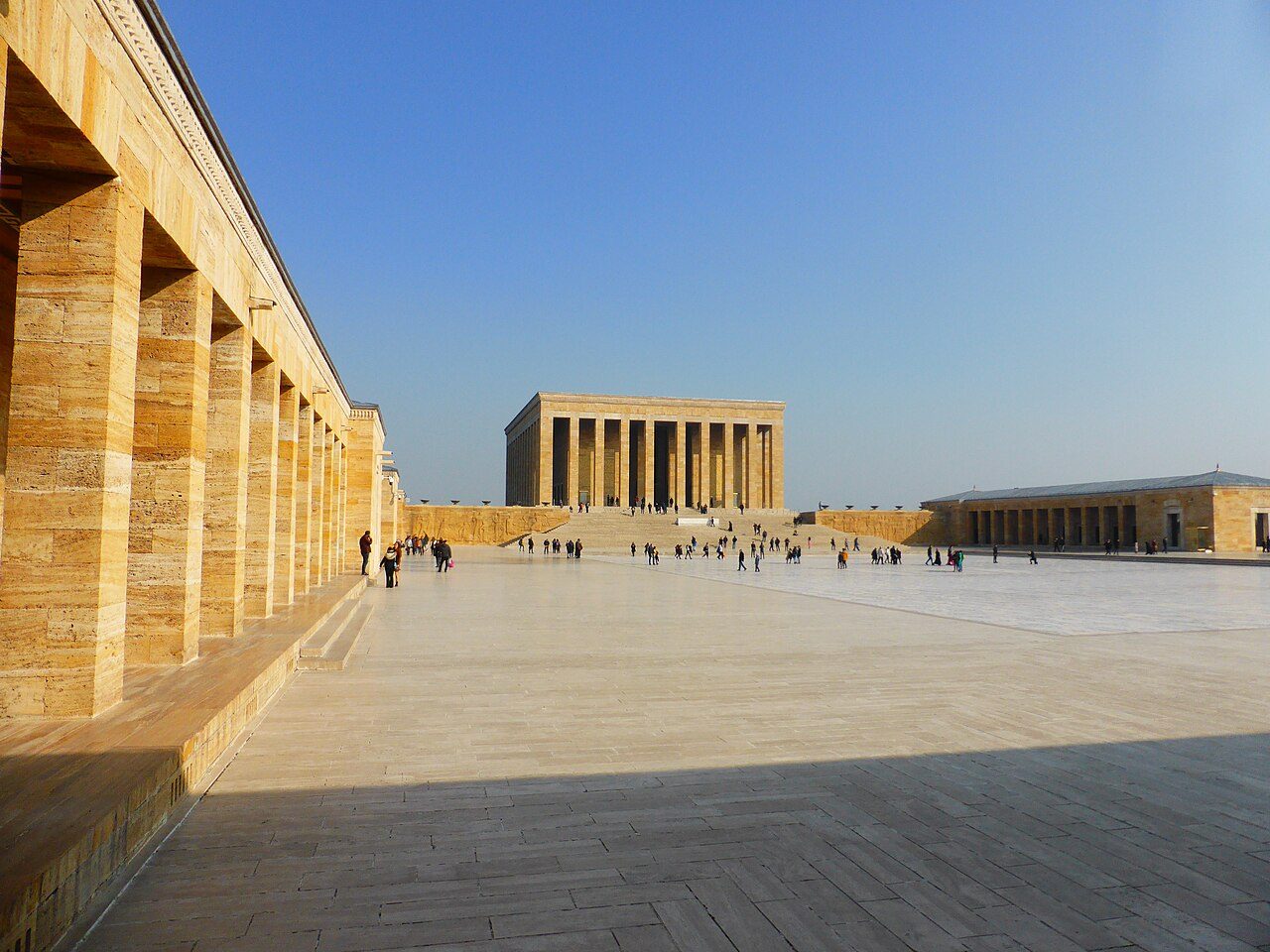
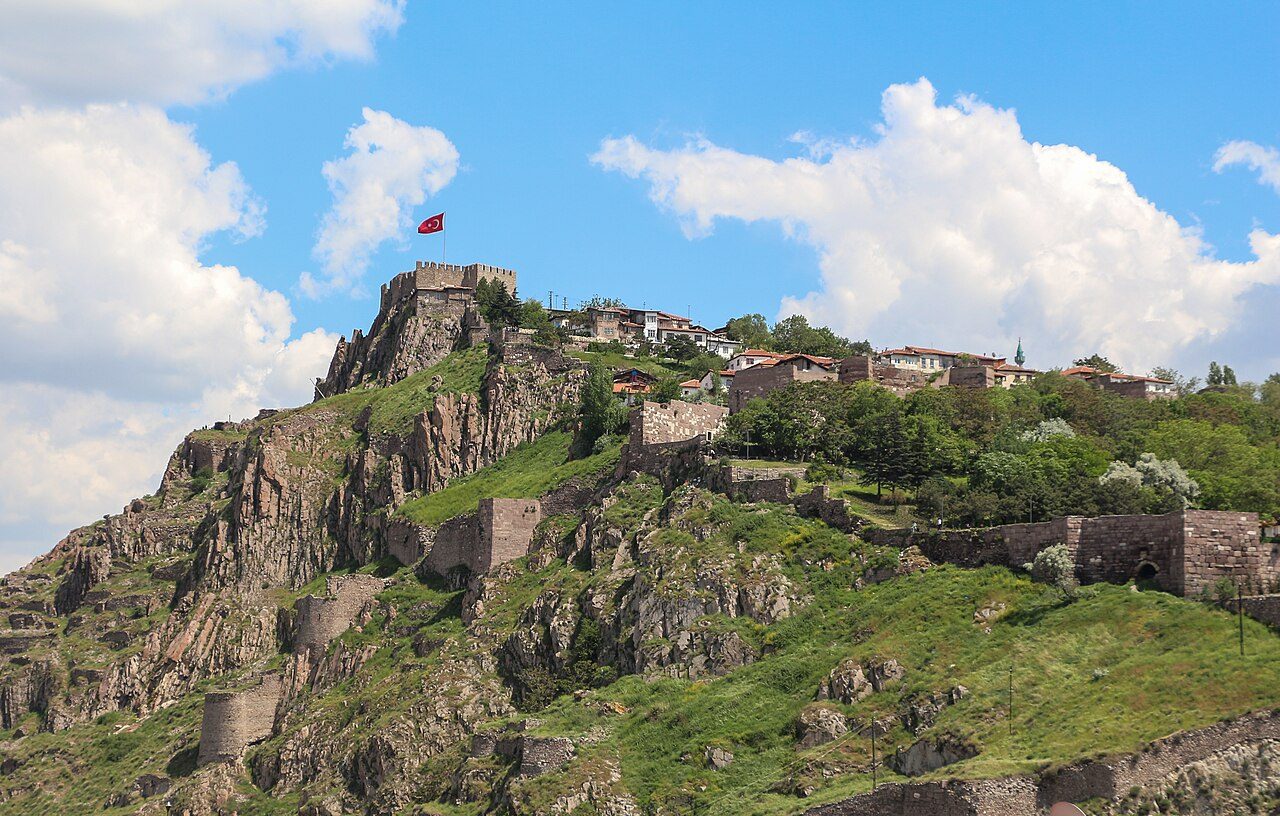
Photo credits (3)
- Georges Jansoone ( JoJan ), CC BY-SA 3.0, via Wikimedia Commons
- Kemal KOZBAEV, CC BY-SA 4.0, via Wikimedia Commons
- Bernard Gagnon, CC BY-SA 3.0, via Wikimedia Commons