
Selcuk
Tucked into the alluvial plains of the Küçük Menderes River just inland from the Aegean Sea, Selçuk rests beneath the pine-clad ridge of Mount Bülbül. Walking its compact grid of streets feels unhurried; giant white storks clatter their beaks from untidy nests atop the crumbling sixth-century Roman aqueduct, while low-rise stone houses give way to shaded tea gardens, quiet backstreets, and fragrant citrus groves. The town carries deeply layered history. Below the crenellated ramparts of Ayasuluk Fortress lies the sixth-century Basilica of Saint John, constructed by Emperor Justinian over the apostle’s burial site. A short walk downhill brings you to the 1375 Isa Bey Mosque, an asymmetrical Seljuk sanctuary built with columns salvaged from ancient pagan monuments, and the solitary surviving pillar of the Temple of Artemis. Two kilometers south, the excavated marble thoroughfares, colonnaded agoras, and preserved terrace houses of Ephesus recall the grandeur of Rome’s primary Asian seaport. Evenings center around open-air grill houses serving çöp şiş, bite-sized skewers of spiced lamb cooked over charcoal alongside blistered peppers and warm flatbread. On Saturdays, growers fill the market stalls with Aegean olives, wild herbs, and fresh figs, while January brings spectators to the regional camel wrestling championship. The town center is entirely walkable, with frequent minibuses departing for the ruins and nearby coast. Plan visits for April, May, or October to avoid the oppressive summer heat and explore the ruins in cool morning light.
Read more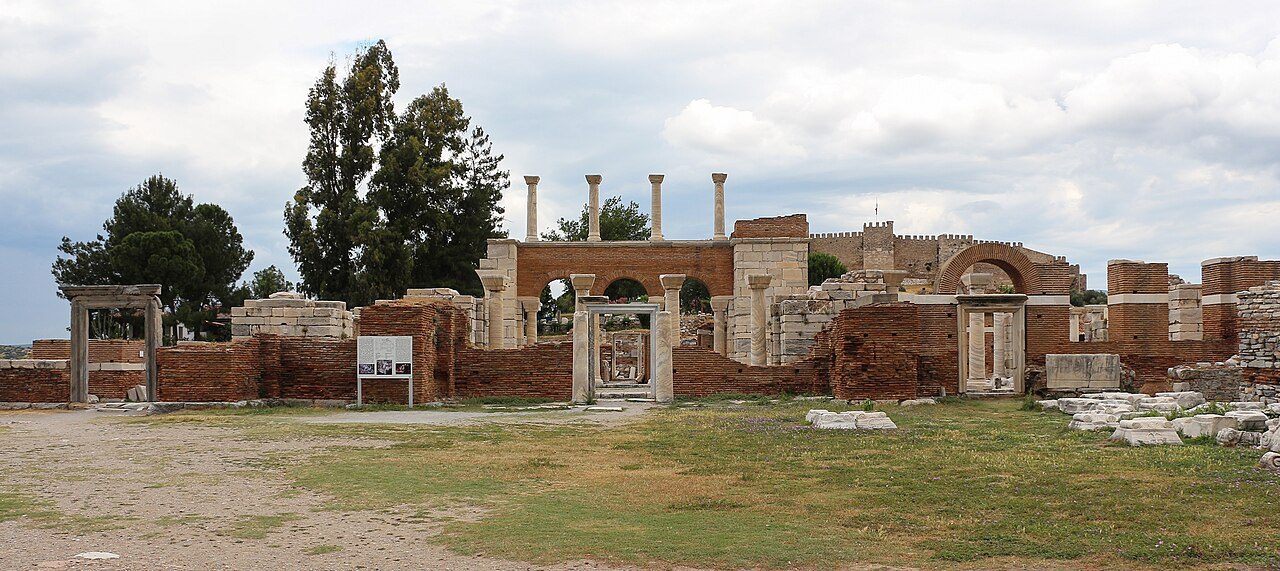
What to see in Selcuk
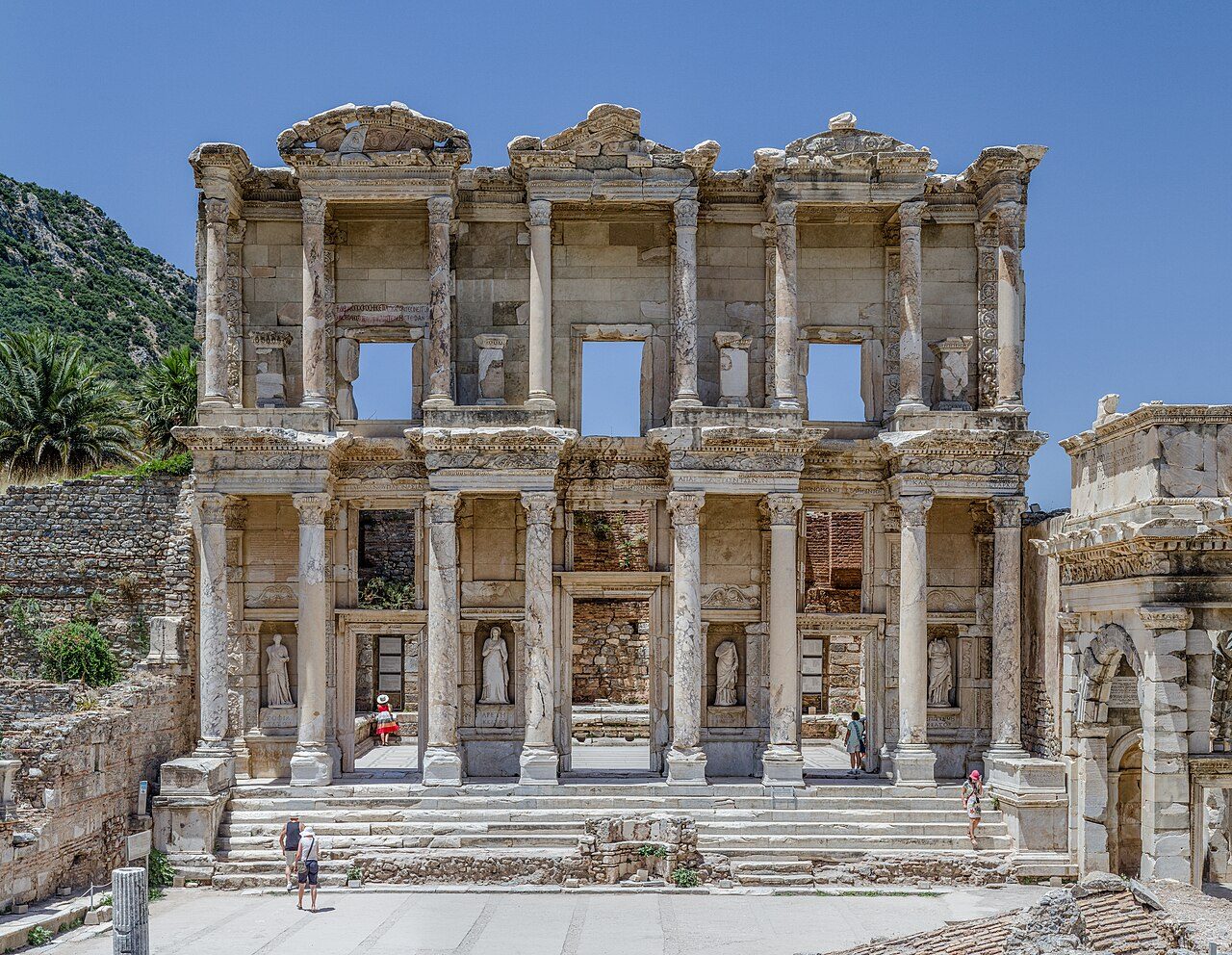
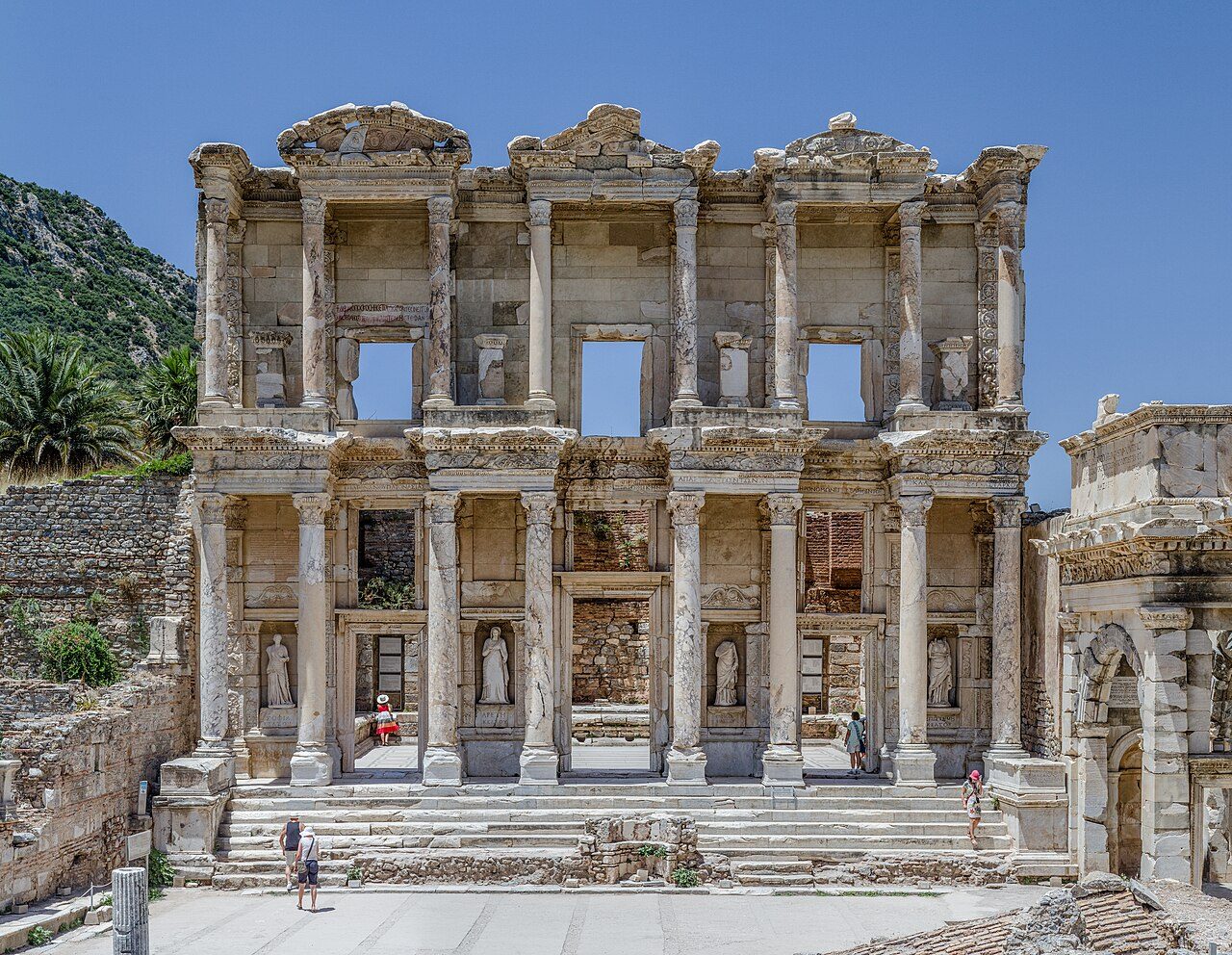
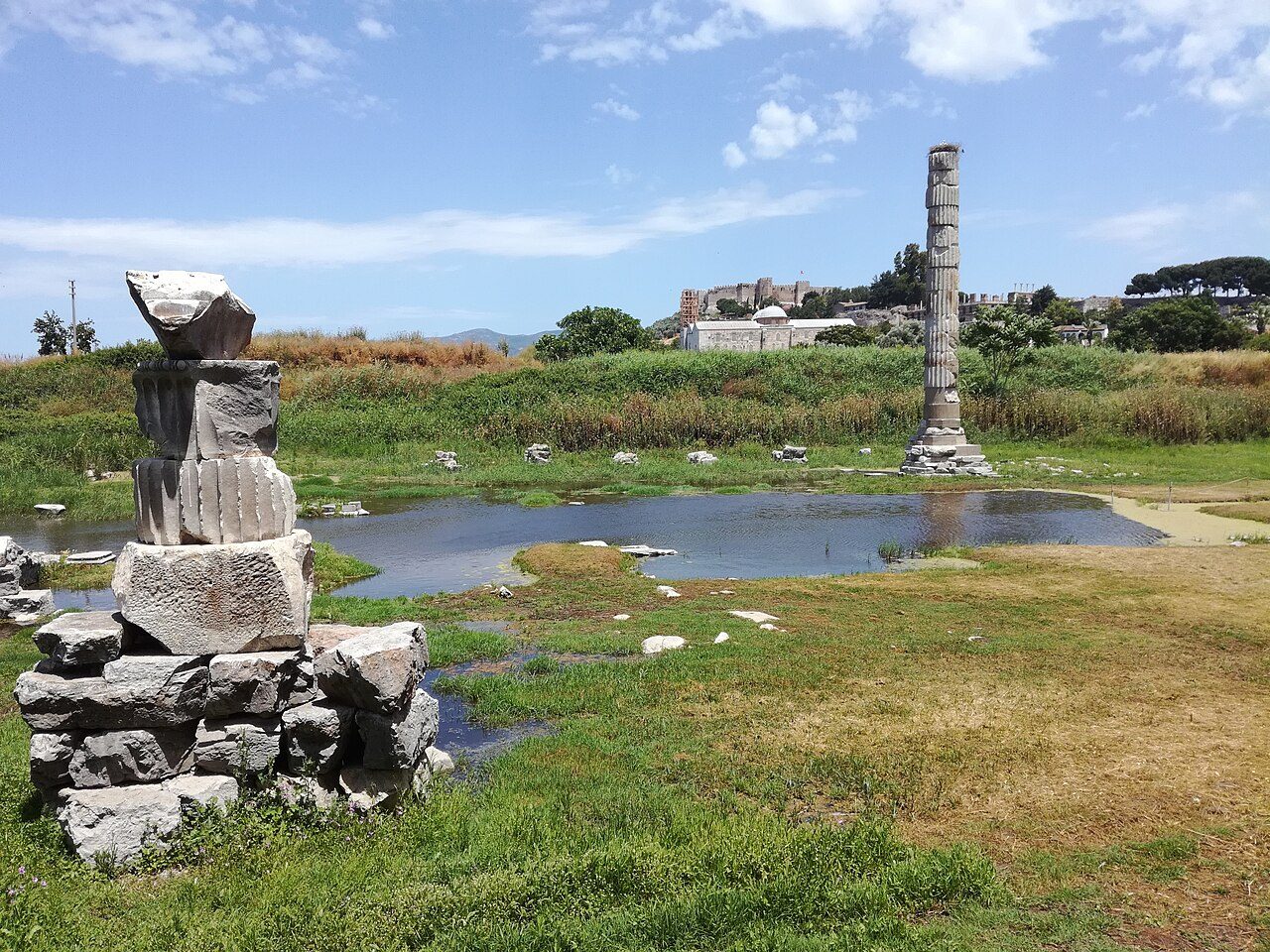
Photo credits (6)
- Bernard Gagnon, CC BY-SA 3.0, via Wikimedia Commons
- Benh LIEU SONG, CC BY-SA 3.0, via Wikimedia Commons
- Benh LIEU SONG, CC BY-SA 3.0, via Wikimedia Commons
- No machine-readable author provided. Mfryc assumed (based on copyright claims)., CC BY-SA 2.5, via Wikimedia Commons
- Arkiyolok, CC BY-SA 4.0, via Wikimedia Commons
- Ahmet Tuna Yesilyayl…, CC BY 3.0, via Wikimedia Commons