
Cappadocia
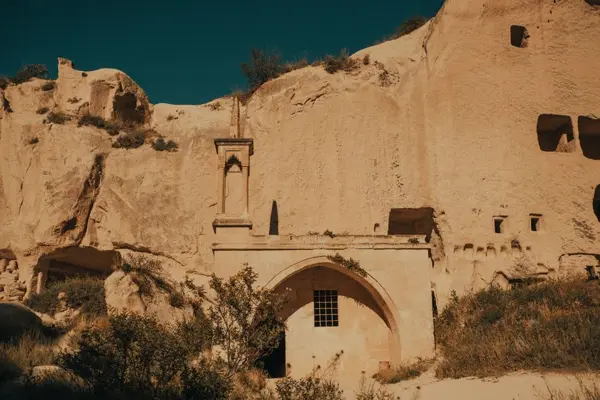
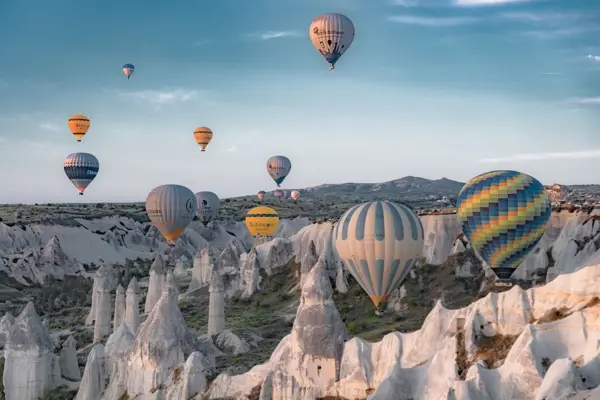
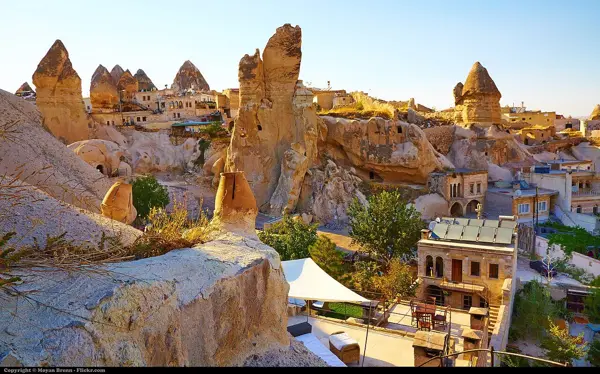
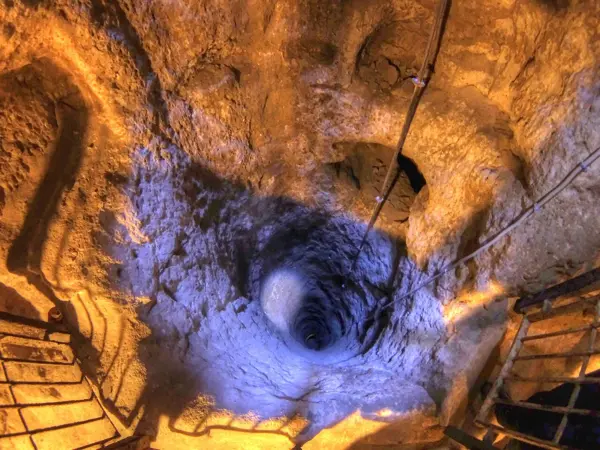
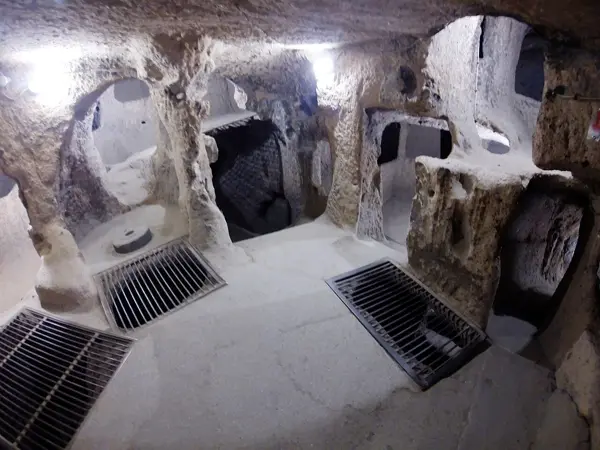
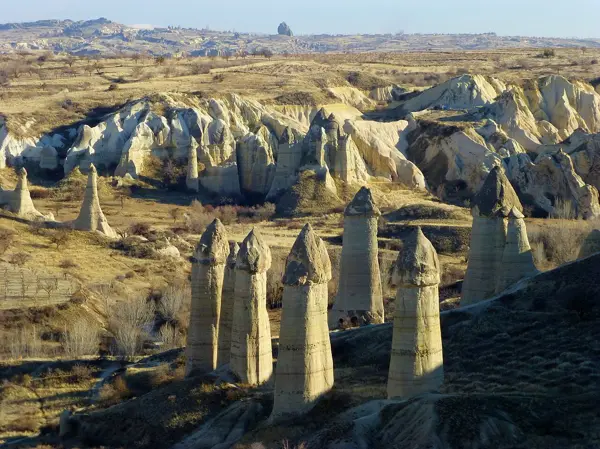
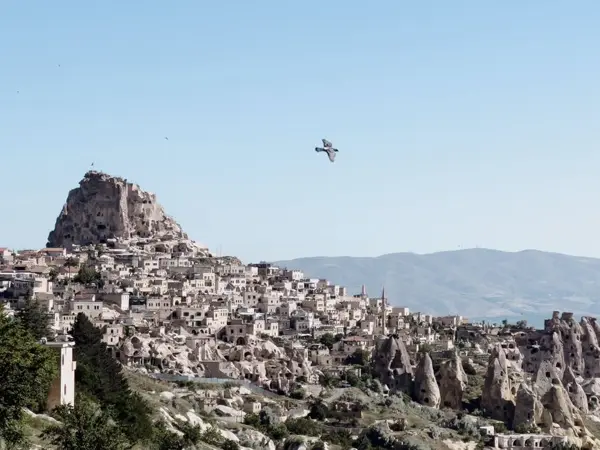
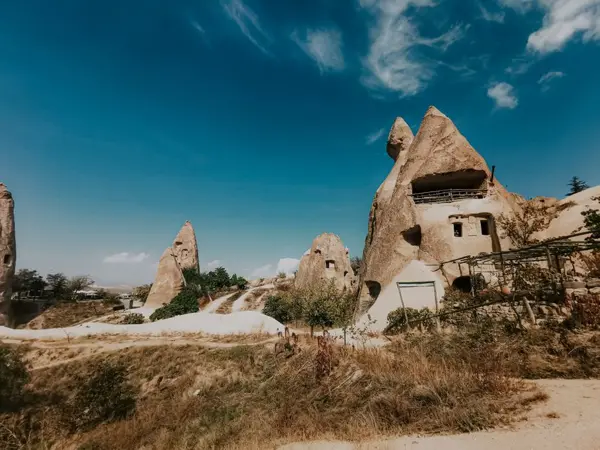
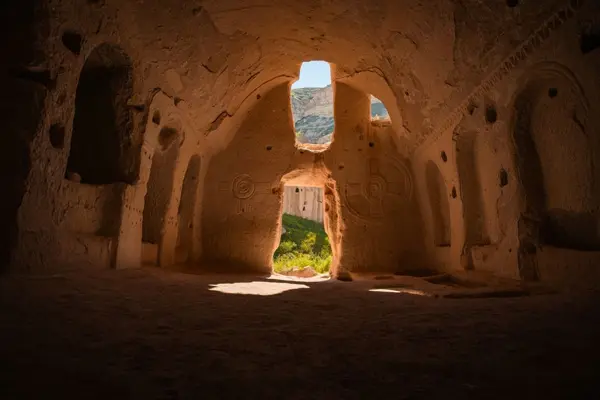
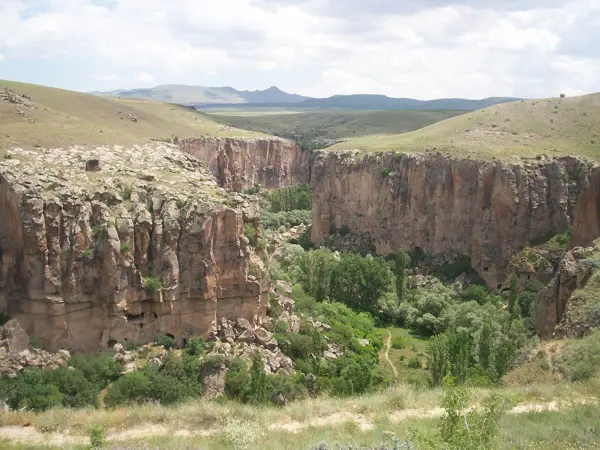
Rising from the arid plateau of Central Anatolia between Mount Erciyes and Mount Hasan, Cappadocia is an expanse of soft volcanic tuff shaped by millennia of wind, rain, and human hands. Walking through villages like Göreme and Ortahisar feels tactile and quiet, with dust-pale trails winding past pierced cliff faces, pigeon lofts carved into vertical crags, and dwellings where chimney flues vent directly through solid stone. Human habitation here took dramatic shape in the fourth century, when early Christians fled Roman persecution and began hollowing monastic communities into the stone. At the Göreme Open-Air Museum, Byzantine wall paintings from the tenth and eleventh centuries still retain their rich mineral pigments inside dim rock-cut sanctuaries. Above the settlements, the natural fortress of Uçhisar Castle provides an orientation over Pigeon Valley, while forty meters underground, the subterranean city of Derinkuyu descends eight distinct levels, engineered with rolling stone doors and ventilation shafts to shelter entire communities during Arab-Byzantine wars. Daily life remains tied to the earth. In town taverns, cooks break open sealed clay jars of testi kebab, slow-roasted with lamb and tomatoes, and pour crisp whites pressed from local Emir grapes. In nearby Avanos, red silt gathered from the Kızılırmak river supplies family potteries where artisans still turn kick-wheels using methods inherited from the Hittites. Plan a trip for May or October to skip both the midsummer heat and the winter snows. While local minibuses shuttle between the larger villages, walking the valley paths in the early morning light remains the best way to move between the sights.
Read more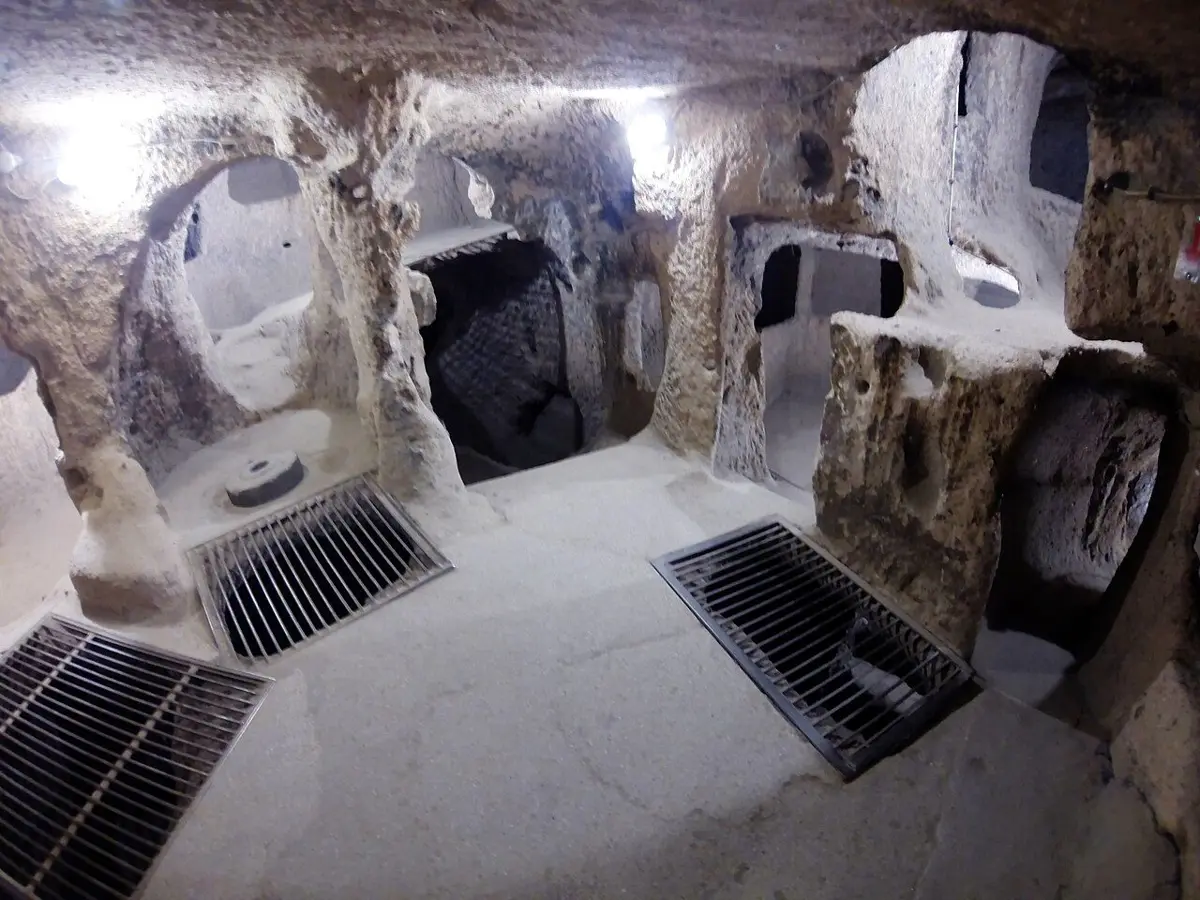
What to see in Cappadocia
Travel guides for Cappadocia
Photo credits (5)
- Nevit Dilmen ( talk ), CC BY-SA 3.0, via Wikimedia Commons
- Moyan Brenn from Italy, CC BY 2.0, via Wikimedia Commons
- Nevit Dilmen ( talk ), CC BY-SA 3.0, via Wikimedia Commons
- Nevit Dilmen ( talk ), CC BY-SA 3.0, via Wikimedia Commons
- The original uploader was Morphosis at Turkish Wikipedia ., Public domain, via Wikimedia Commons