
 New added
Uchisar Castle
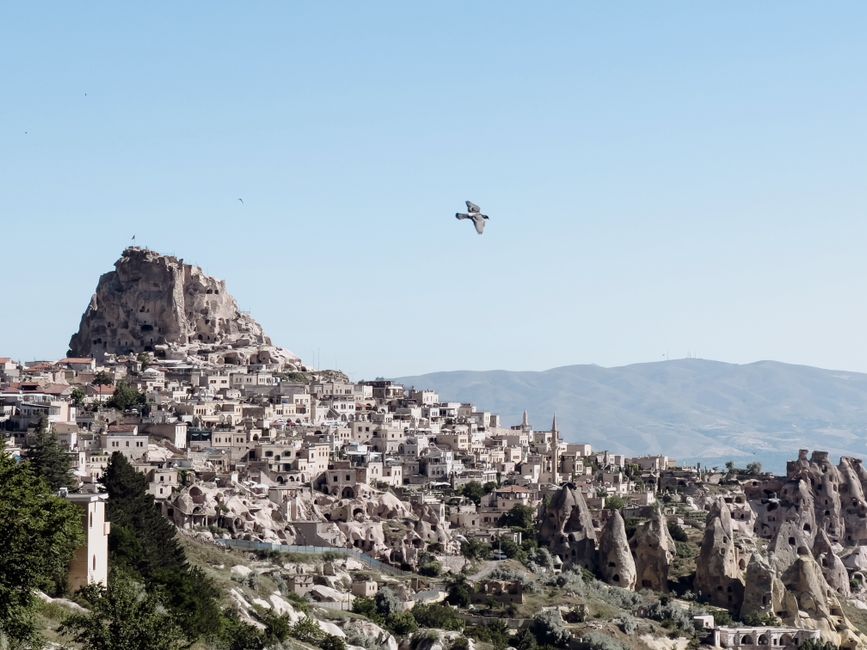
Thrusting sixty meters skyward from the arid Cappadocian plateau, this colossal natural citadel of compacted volcanic tuff served for centuries as a regional defensive linchpin. Hollowed out during the Bronze Age and heavily fortified by Byzantine engineers in the seventh century to repel Arab incursions, the outcrop later anchored the Seljuk Sultanate of Rum’s frontier network alongside its sister redoubt, Ortahisar. Rather than masonry raised from the ground up, the fortress represents an architecture of subtraction: an intricate honeycomb of interconnected chambers, vaulted granaries, and defensive subterranean corridors chiseled directly into pale-ochre ignimbrite. Multitiered pigeon lofts, their tiny roosts carved into sheer vertical cliffs, still pockmark the weathered facade—relics of an ancient agricultural economy sustained by collected guano. Ascending the modern exterior staircase along the castle's fractured flank, visitors brush past crumbling chalky hollows where subterranean rooms now yawn open to the open sky. At the wind-scoured summit, where simple Byzantine trough graves lie cut into the bare rock, the entire volcanic geography of Central Anatolia reveals itself in a dramatic 360-degree sweep. To the southeast, the glaciated peak of Mount Erciyes—the primordial volcano responsible for depositing the plateau's ash millions of years ago—anchors the horizon. Standing at Cappadocia’s highest elevation, travelers feel the persistent Anatolian gale while gazing across the undulating white ripples of Pigeon Valley and the labyrinthine fairy chimneys of Göreme, their rippling stone waves turning a deep, fiery copper as the evening sun descends.
More in Cappadocia
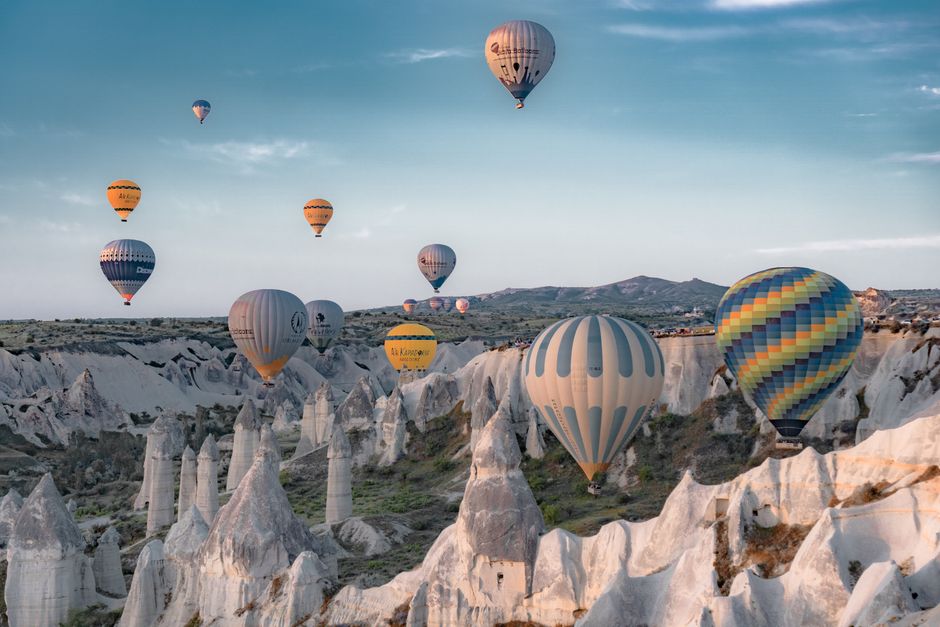
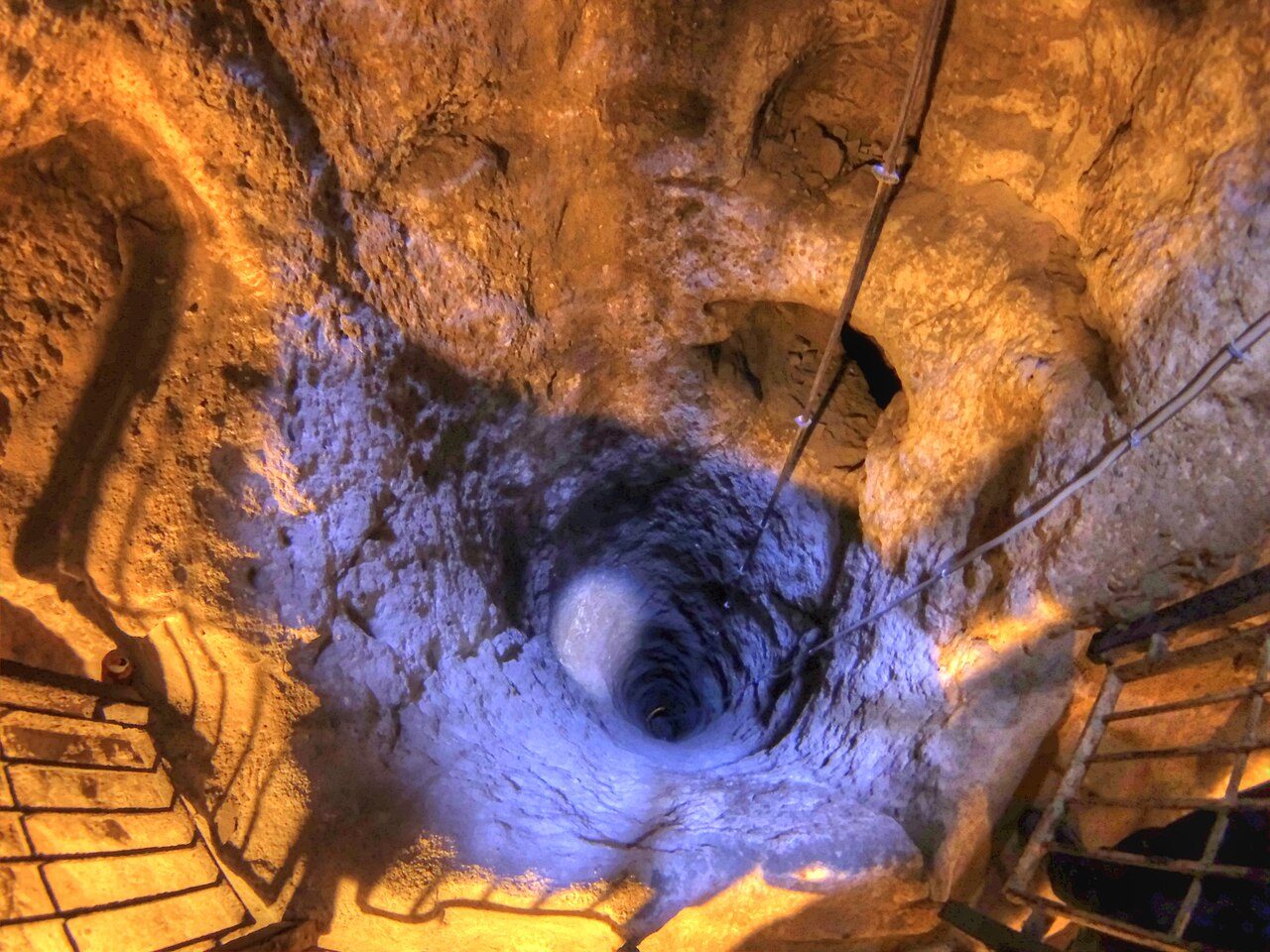
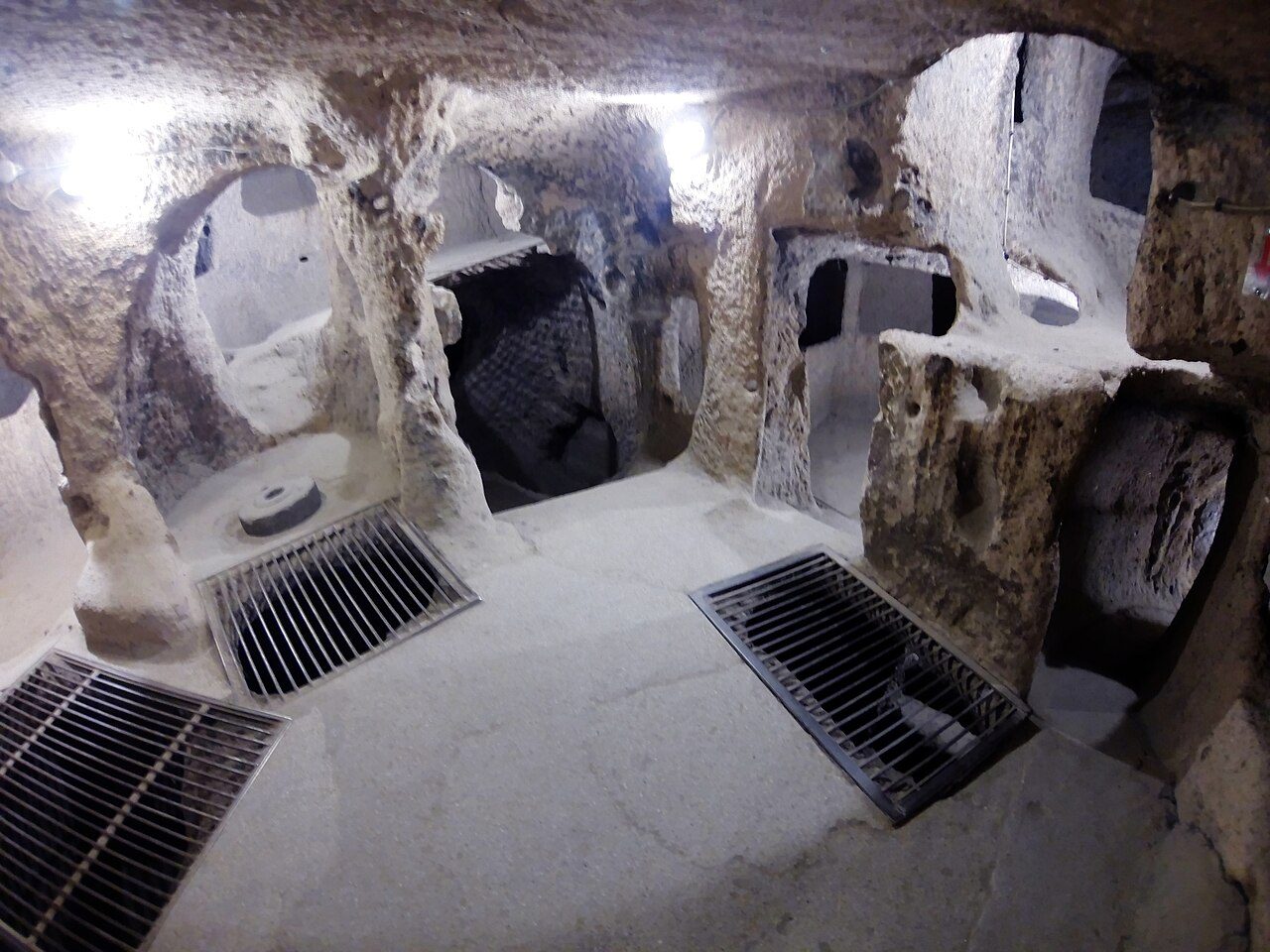
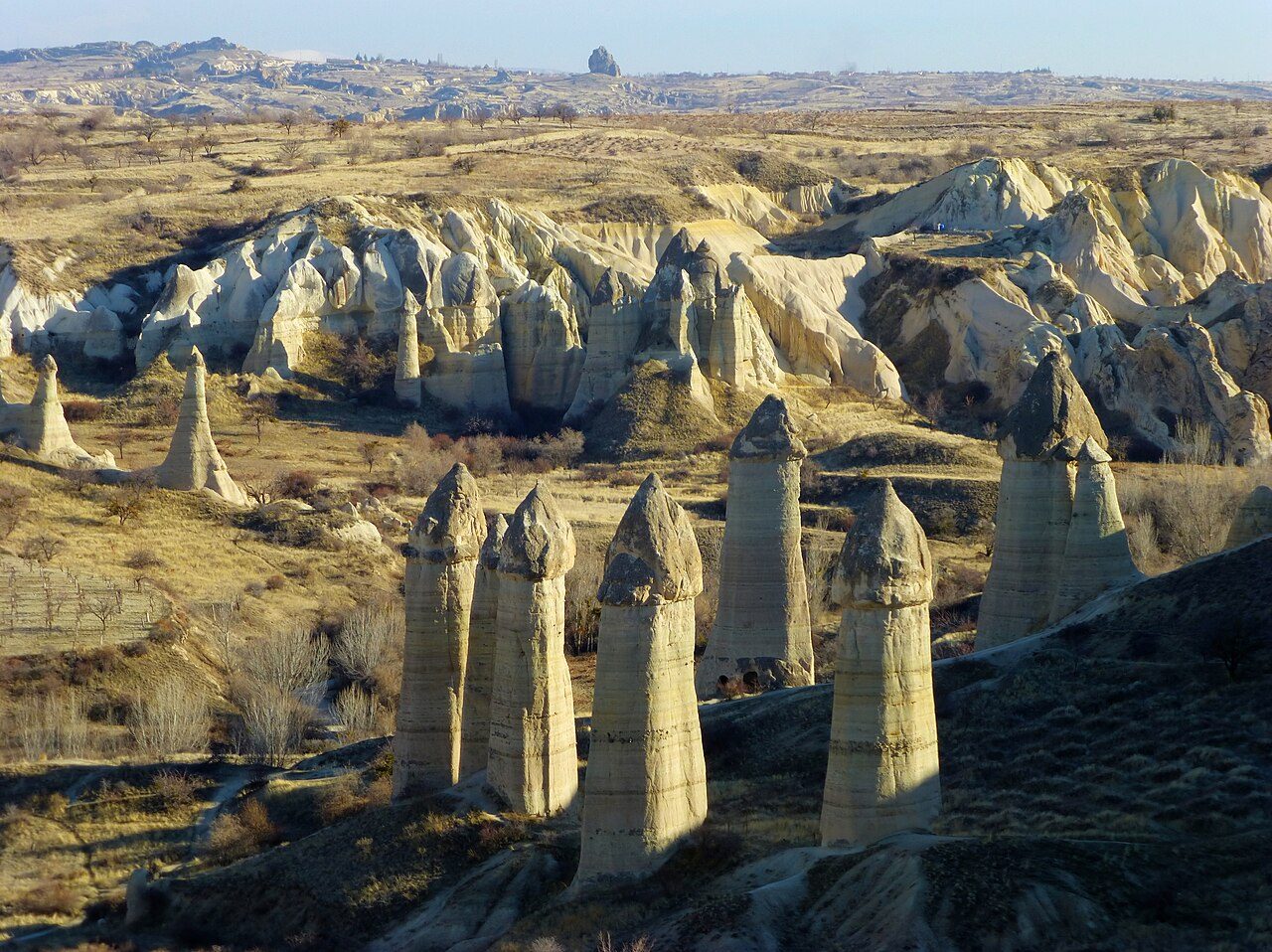
Photo credits (4)
- Moyan Brenn from Italy, CC BY 2.0, via Wikimedia Commons
- Nevit Dilmen ( talk ), CC BY-SA 3.0, via Wikimedia Commons
- Nevit Dilmen ( talk ), CC BY-SA 3.0, via Wikimedia Commons
- Nevit Dilmen ( talk ), CC BY-SA 3.0, via Wikimedia Commons