Discover how many days to spend in Azerbaijan and where to travel, from the Caspian waterfront of Baku to the Caucasus mountain heritage of Shaki. This practical planning guide outlines 5, 7, and 10-day routes with realistic logistics.
A classic journey through Azerbaijan requires between 7 and 10 days, allowing enough time to explore the historic core of Baku, the Absheron Peninsula, and the mountain foothills around Shaki. Travelers with 4 to 5 days should focus entirely on the capital and nearby day excursions to Gobustan and Absheron. With 12 to 14 days, you can easily add the northern ridges around Quba or the fertile valleys of Ganja.
How Many Days Do You Need in Azerbaijan?
Deciding your trip length depends on whether you plan to stay along the Caspian coast or head into the Greater Caucasus mountains.
- 4 to 5 Days (Baku and Absheron): Best for a quick city break. You can walk through medieval alleys, admire contemporary skyline developments, and make half-day trips to mud volcanoes, rock engravings, and fire sanctuaries.
- 7 to 8 Days (The Classic Route): The standard duration for first-time visitors. This timeframe connects Baku with the inland towns of Shamakhi, Ismayilli, and Shaki, delivering a balance of urban architecture, crafts, and mountain scenery.
- 10 to 14 Days (Grand Country Tour): Ideal for deep exploration. You can cover the classic central route, head north toward Quba to see unique geological formations, and detour west to Ganja.
Where to Go: Key Regions and Sights
Azerbaijan shifts rapidly from sea level to alpine altitudes within a few hours of road travel. These are the main regions to include on your route map.
Baku and the Absheron Peninsula
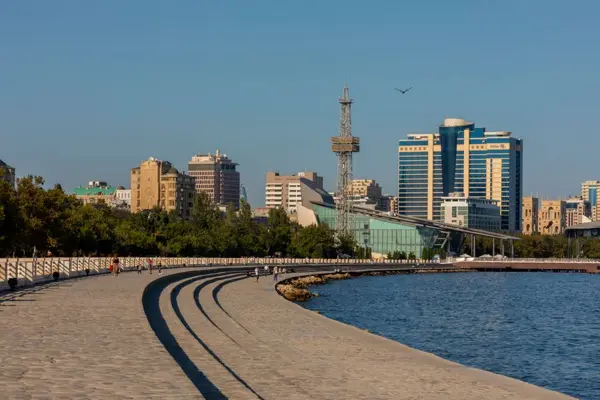
The national capital anchors the Absheron Peninsula on the Caspian Sea. The fortified inner city, Icherisheher, preserves honey-hued limestone lanes, Shirvanshah dynasty architecture, and stone minarets. Rising above the old core are the three glass-clad Flame Towers, which reflect the city's modern oil wealth. Down at water level, Baku Boulevard National Coast Park provides miles of open promenade reclaimed from early industrial docks, while the fluid curves of the Heydar Aliyev Museum and Congress Center dominate the northern skyline.
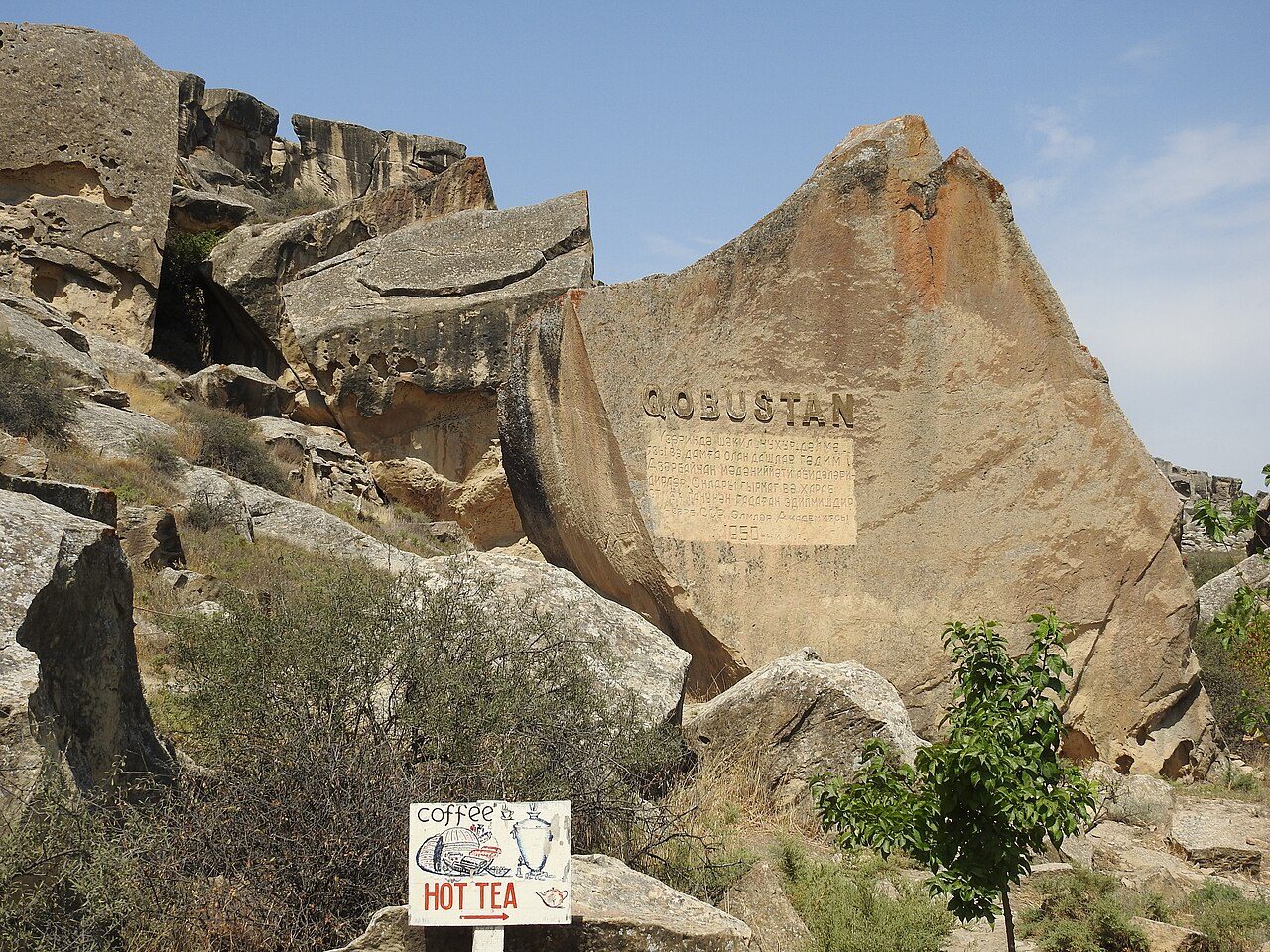
Just outside the capital, you encounter the cultural remnants of natural gas seeps at the Ateshgah Fire Temple, an eighteenth-century complex built by traveling merchants. South of the city lies Gobustan National Park, where thousands of prehistoric petroglyphs cover sun-bleached limestone boulders near bubbling mud volcanoes. At the easternmost tip of the peninsula, Absheron National Park protects wild coastal landscapes.
The Greater Caucasus Route: Shamakhi, Ismayilli, and Shaki
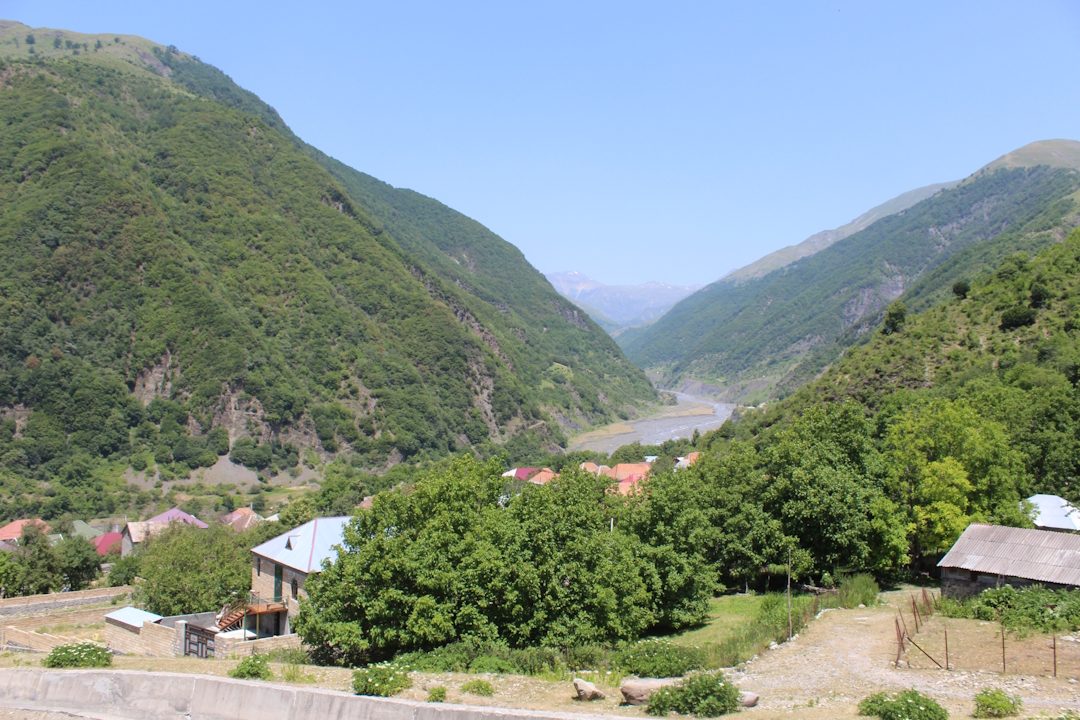
Traveling west from Baku leads past dry steppe into lush green mountain foothills. In Shamakhi, the ancient Juma Mosque stands as one of the oldest Islamic sites in the South Caucasus. Climbing higher into the ridges takes you to the Astrophysical Observatory near Pirgulu.
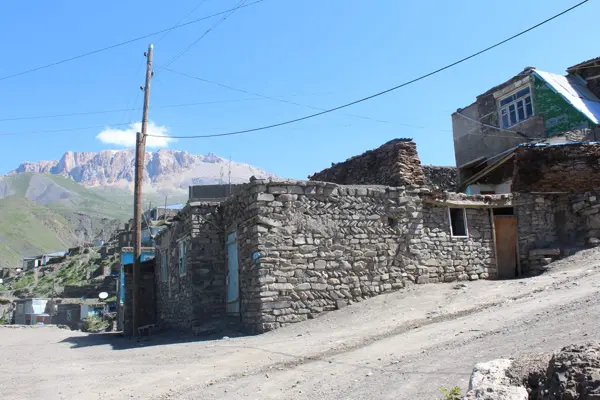
Further along the mountain highway, the Ismayilli district features distinctive settlements like Basgal Village, renowned for silk production and traditional kelaghayi headscarves, and Ivanovka Village, a heritage farming community. Continuing northwest brings you to Shaki, an essential Silk Road waypoint. Here, the fortified eighteenth-century Caravanserai highlights the town's merchant legacy. Nearby, travelers can hike toward Gelersen-Gorersen Fortress or visit the quiet mountain settlement of Ilisu Village Gakh.
Northern Redoubts: Quba
Directly north of Baku, the route toward Quba skirts the Caspian Sea before climbing into forested ridges. Along the highway, the jagged profile of Besh Barmag Mountain Zarat rises abruptly from the coastal plain, followed by the striped geological ridges of the Candy Cane Mountains Khizi. In Quba itself, sites like the subterranean Chukhur Hamam and the tranquil waters of Chenlibel Lake showcase regional history and highland recreation.
Western Valleys: Ganja
In western Azerbaijan, the historic city of Ganja anchors the valley between the plains and the Lesser Caucasus. Sights like the brick Javad Khan Mausoleum and the ornate, blue-tiled domes of the Imamzade Complex reflect centuries of Islamic architecture and resistance against regional empires.
Recommended 7-Day Azerbaijan Itinerary
A 7-day loop is the most practical choice for seeing historic towns and mountain backdrops without rushing your days.
- Day 1: Arrival in Baku. Land in the capital and settle in. Arrange an airport transfer to reach the city center smoothly. Spend the evening strolling through the illuminated alleys of Icherisheher.
- Day 2: Baku Modern and Medieval. Tour the Shirvanshah Palace area within the old city walls before heading to the Heydar Aliyev Center. End your afternoon along the Baku Boulevard promenade.
- Day 3: Absheron and Gobustan Excursions. Take a day excursion south to Gobustan National Park to view ancient stone carvings and active mud volcanoes. Head east in the afternoon toward Ateshgah Fire Temple.
- Day 4: Baku to Shamakhi and Ismayilli. Travel inland through the changing landscape. Stop at the ancient Juma Mosque in Shamakhi, explore the silk-weaving workshops of Basgal Village, and overnight in the Ismayilli region.
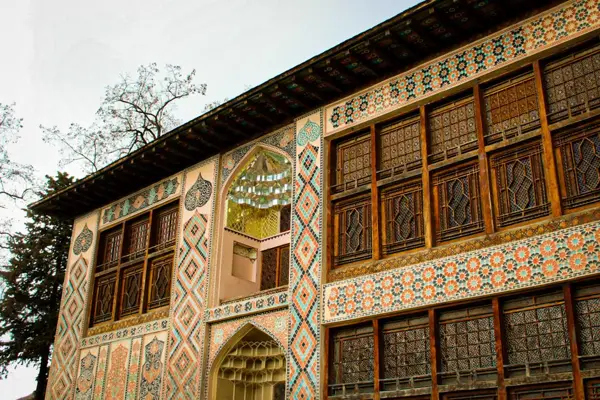
- Day 5: Shaki Silk Heritage. Drive on to Shaki. Spend the day admiring the stained glass shebeke craftsmanship of the local palaces and exploring the merchant courtyards of the historic Caravanserai.
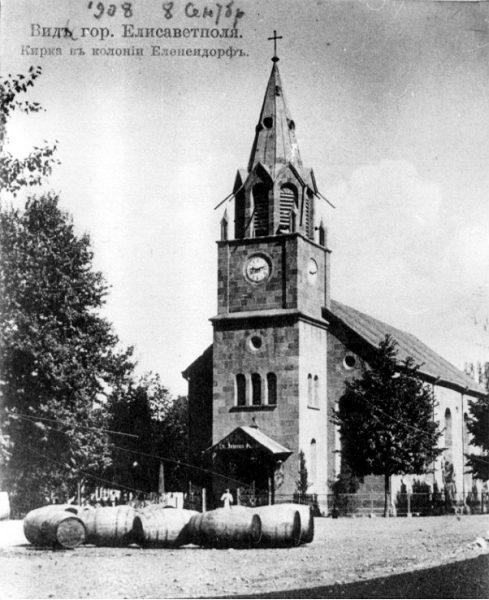
- Day 6: Shaki Surrounds and Kish. Visit the ancient stone church in the nearby village of Kish, walk through local sweet shops selling traditional walnut halva, and take in mountain views.
- Day 7: Return to Baku. Drive back to Baku across the central plains for your departure flight or final evening meal.
Recommended 10-Day Extended Itinerary
If you have 10 full days, expand the classic route to include both northern geological monuments and western heritage.
- Days 1–3: Follow the standard Baku and Absheron schedule, taking time for museum visits and coastal walks.
- Day 4: Day Trip to Quba. Head north past Besh Barmag Mountain and stop at the Candy Cane Mountains in Khizi. Explore Quba's historical baths and relax around Chenlibel Lake before returning south or staying overnight.
- Days 5–7: Follow the mountain corridor through Shamakhi, Basgal Village, and on to Shaki. Spend two nights taking in regional mountain culture and Silk Road architecture.
- Day 8: Ganja Heritage. Drive southwest into the Ganja plain. Explore the blue tiles of the Imamzade Complex and the tomb of Javad Khan.
- Days 9–10: Return east toward Baku for your final Caspian seafood dinner and departure.
Getting Around: Drivers and Transfers
Navigating between regional towns requires reliable transport. While trains connect major cities like Baku and Ganja, reaching mountain settlements such as Basgal, Ilisu, or high-altitude viewpoints is far simpler by road.
Hiring a private driver on Tour & Car provides flexibility without the stress of navigating local roads. A full day with a car and driver costs $90-$100, while hourly driver hires are available from $15. For immediate transport upon landing, you can pre-book a direct airport transfer from the airport to central Baku for $25 per car (accommodating up to 4 passengers).
Travel Costs and Accommodation
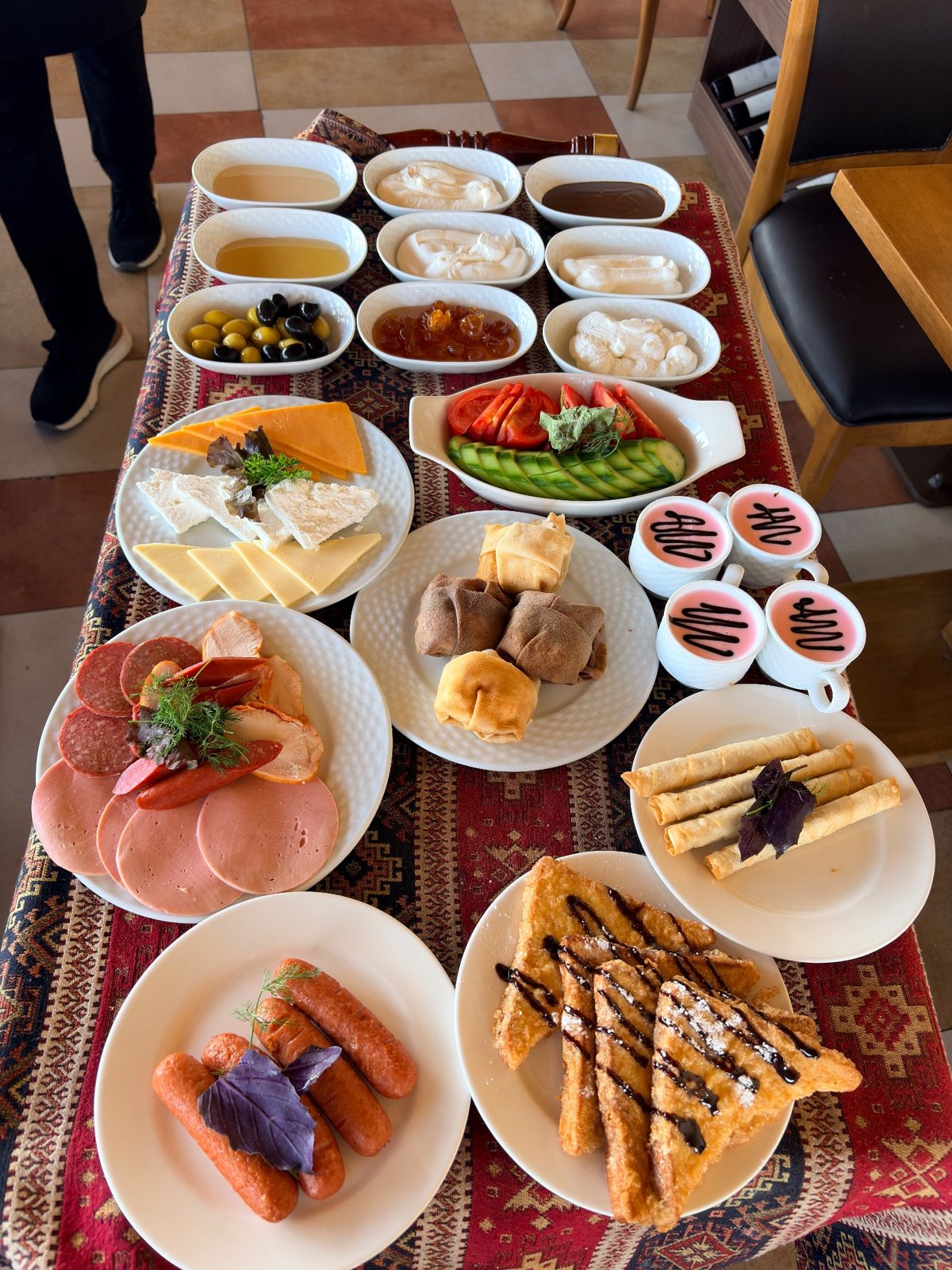
Traveling across Azerbaijan offers manageable costs compared to Western European destinations. On Tour & Car, travelers can find curated local stays from $35 per night. Dining is similarly affordable, with hearty lunches of lamb plov, seasonal stews, and herb-filled qutabs served across roadside cafes and city taverns.
Practical Travel Tips for 2026
- Best Seasons: May to June and September to October offer mild temperatures suitable for both city walking in Baku and mountain exploration.
- Currency: Cash remains essential once you travel outside major supermarkets and hotels in Baku. Carry Azerbaijani Manat for village tea houses, local markets, and rural handicraft purchases.
- Footwear: Bring sturdy walking shoes. Cobbled streets in Shaki and the rocky plateaus of Gobustan require good foot support.