
Ganja
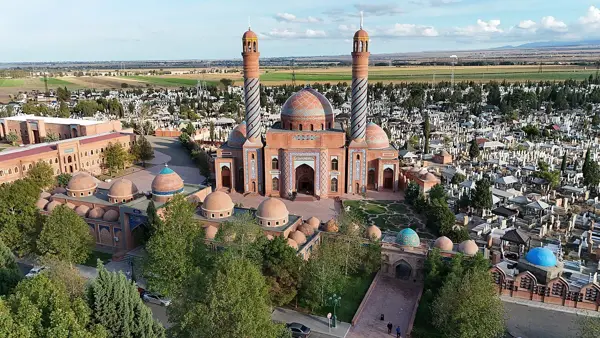
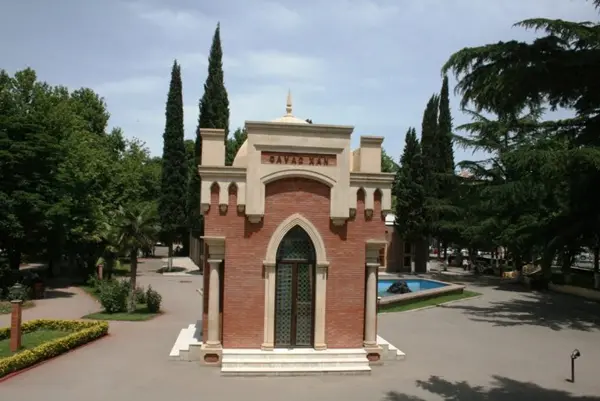
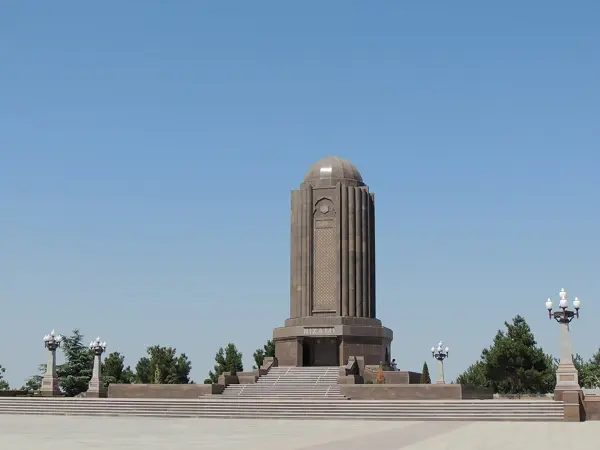
Sprawled along the banks of the Ganjachay River beneath the foothills of the Lesser Caucasus, Ganja carries an easy, shaded rhythm. Wide avenues shaded by centenarian plane trees give way to quiet alleys lined with 19th-century red-brick townhouses, reflecting the city’s blend of Persian heritage and tsarist Russian planning. Walking here feels unhurried; the scent of woodsmoke drifts past residential courtyards where neighbours gather for backgammon. Established in the early Middle Ages and fortified under the Shaddadid dynasty in the 9th century, Ganja wears its civic history openly. At its heart stands the Juma Mosque, commissioned by Safavid ruler Shah Abbas in 1606 and crafted from red brick and egg-white mortar. Nearby, the tomb of Javad Khan honours the city’s last independent ruler, while on the eastern outskirts, a monumental stone shrine marks the resting place of 12th-century romantic poet Nizami Ganjavi. In a nearby residential lane stands the quirky Bottle House, built by Ibrahim Jafarov in 1966 using nearly 50,000 glass bottles. At the central bazaar, counters overflow with dried sumac, mountain herbs, and local pomegranates. Food culture centres on Ganja pakhlava, distinct from the Baku variant due to its dense walnut filling and amber saffron glaze, typically served alongside thyme-infused black tea in open-air chaikhanas. Autumn is the best season to explore, offering crisp weather and harvest produce. The compact centre is easily navigated on foot, though hailable minibuses and local taxis provide direct connections to the outlying shrines.
Read more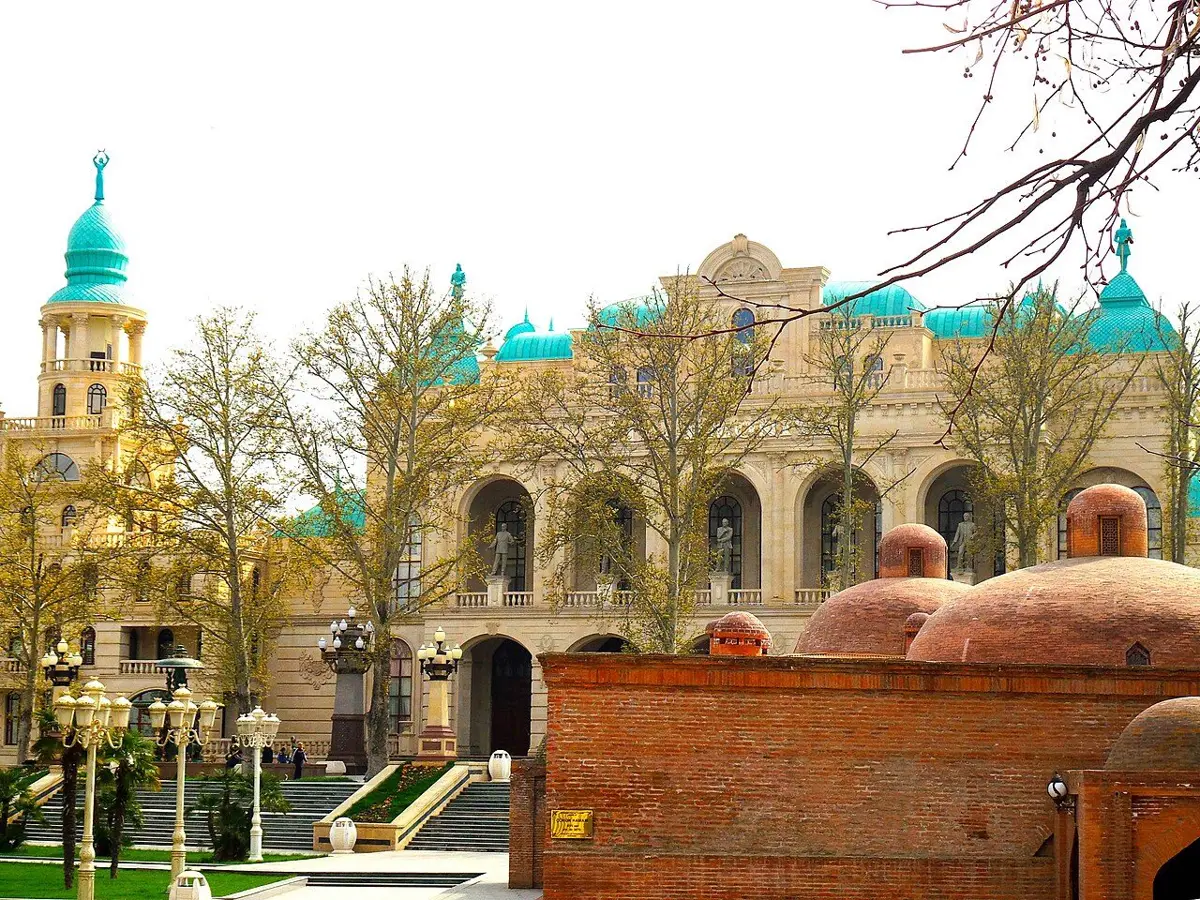
What to see in Ganja
Guides & drivers nearby
Travel guides for Ganja
Photo credits (4)
- Ilkin M-zade, CC BY-SA 4.0, via Wikimedia Commons
- En Merker, CC0, via Wikimedia Commons
- Wertuose, CC BY-SA 3.0, via Wikimedia Commons
- Akifa92, CC BY-SA 4.0, via Wikimedia Commons